Pharmaceutical shares are regaining traction heading into 2027, but the rebound is being driven less by broad market sentiment than by a narrowing set of risks: U.S. tariffs on imported drugs, looming patent expirations and the next round of drug-pricing pressure. Investors are positioning for a sector that still has growth, but one that may look materially different by the end of the decade.
Pharmaceutical ETF Rallies on Tariff and Patent Risks

The clearest signal comes from the market itself. The SPDR S&P Pharmaceuticals ETF, XPH, has climbed to $65.36 from $55.52 in early February, while the iShares Biotechnology ETF, IBB, has jumped to $207.98 from $169.88 over the same span. The more speculative biotech gauge, XBI, has rallied to $145.88 from $120.60, though it remains well below its summer peak. The moves suggest investors are not abandoning the sector, but are selectively rotating into names and sub-industries seen as better insulated from policy shocks.
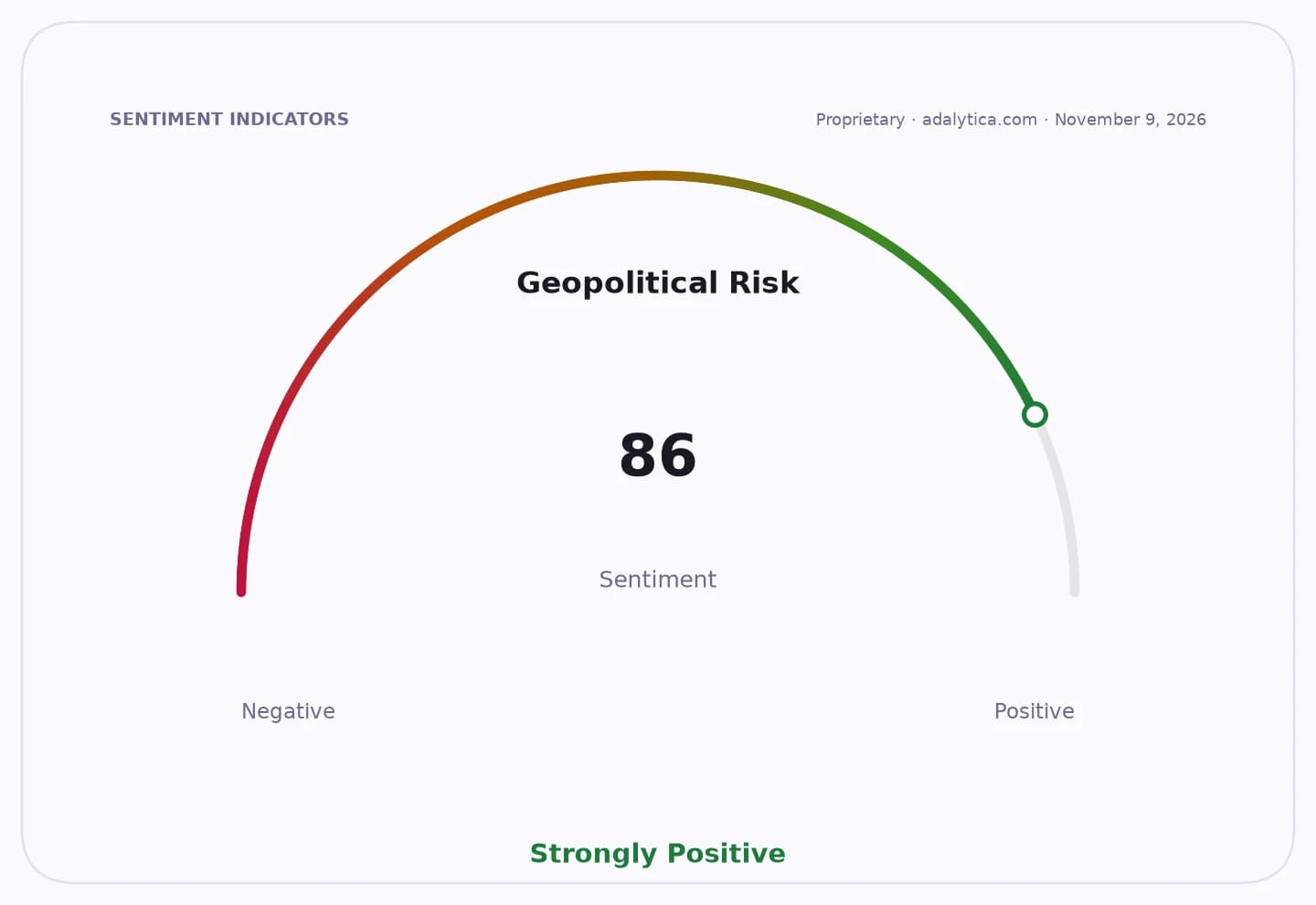
Sentiment Indicators
That optimism is running into real economic headwinds. Pfizer has warned in its latest 10-Q that the U.S. government’s Section 232 tariffs on imported patented pharmaceuticals and ingredients could reach 100%, a direct threat to supply chains that still depend heavily on overseas manufacturing. At the same time, the company says it expects a significant revenue decline from patent and regulatory exclusivity expirations between 2026 and 2030, underscoring how much earnings power is being squeezed by the patent cliff.
The issue matters well beyond one company. Tariffs raise input costs, complicate sourcing and force drugmakers to decide whether to absorb margins, pass through higher prices or shift production onshore. That makes 2027 a potential inflection point for capital spending, manufacturing footprints and free cash flow across large-cap pharma. Names with deeper U.S. production, stronger pipeline momentum or less near-term patent exposure are likely to be rewarded.
The sector’s recent price action shows investors are willing to pay for that resilience, but not indiscriminately. XPH is trading just above its 50-day moving average, while IBB remains above both its 50-day and 200-day moving averages, though momentum has cooled from earlier highs. XBI has slipped back below its 50-day line, a sign that smaller biotech remains more vulnerable to risk-off swings and financing pressure.
Broader market conditions are also offering support. Adalytica’s S&P 500 trade signals show extreme greed, which tends to keep money flowing into defensives and cash-generative health-care names even as the market chases risk elsewhere. But the same data show global stability sentiment in extreme fear, a backdrop that could keep supply-chain and trade-policy concerns front and center for drugmakers into next year.
For investors, the key question into 2027 is whether pharma becomes a margin-protection story or a growth story. If tariffs broaden, pricing rules tighten and pipeline launches fail to fill the gap left by patents, earnings estimates could reset lower. If companies can localize production and offset expirations with new launches, the sector’s recent rebound may have room to run.
| Entity | Gains | Losses |
|---|---|---|
| Large-cap drugmakers with U.S. manufacturing | ▲Lower tariff exposure | ▼Import-dependent peers |
| Pipeline-rich pharma names | ▲Revenue replacement potential | ▼Patent-cliff companies |
| XPH / IBB holders | ▲Relative defensiveness | ▼High-cost, low-growth pharma |
| XBI speculative biotech | ▲Momentum from sector rotation | ▼Financing-sensitive small caps |