Christmas decorations are arriving in Petrópolis stores in September because retailers are trying to turn the holiday season into a longer sales campaign, not a last-minute rush.
Petrópolis stores start Christmas sales in September

That shift matters because the last quarter has become the most valuable stretch of the year for merchants, and the race to capture spending now begins well before December. For small retailers, that means more time to market gifts, spread out inventory orders and lure shoppers before Black Friday and the December scramble compress demand into just a few weeks. For investors, it is another sign that holiday retail is becoming more promotional, more planned and more dependent on early foot traffic, both in physical stores and online.
Sentiment IndicatorsⓘProprietary · adalytica.com · September 22, 2026
This is a snapshot — live sentiment, awareness and momentum for 130+ markets update continuously in the dashboard.Open AlphaPulse
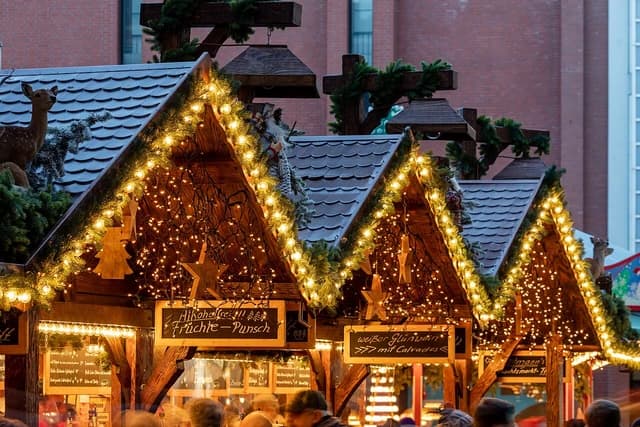
The chamber of commerce in Petrópolis, CDL Petrópolis, says the change reflects how consumers shop now: they compare prices earlier, spread expenses over several months and respond to holiday imagery long before the calendar officially turns. In practical terms, that gives stores a reason to decorate windows in September, when they are competing for attention against social media campaigns, not just neighboring storefronts.
The strategy is also a response to the way the retail calendar has been compressed. October brings Children’s Day in Brazil, November brings Black Friday and December brings Christmas, leaving merchants with three major selling moments packed into one quarter. Instead of treating each date separately, stores are increasingly building a continuous promotional arc. That can help sales volumes, but it also raises the stakes for inventory planning and cash flow: get the timing wrong, and discounting can erode margins.
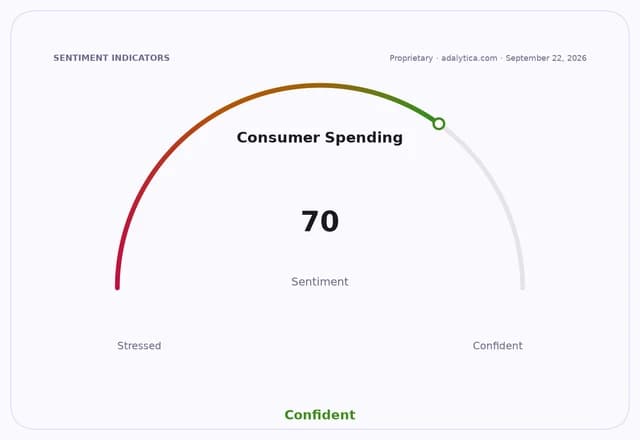
There is also a broader economic story here. Holiday demand has not disappeared, but it is being pulled forward and fragmented. That favors retailers with stronger merchandising, better digital reach and enough balance sheet flexibility to buy stock early. It is less forgiving for weaker chains that depend on a late surge in spending or that cannot afford to tie up capital in seasonal merchandise.
For investors, the lesson is straightforward. The winners in holiday retail are likely to be the operators that can extend the season, manage promotions carefully and keep shoppers engaged across channels. The losers are those that miss the shift in consumer behavior or rely too heavily on a short December window. In other words, Christmas is no longer just a date on the calendar; it is a longer-duration sales strategy, and that should keep retailers focused on execution all the way through year-end.
| Entity | Gains | Losses |
|---|---|---|
| Retailers with strong execution | ▲Longer selling season | ▼None directly |
| Weak seasonal chains | ▲Early traffic if prepared | ▼Margin pressure, slower sell-through |
| Consumers | ▲More time to shop and budget | ▼Earlier holiday marketing |
| CDLs and mall operators | ▲More foot traffic and engagement | ▼Higher pressure to keep events relevant |