Petrobangla is moving to expand its drilling fleet and auction off well packages in a bid to execute a four-year plan that could add as much as 1,752 million cubic feet a day of gas to Bangladesh’s grid, a step that would ease shortages and reduce dependence on costly imported LNG.
Petrobangla Plans 118 Wells to Lift Bangladesh Gas Output
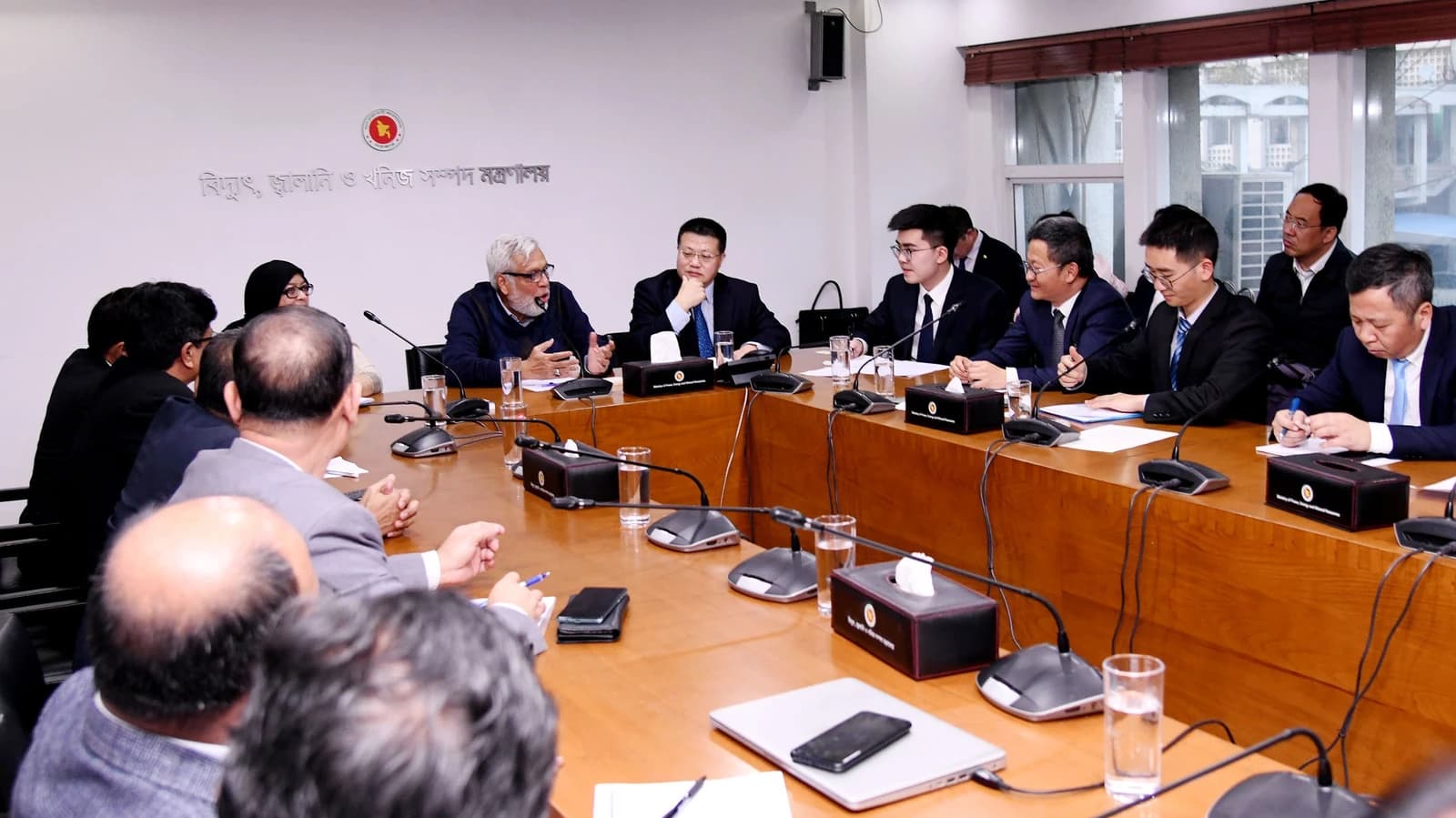
The state energy company’s plan is economically important because Bangladesh’s power plants, industry and households have been squeezed by weak domestic gas supply, forcing the country to import more fuel at a time when foreign-exchange pressure remains a constraint. More local production would support energy security, improve the trade balance and potentially lower the subsidy burden tied to LNG imports.
Sentiment IndicatorsⓘProprietary · adalytica.com · September 23, 2026
This is a snapshot — live sentiment, awareness and momentum for 130+ markets update continuously in the dashboard.Open AlphaPulse
Petrobangla wants to drill 118 wells by fiscal 2029-30, with the pace rising sharply over the period: 17 wells in FY2026-27, 30 in FY2027-28, 33 in FY2028-29 and 38 in FY2029-30. It expects those wells alone to yield about 1,466 mmcfd, while gas from 32 wells drilled since FY2021-22 has already added roughly 286 mmcfd, lifting the combined potential to 1,752 mmcfd.
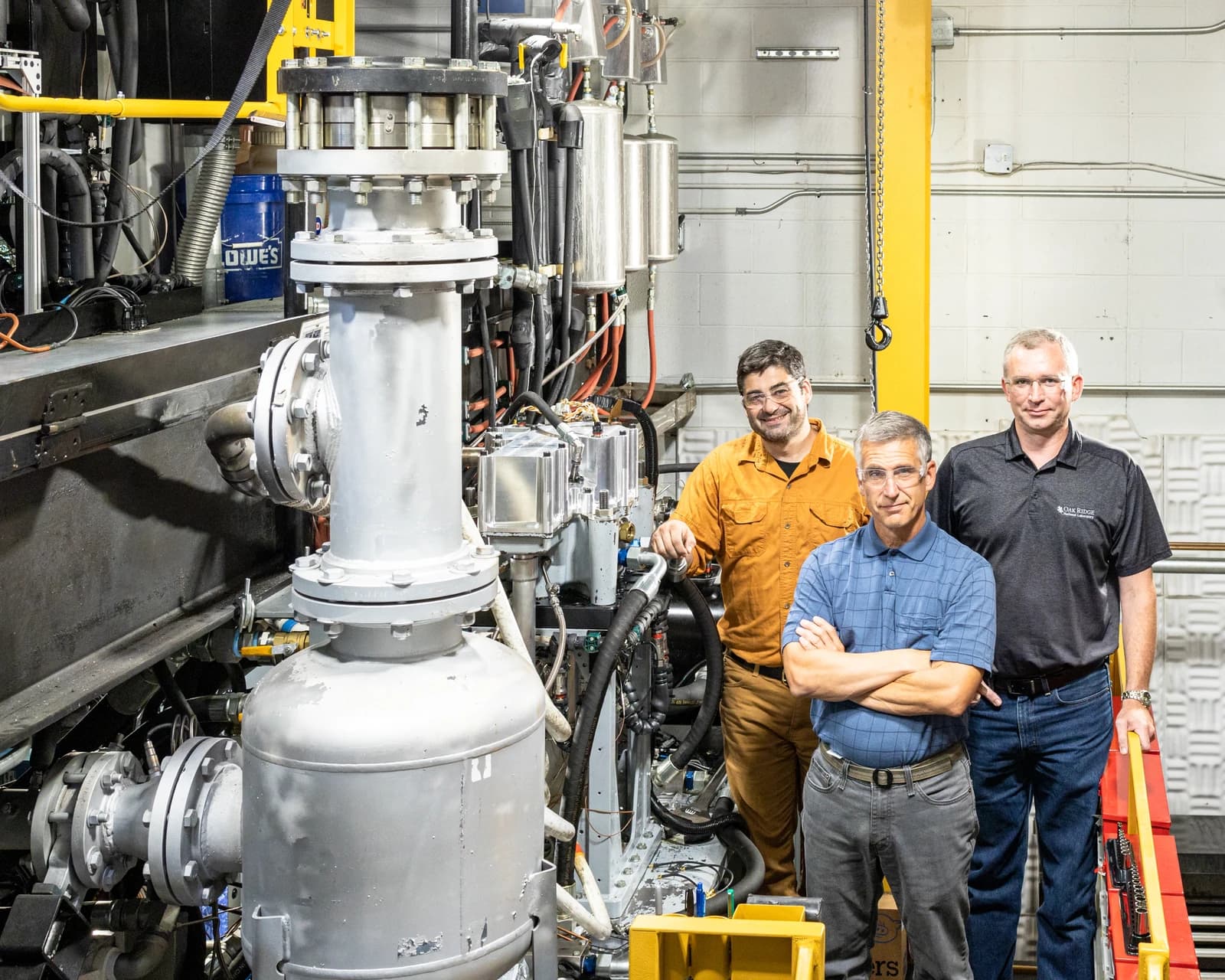
But the plan also highlights the gap between ambition and execution. Bapex, Petrobangla’s exploration arm, has five rigs, yet three are tied up in workover jobs, leaving only two available for development drilling. At a typical depth of 3,500 metres, a rig can drill only about three wells a year once relocation and setup time are taken into account, which means the current fleet falls well short of the proposed cadence.
To close that gap, Petrobangla is planning to buy a new 2,000-horsepower rig and prepare a development project proposal for a 1,500-horsepower unit for the Planning Commission. It also expects most of the wells to go through international bidding, an approach that could bring in outside capacity but will still require approvals, procurement and contract execution to move quickly.
That is where the biggest risk lies. Out of the 118 planned wells, 47 are still stuck in project preparation or administrative review, and only three have won funding approval since the BNP government took office. Even where drilling succeeds, Petrobangla has struggled to turn discoveries into gas on the grid: of the roughly 286 mmcfd found in recent years, only 134 mmcfd has been connected to the national system, leaving more than half stranded without pipelines or processing infrastructure.
For investors and lenders, the story is less about a single drilling campaign than about Bangladesh’s ability to convert reserve potential into cash flow and lower import demand. If the programme is financed and executed, local service contractors, rig suppliers and pipeline builders stand to benefit, while LNG importers and fuel traders could face lower volumes over time. If approvals stall or infrastructure lags, the plan risks becoming another under-delivered energy pledge in a system already short of supply.
The next test is whether Petrobangla can turn its rig-buying plan into approved projects and then into connected gas. Until then, the market will treat the 118-well target as a medium-term supply thesis rather than a near-term fix.
| Entity | Gains | Losses |
|---|---|---|
| Petrobangla/Bapex | ▲More drilling capacity | ▼Execution pressure |
| Bangladesh consumers and industry | ▲Lower gas shortages | ▼Delayed relief |
| LNG importers/suppliers | ▲Stable demand if plan stalls | ▼Lower import volumes if domestic output rises |
| Drilling contractors and rig makers | ▲New bids and orders | ▼— |