Peru’s inflation has climbed back above 5% for the first time in more than three years, a sign that El Niño is already feeding through to household budgets and raising the odds of a more persistent cost-of-living squeeze.
Peru inflation tops 5% on food and fuel costs
Consumer prices in metropolitan Lima rose 5.25% in the 12 months through October, the National Institute of Statistics and Informatics said, the highest annual rate since August 2023. Prices increased 0.57% in October alone, taking inflation for the first 10 months of the year to 4.88%. Nationwide inflation was 4.83% over the same period.
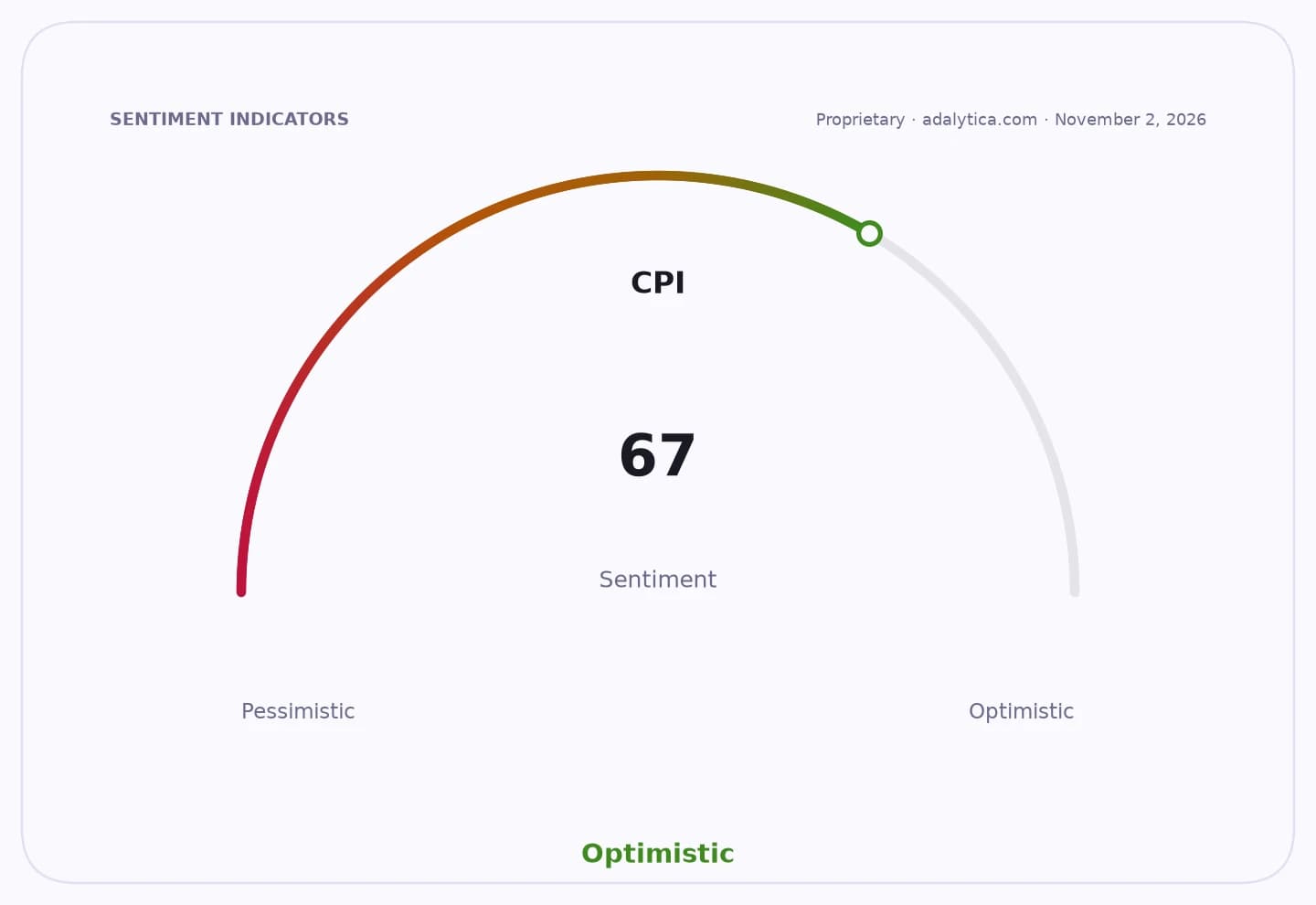
Sentiment Indicators
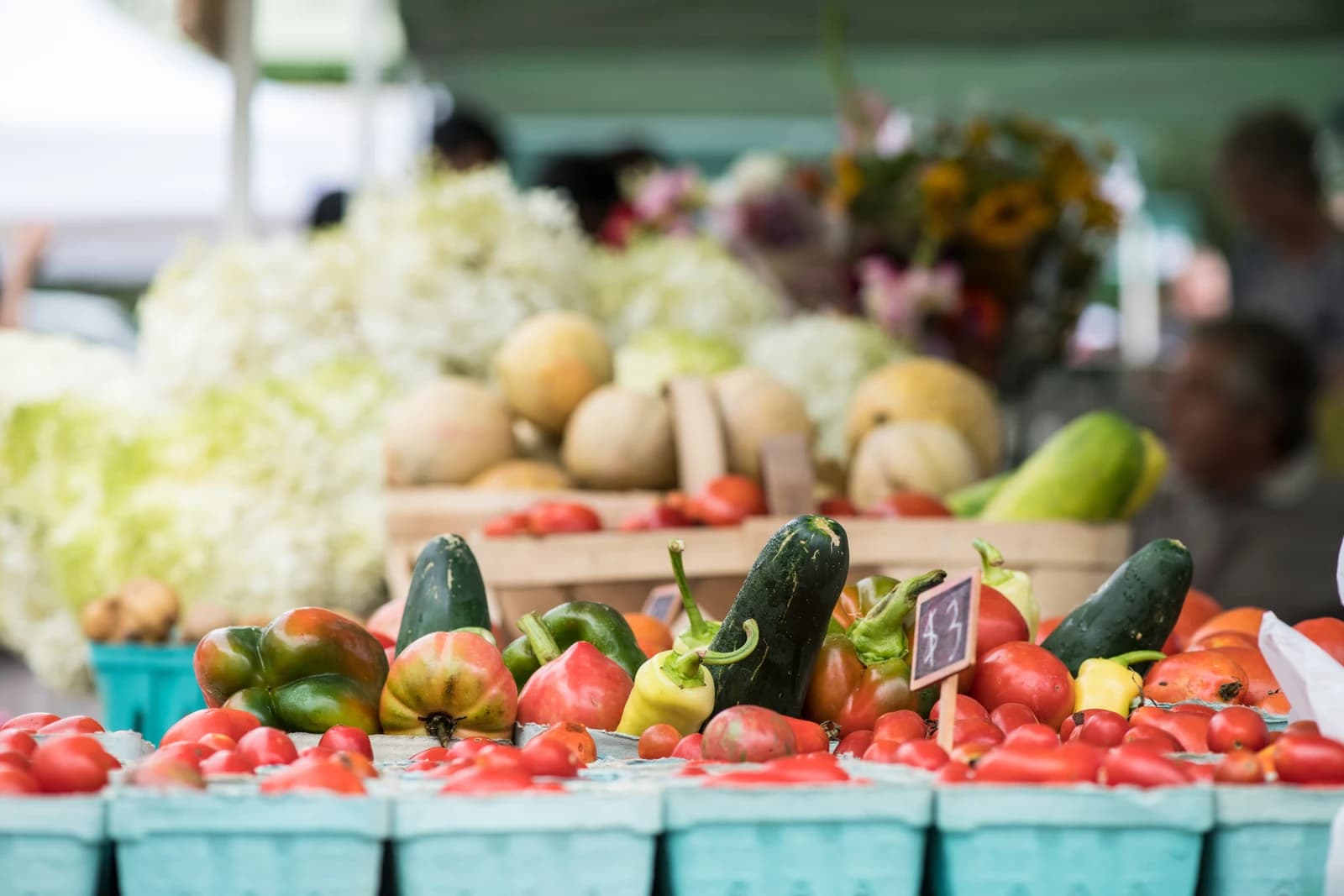
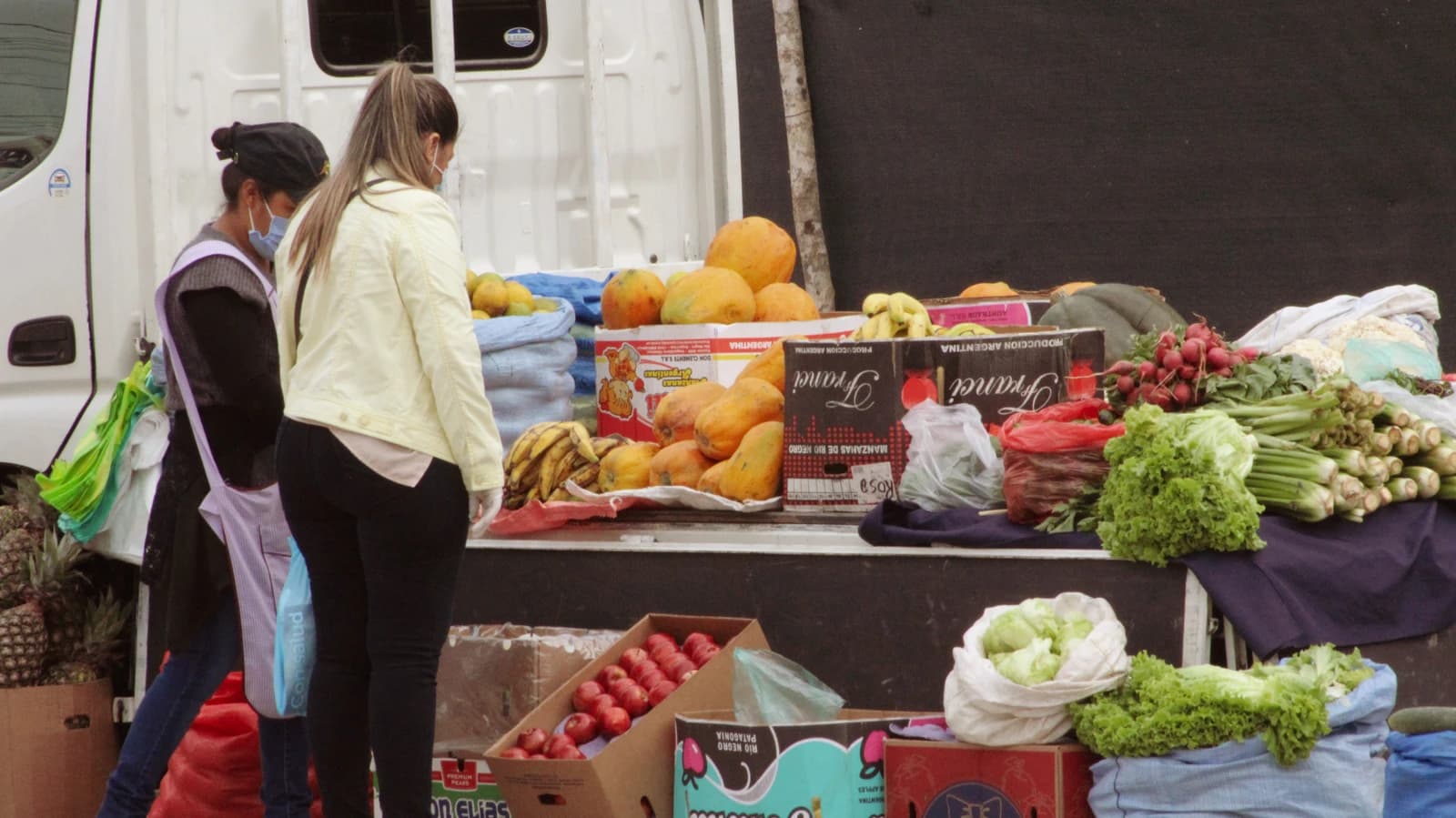
The main driver was food, where weather disruptions tied to El Niño have curtailed agricultural output and supply. Food and non-alcoholic beverages rose 1.62% in October and accounted for about 68% of the monthly inflation reading in Lima. Staples including bonito, corn, carrots and green peas posted sharp jumps, while potatoes, onions and other household basics also climbed.
That matters because food carries outsized weight in Peru’s consumer basket and tends to hit lower-income households hardest. Higher grocery bills are also harder for the central bank to offset quickly than a one-off spike in imported goods. If El Niño continues to disrupt planting and harvesting, inflation could remain sticky even if broader domestic demand stays weak.
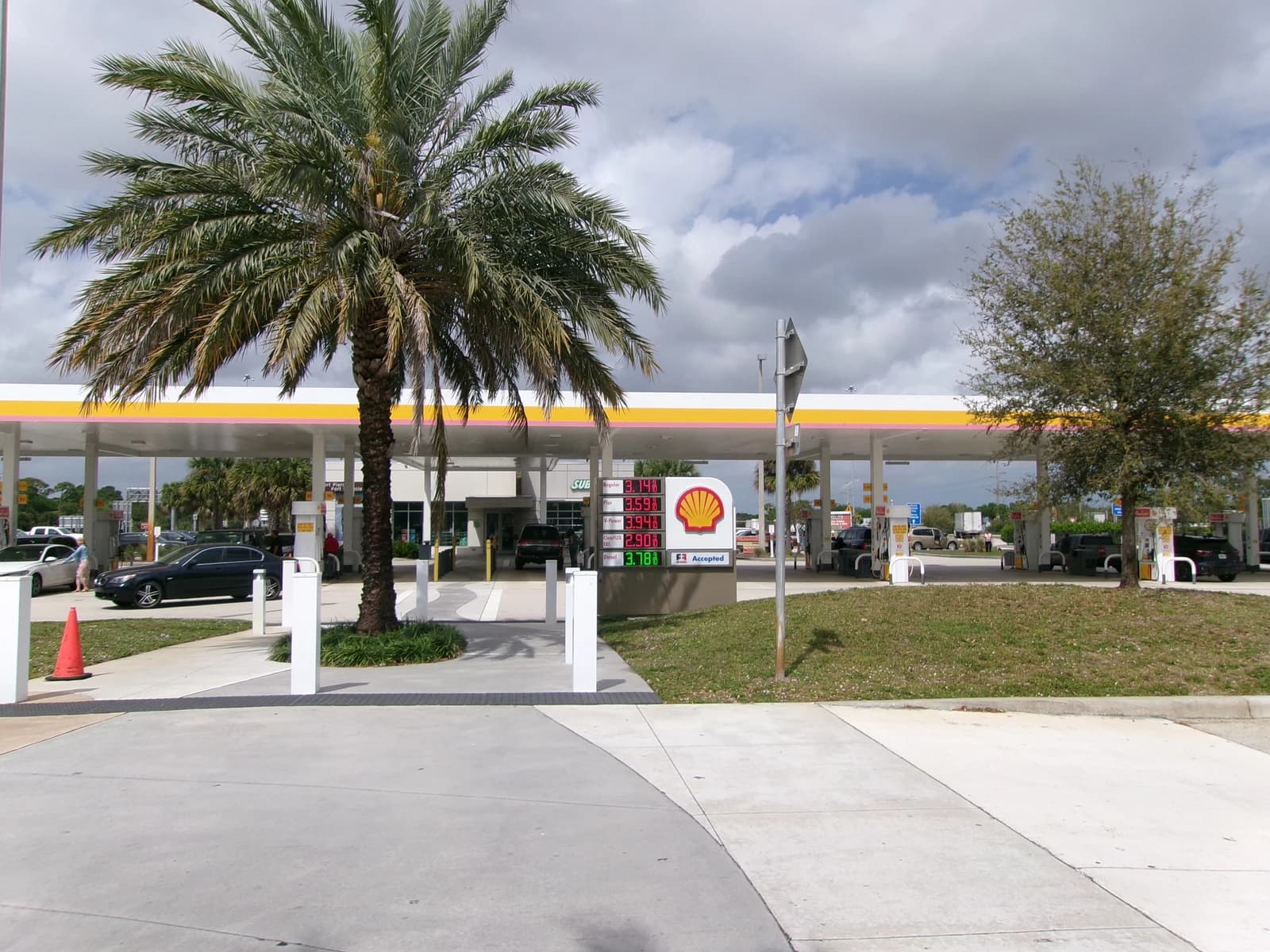
Fuel is adding a second inflationary channel. Transport prices rose 0.77% in October and are up 15.75% over the past year, led by a 43.67% annual increase in fuels and lubricants for vehicles. LPG, gasohol and diesel all rose in October, while higher international fuel prices fed into passenger fares and logistics costs, pushing up final consumer prices more broadly.
Peru has not been alone in facing weather-driven price pressure, but the timing is awkward for policymakers. The economy is still dealing with elevated living costs, and the central bank now has to weigh whether this is a temporary supply shock or the start of a more entrenched inflation cycle. The latter would make rate cuts harder and keep financial conditions tighter for longer.
For investors, the immediate implication is that El Niño is no longer just an agricultural headline risk. It is a macro variable affecting consumption, transport, margins and policy. Food importers, retailers and transport companies may face margin pressure if they cannot pass on higher costs quickly, while agricultural and commodity-linked exporters could benefit from tighter supply and firmer prices.
The next test will be whether monthly inflation moderates after October or whether food and fuel keep pushing the annual rate higher into year-end. If weather conditions worsen, Peru’s inflation story could become less about a short-lived shock and more about a broader squeeze on real incomes and growth.
| Entity | Gains | Losses |
|---|---|---|
| Agricultural producers | ▲Higher farm-gate prices | ▼Lower crop volumes |
| Fuel suppliers | ▲Stronger pass-through prices | ▼Consumers and transport users |
| Retailers and restaurants | ▲Limited if pricing power holds | ▼Margin pressure from input costs |
| Peruvian households | ▲None | ▼Higher food and transport bills |