Pepeto’s live launch is drawing attention in a crypto market that is increasingly rewarding projects with working products rather than meme-driven promises, even as Ethereum and Solana extend a September advance that has pulled capital back toward the biggest chains.
Pepeto Launches Live Bridge and Zero-Fee Swap Platform
That shift matters because the next phase of the market is being shaped less by pure speculation and more by usability, liquidity and perceived safety. Traders burned by bridge and smart-contract failures are showing more caution, while institutions and larger retail buyers continue to concentrate on assets with deeper market infrastructure. In that setting, Pepeto’s claim of a live bridge, a zero-fee swap platform and more than $11 million in presale funding is part of a broader attempt to position a new token as infrastructure-first rather than another fleeting meme trade.
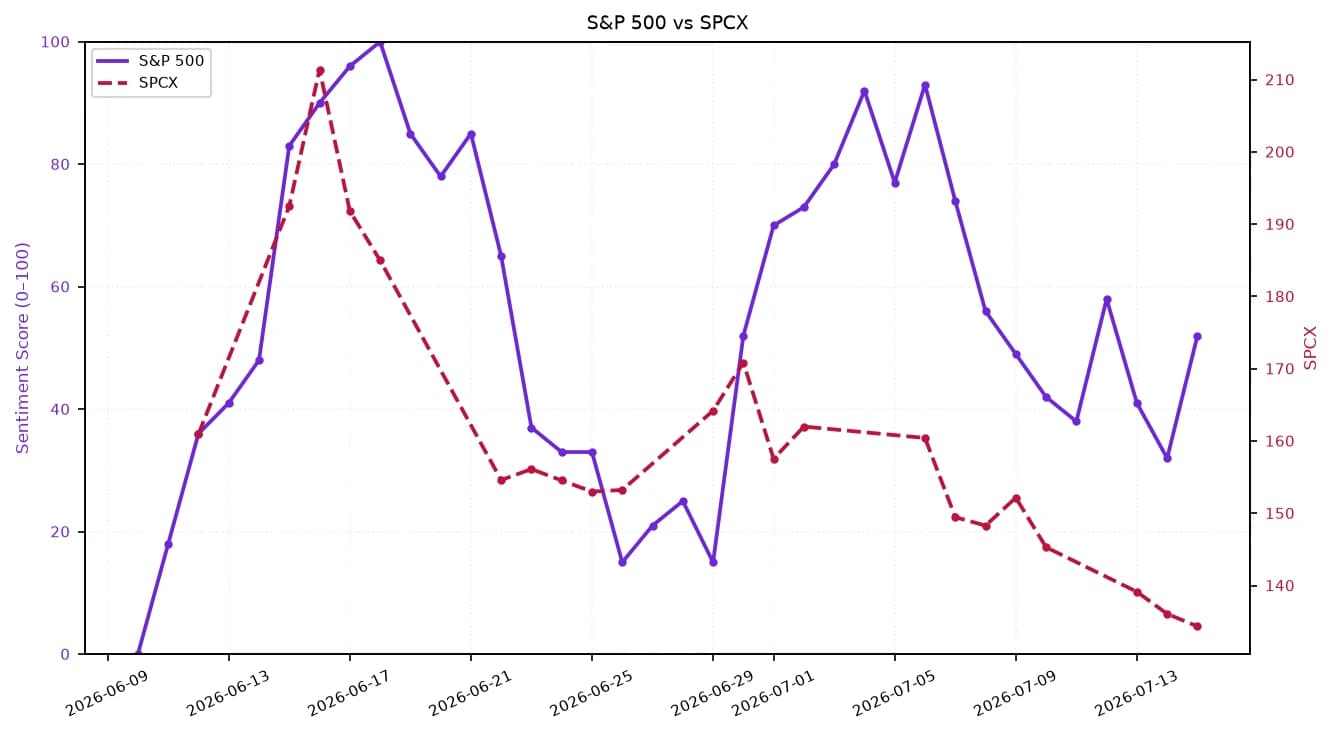
Sentiment IndicatorsⓘProprietary · adalytica.com · September 21, 2026
This is a snapshot — live sentiment, awareness and momentum for 130+ markets update continuously in the dashboard.Open AlphaPulse
The backdrop is favorable for the majors. Ethereum has gained 30% in a month, with spot ETF inflows reported in consecutive record weeks, while Ether was last around $2,686.72, above both its 50-day and 200-day moving averages. Solana, last at $112.22, has also recovered sharply from earlier weakness and sits above its key moving averages as it benefits from activity on the network, including $200 million in token stock trading reported on Sept. 12. Bitcoin, meanwhile, is holding near $81,583.67, with Adalytica’s Bitcoin Fear & Greed Index showing sentiment at 69, or neutral, and awareness at 71, suggesting the market has not yet swung back into euphoric territory.
The timing also highlights why bridge security remains a live issue for traders. A Chainflip hack drained 736,442 USDT from a TRON-related flaw, underlining how quickly funds can disappear when cross-chain infrastructure fails. The attack reportedly ran for 90 minutes before detection, and the episode sent a reminder through the market that users are increasingly sensitive to counterparty and protocol risk. Pepeto is trying to make that concern a selling point, saying its bridge spans Ethereum, Solana, BNB Chain, Base and Arbitrum, and that funds are returned automatically if a transfer breaks. It also says a scanner reviews 42 items before a token swap proceeds, including mint traps and hidden fees.
For investors, the appeal is straightforward: this cycle has rewarded projects that combine narrative with functional utility, but the bar for credibility is higher after a year of hacks, failed launches and meme-coin fatigue. Pepeto’s backers are essentially betting that the market still has room for an early-stage token that looks more like a platform than a pure joke asset. The presale price, reported at $0.0000001895, leaves room for steep upside if listing momentum builds, but that same structure also leaves late entrants exposed if enthusiasm fades after launch.
The bull case is that crypto capital continues to rotate into assets with proven traction and that a token with audited contracts, live products and a clear exchange narrative can capture flows before broader retail awareness arrives. The bear case is that even well-marketed presales often struggle once trading opens, particularly if the wider market’s preference remains with Bitcoin, Ether and Solana rather than smaller issuers. The bigger takeaway is that September’s rally in ETH and SOL is not just a price story; it is reinforcing a market structure in which investors are again willing to pay for utility, but only when the product, the security model and the liquidity story all line up.
| Entity | Gains | Losses |
|---|---|---|
| Pepeto | ▲Presale momentum | ▼Sceptical late buyers |
| Ethereum | ▲ETF-driven inflows | ▼Smaller altcoin rivals |
| Solana | ▲Network activity | ▼Meme tokens with weak utility |
| Bridge-trade winners | ▲Safer cross-chain access | ▼Hack-exposed protocols |