Workers’ wage demands are turning into a political and market issue again, and that matters because higher pay across the public sector can feed inflation, strain budgets and keep labor costs elevated for the private economy.
Paychex and Wage Pressure in Public Sector
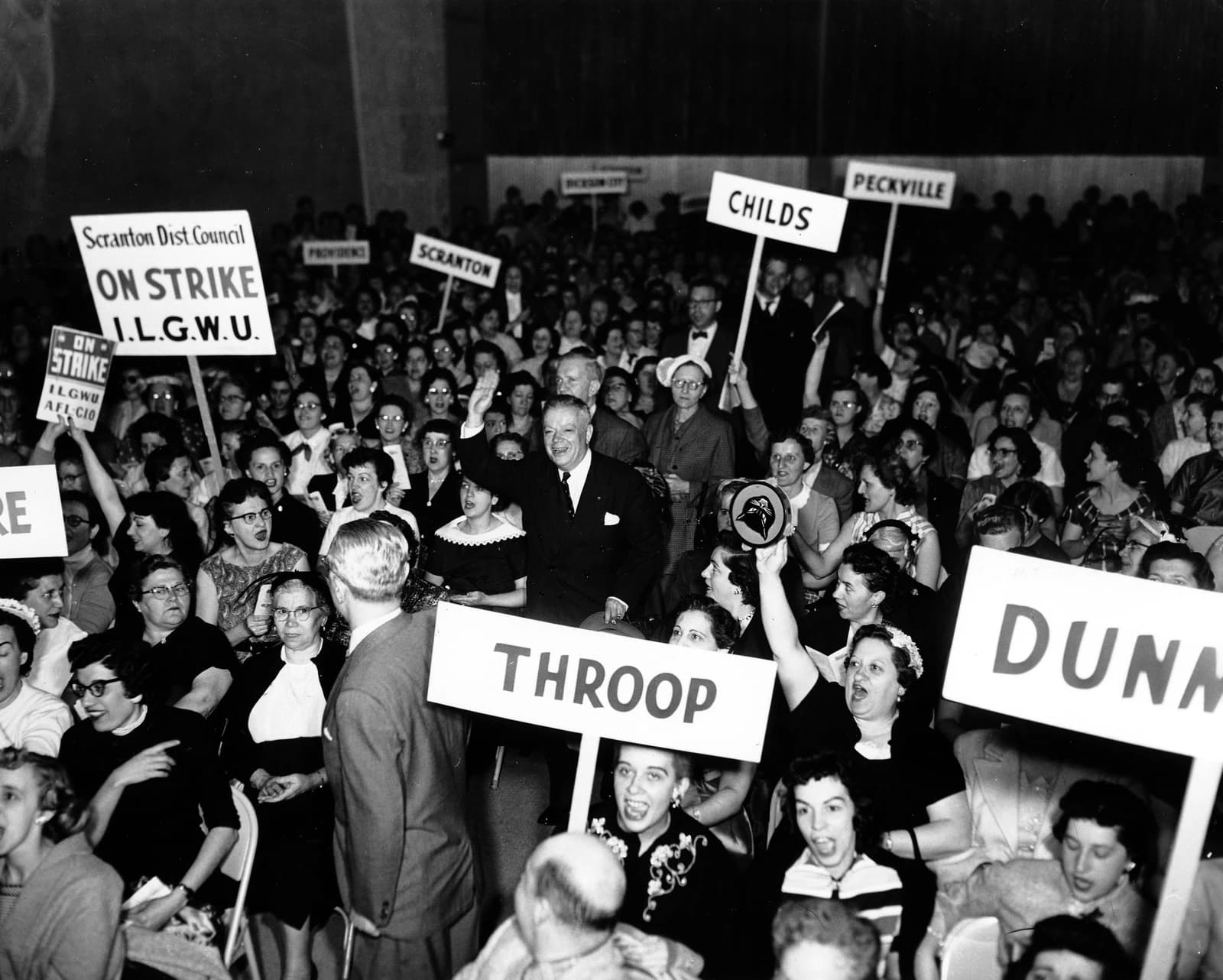
The clearest sign is the widening gap between what employees were promised and what governments can now fund. In the Hungarian debate around the 2027 budget bill, public workers are facing wage increases of 15% to 21.5% depending on the sector, well below the 25% raise pledged during the campaign. That shortfall is exactly the kind of political mismatch that tends to invite strikes, union action and renewed bargaining pressure, especially when workers in health care, social services, education support and law enforcement are already under strain.
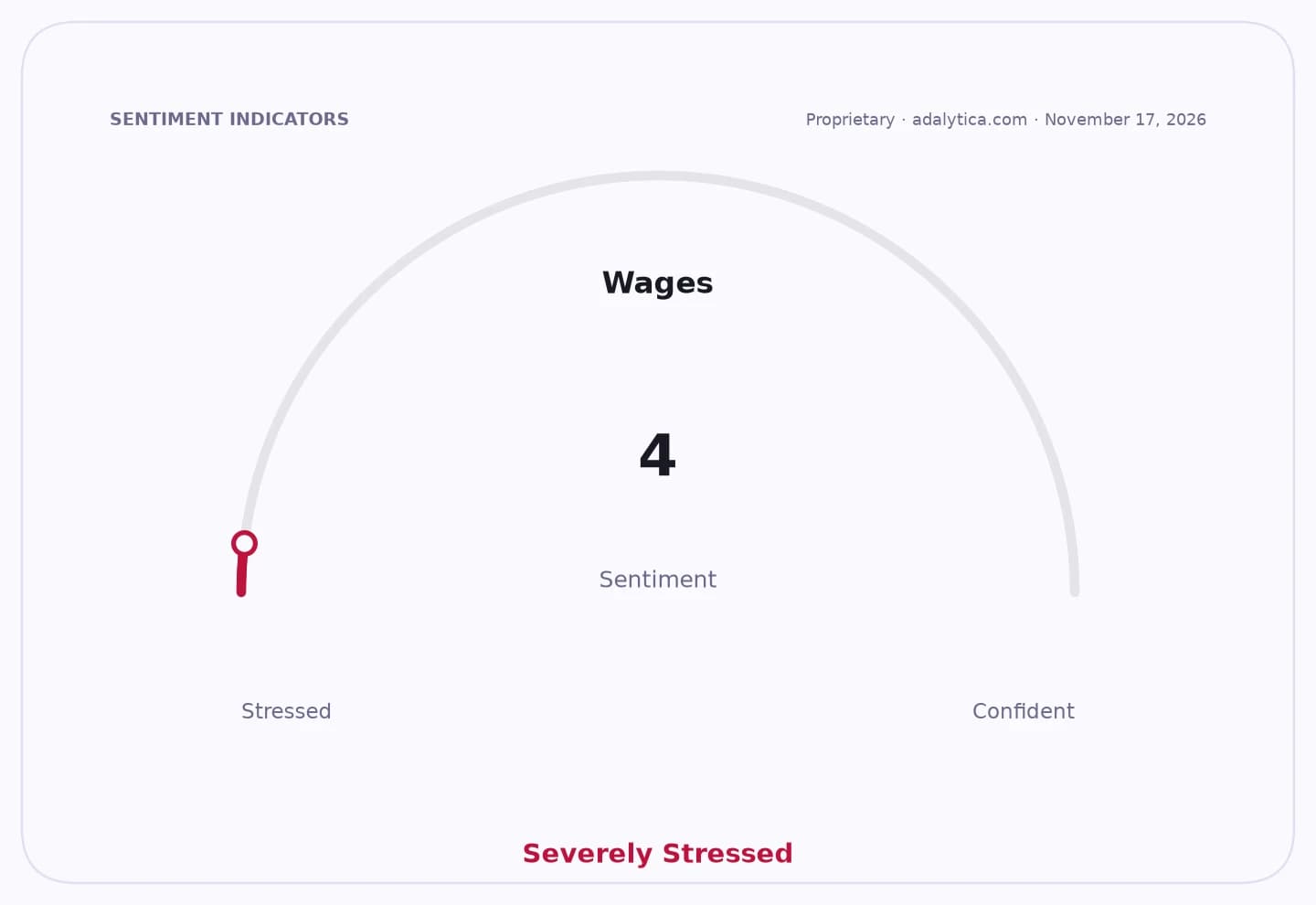
Sentiment Indicators
This is not just a question of fairness. It goes straight to economic capacity. When wages in essential public services lag inflation and living costs, workers leave, service quality deteriorates and the burden shifts back onto the broader economy through weaker schools, strained hospitals and less effective social support. In other words, wage settlements are not a side issue — they are a productivity issue and a fiscal issue.
The broader macro backdrop makes the tension harder to ignore. U.S. unemployment is running at 4.1% in the latest forecast, while consumer prices are still climbing, with the CPI projected to reach 338.65 in November from 337.48 in October. That combination leaves policymakers with little room to absorb aggressive wage growth without facing fresh inflation concerns. At the same time, Adalytica’s WAGES gauge shows “Extreme Greed” at 93, while the PAYROLL snapshot is in “Extreme Fear” at 12, underscoring how sharply market attention has swung toward labor costs and payroll sensitivity.
Wages — 30-day sentimentadalytica.com
Explore this data interactively — full history, time series and cross-market comparisons.
For investors, that is the real trade. Wage pressure is a tailwind for firms that automate, digitize or outsource payroll and compliance, and a headwind for labor-intensive operators with little pricing power. Paychex is one of the names to watch. The payroll processor has been volatile, but its shares at $112.63 remain above the 200-day moving average of $102.37 and close to the 50-day average of $110.01, suggesting the market is still willing to pay for sticky recurring revenue tied to employment activity and wage administration.
That makes the investment angle straightforward: the market is underestimating how durable the wage debate will be. Governments may try to delay or dilute pay increases, but they rarely eliminate them when labor shortages, social pressure and political promises collide. The next phase is likely to bring more headline risk, more union activism and more demand for companies that profit from labor complexity rather than labor intensity. For investors, the better positioning is in payroll, compliance and automation infrastructure — not in businesses that depend on cheap, compliant labor staying cheap.
| Entity | Gains | Losses |
|---|---|---|
| Paychex (PAYX) | ▲Payroll demand, pricing power | ▼If hiring slows sharply |
| Public-sector workers | ▲Higher wage leverage | ▼Delayed or smaller raises |
| Governments | ▲Short-term budget control | ▼Strike risk, political backlash |
| Labor-intensive employers | ▲— | ▼Higher wage bills |