Pakistan’s Virtual Asset Industry Alliance has brought in senior executives from Japan, South Korea and global exchange HTX in a leadership overhaul aimed at giving the country’s still-fragile crypto sector more international reach and a clearer line to regulators.
Pakistan VAAP adds Japan, Korea and HTX executives
The appointments matter because Pakistan’s digital asset market is trying to move from informal enthusiasm to something that can attract capital, talent and policy recognition. By putting cross-border executives into the top tier of the alliance, the industry is signalling that it wants legitimacy, foreign partnerships and regulatory engagement rather than a purely local lobbying effort.
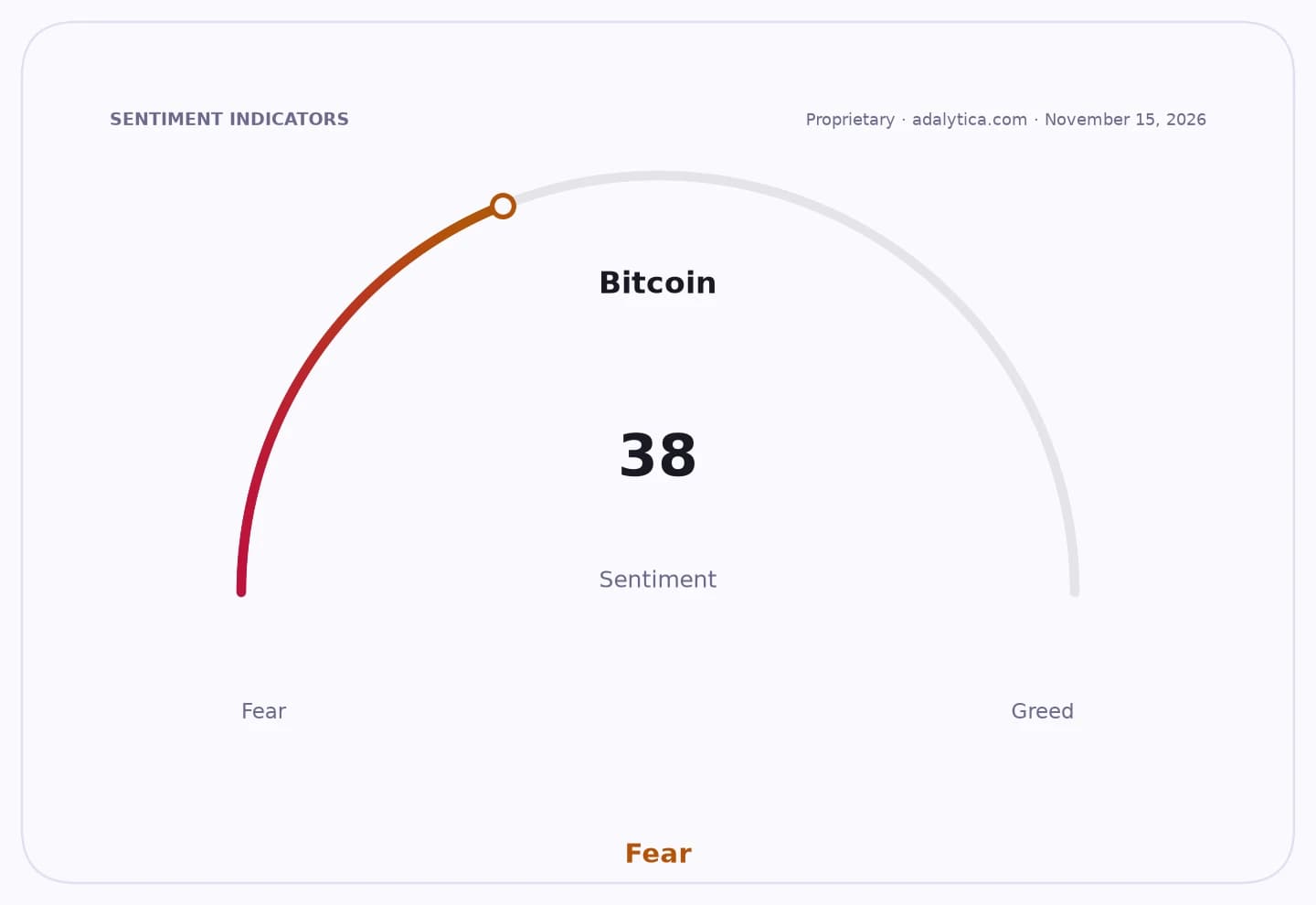
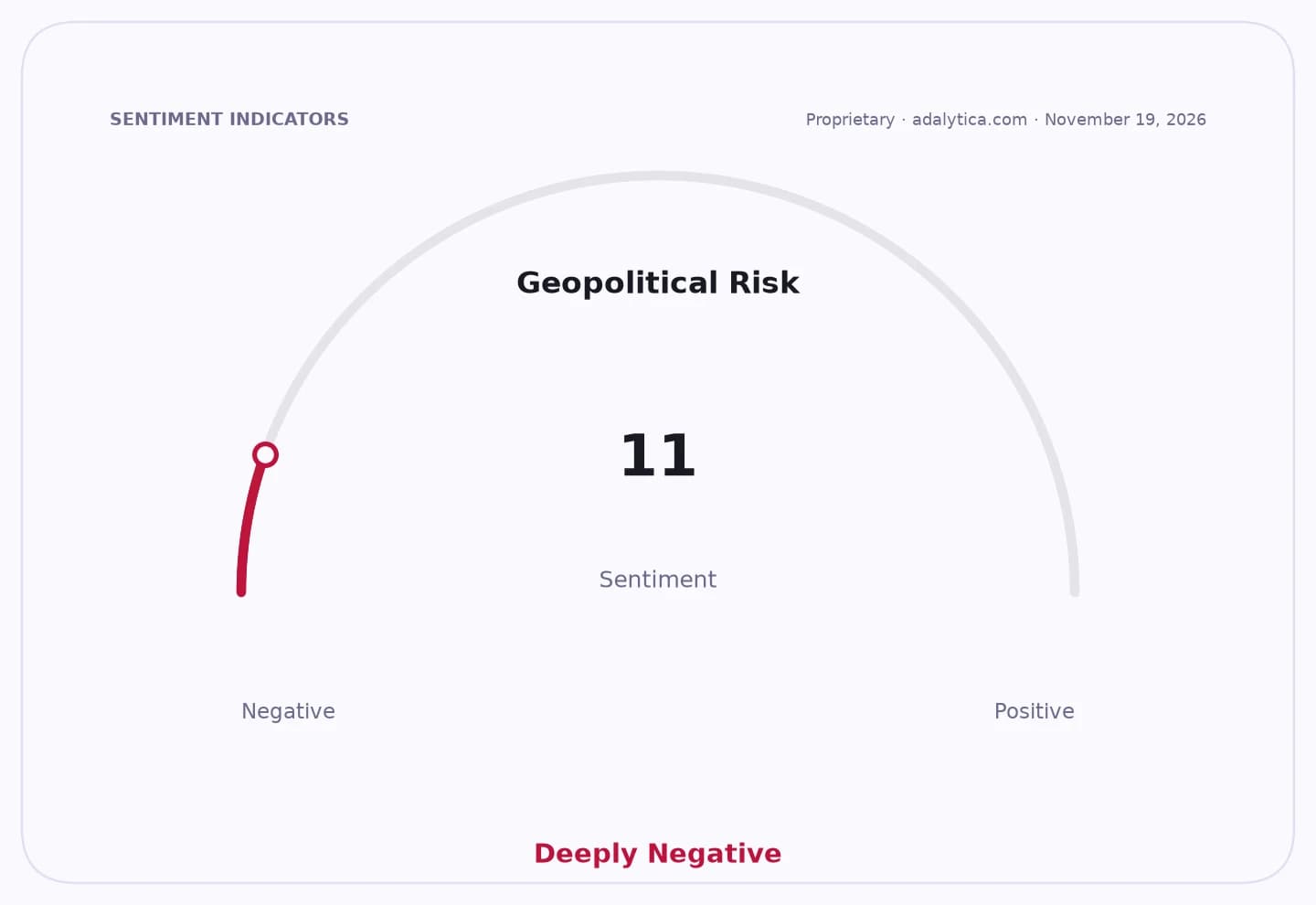
Sentiment Indicators
Hinza Asif, founder and chief executive of Asia Web3 Alliance Japan, has been named chairperson of the Virtual Asset Industry Alliance of Pakistan, or VAAP. Syed Ehtesham Hamdani, country manager of HTX Exchange, becomes senior vice chairman, while Muhammad Salman Ali, chief executive of Virtual Remittance Gateway, will handle regulatory affairs and strategy. WanKyu Kim, chief business officer at South Korea’s DCENT, joins as an advisory board member.
For Pakistan, where virtual assets have hovered in a regulatory grey zone, the leadership change is as much about political positioning as industry management. VAAP is trying to present itself as a bridge between local entrepreneurs and offshore platforms at a time when governments worldwide are tightening oversight of exchanges, token issuers and custody practices. That backdrop was reinforced this week by a UAE court order freezing cryptocurrency tokens stolen from Binance wallets, another sign that authorities are becoming more aggressive in tracing and containing crypto-related losses.
The alliance’s emphasis on “practical benefits” is notable. Rather than chase brand-name affiliations, it is framing the appointments around startup access, regulatory dialogue and market development. That suggests the group understands the real constraint is not hype but infrastructure: compliance standards, banking access, token custody, investor protection and a framework that can persuade both policymakers and institutions that the sector can operate safely.
Investors should read the move as a potential positive for deal flow and ecosystem development, but not yet as a near-term earnings story. Pakistan remains early-stage, and the opportunity depends on whether the alliance can convert introductions into rules, and rules into bankable products. If it succeeds, domestic fintechs, blockchain developers and remittance-focused firms could gain a pathway to foreign partnerships and capital. If it does not, the leadership shuffle risks becoming symbolic at a moment when the sector needs concrete regulatory progress.
The broader narrative is that crypto in Pakistan is seeking a more institutional shape just as global regulators are moving in the opposite direction, toward stricter controls and enforcement. That tension will determine whether VAAP’s new leadership becomes a launch pad for a structured industry or simply a sign that Pakistan’s digital asset market is still looking for its footing.
| Entity | Gains | Losses |
|---|---|---|
| VAAP | ▲International credibility | ▼Local-only focus |
| Pakistani crypto startups | ▲Global partnerships | ▼Isolation from foreign capital |
| Regulators | ▲Clearer industry contact | ▼Less ambiguity, more pressure |
| Unregulated operators | ▲Tighter scrutiny | ▼Looser enforcement |