Pakistan’s stock market slipped into a volatile, risk-off session on Tuesday as a jump in global oil prices and renewed Middle East tensions triggered broad selling across the Pakistan Stock Exchange, dragging the benchmark KSE-100 down 814 points.
Pakistan Stock Exchange Falls on Oil Price Spike
The move matters because higher crude prices tend to worsen Pakistan’s external account and inflation outlook at the same time, pressuring a market that remains highly sensitive to imported-energy costs, currency risk and policy credibility. With Brent holding near a five-month high around $109 a barrel, investors are repricing the earnings outlook for an economy that imports much of its fuel and depends on energy-intensive transport, power and industrial activity.
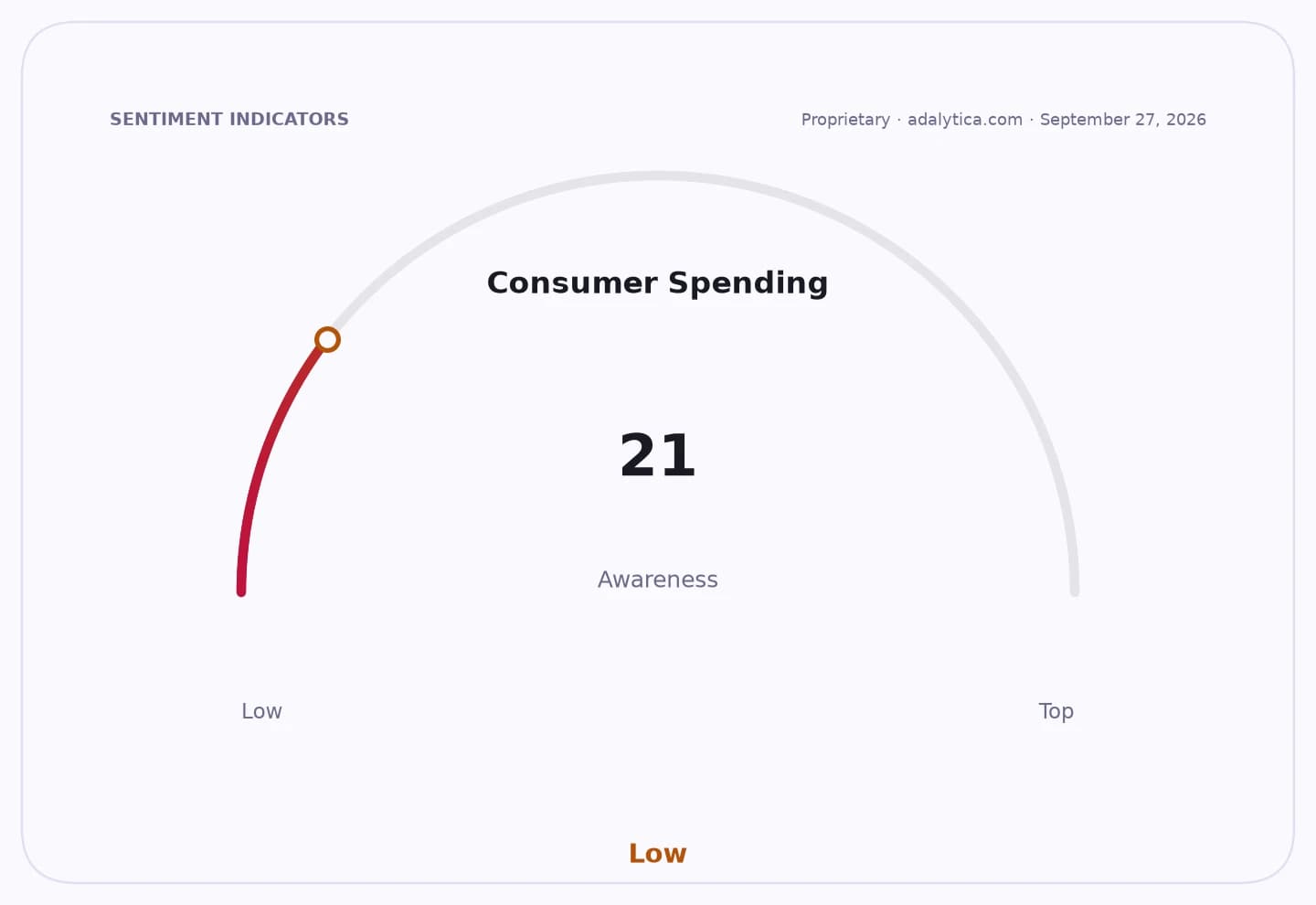
Sentiment Indicators
The KSE-100 swung between an intra-day high of 166,425.56 and a low of 165,111.14 before closing at 165,151.64, down 0.49%. Trading started in positive territory, helped by buying in automobile assemblers, cement, banks, oil and gas explorers and oil marketing companies, but the tone quickly deteriorated as the session progressed. By the close, selling had broadened beyond the energy complex into commercial banks, technology, refinery and power stocks.
KTrade Securities said the index fell 814.44 points on cautious sentiment and subdued volumes of 144 million shares. Arif Habib Limited’s Ali Najib said the market opened higher, hit an intra-day gain of about 460 points, then reversed as rising oil prices weighed on appetite for risk. That intraday reversal is a sign that the market lacks conviction: buyers are willing to step in on strength, but not to carry positions through a macro shock.
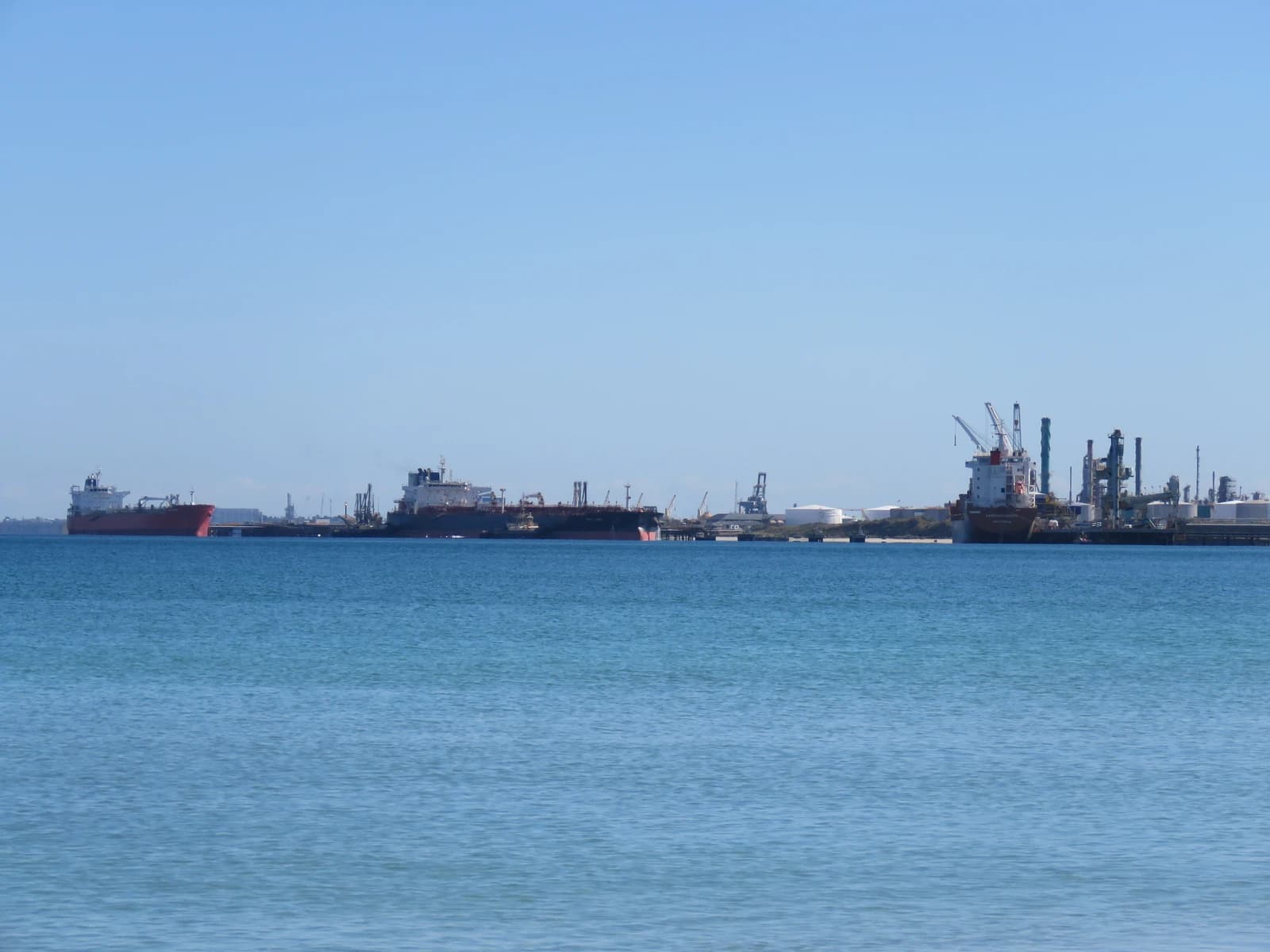
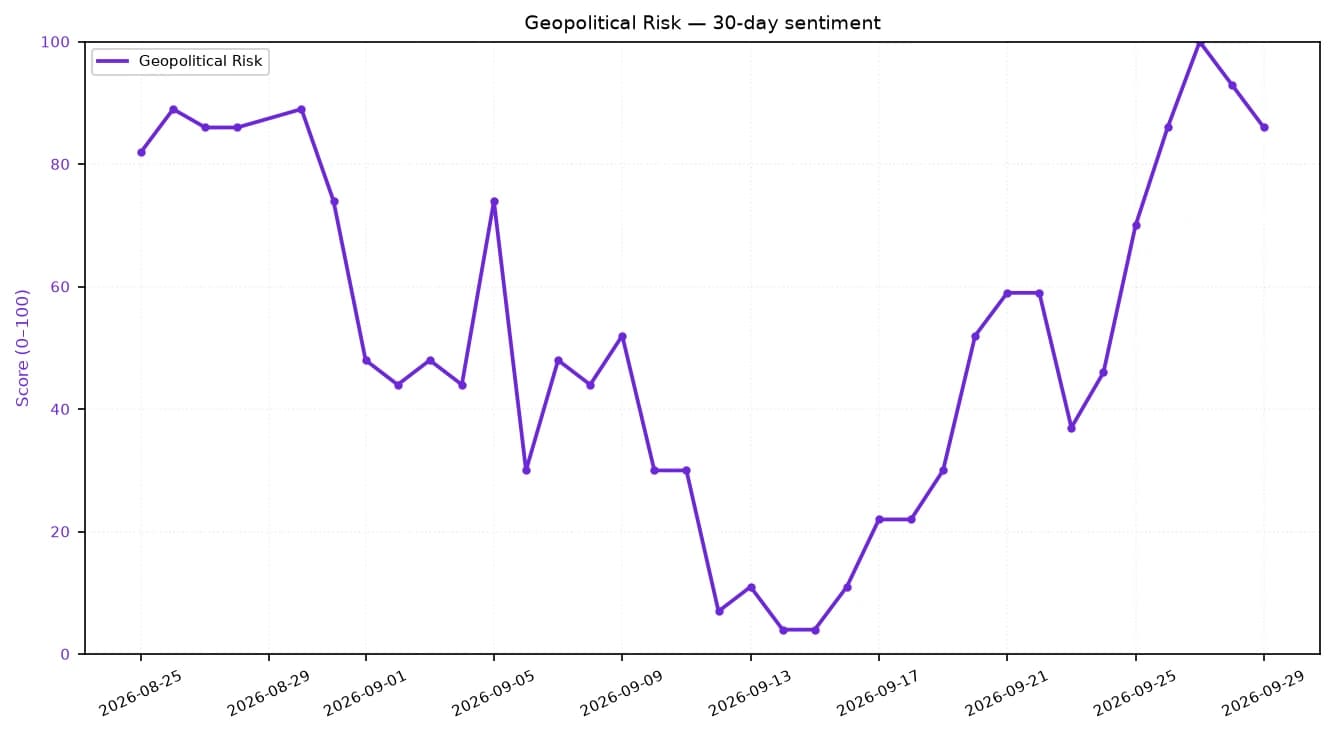
The macro backdrop helps explain the reaction. Brent’s move higher reflects a geopolitical risk premium after Houthi attacks on Saudi infrastructure and reports of vessel attacks in the Gulf, raising fears of disruption to regional energy supply. For Pakistan, that is not a distant commodity story. A sustained rise in crude can feed through to import bills, transport costs and eventually consumer prices, while also squeezing margins for refiners, power producers and energy-intensive users.
The drag was broad-based, but the weakest names underline the market’s defensive posture. Attock Refinery, Systems Ltd, Habib Bank, Hub Power and Fauji Fertiliser were among the largest drags. That mix suggests investors were not simply selling oil-sensitive names; they were also trimming financials and utilities, sectors that often act as proxies for domestic growth and policy stability.
There were, however, signs of selective interest in the energy chain. Pakistan Oilfields reported earnings of Rs8.2 billion, up 51% from a year earlier, while Attock Petroleum’s profit rose 74% to Rs6.64 billion and Attock Refinery posted a 13-fold jump in net profit to Rs18.6 billion. Those results show how higher petroleum prices and inventory gains can support downstream and exploration earnings in the near term, even as the broader market worries about the macro fallout. For investors, that creates a split between companies that benefit directly from firmer oil and the wider economy that suffers from it.
Volumes improved to 446.8 million shares from 370.9 million a day earlier, but that did not translate into stronger breadth. Of the 499 companies traded, 324 fell and just 128 rose. Cnergyico Pakistan led turnover with 46.5 million shares, while foreign investors were net buyers of Rs206 million, offering a small offset to domestic caution rather than a clear vote of confidence.
The near-term outlook now depends on whether crude stabilizes or extends its rally. If oil stays elevated, Pakistani equities are likely to remain range-bound as investors price in pressure on inflation, the current account and corporate margins. A pullback in geopolitical risk could allow a rebound, especially in fundamentally stronger names, but for now the market is treating oil as the dominant macro variable.
| Entity | Gains | Losses |
|---|---|---|
| Oil producers/refiners | ▲Higher product prices, inventory gains | ▼— |
| Pakistan consumers/importers | ▲— | ▼Higher fuel and input costs |
| PSX bulls | ▲Selective buying opportunities | ▼Lower confidence, volatile index |
| Banks, power and tech stocks | ▲— | ▼Broad-based selling pressure |