Naguib Sawiris’s long-stalled North Korea investment is back in focus after Orascom Investment Holding said it had 4 billion Egyptian pounds in cash sitting in banks in the country, money the group still cannot readily move out under sanctions and operating restrictions.
Orascom Says 4 Billion Pounds Trapped in North Korea
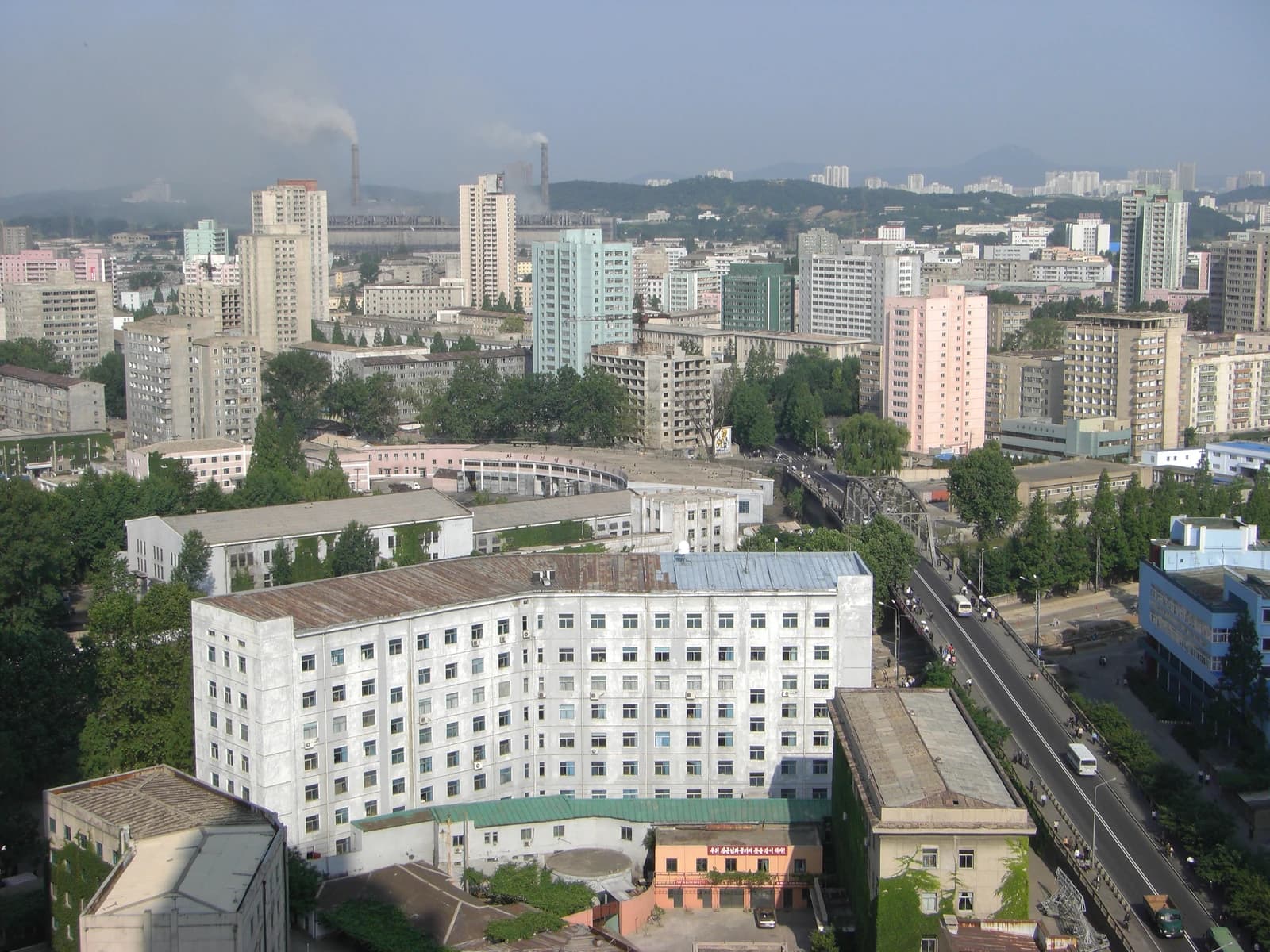
The figure, up from 3 billion pounds at the end of 2025, highlights the economic trap facing foreign investors in North Korea: assets can accumulate on paper, but access to the cash is constrained by international restrictions, local controls and the absence of a normal repatriation channel. For investors, that makes the balance sheet value of the holding far less liquid than the headline number suggests.
Sentiment Indicators
Orascom’s latest limited-review report also puts the group’s total exposure to its North Korean venture, Koryolink, at about 4.614 billion pounds as of Sept. 30, including a 613.6 million-pound equity-accounted investment and the cash balances at local banks. The auditor said it could not obtain sufficient evidence to verify the recoverable value of the investment or the validity of the bank balances, and could not determine whether accounting adjustments were needed.
That caveat matters because it means the cash is not just hard to retrieve — its valuation is also uncertain. Orascom said the funds are tied up in a market subject to “exceptional” operating and financial conditions, with sanctions making it difficult to import supplies, export profits or transfer money abroad.
Sawiris entered North Korea in 2008 with roughly $250 million to help launch Koryolink, the country’s first mobile network, along with hotel and services investments. The bet has since become one of the most complicated overseas positions in his empire, especially after Pyongyang launched a state rival, undercutting the joint venture’s market position and limiting Orascom’s control.
The problem has only deepened since the U.N. Security Council tightened restrictions in 2017 and North Korea expanded its uranium-enrichment facility this week, a reminder that sanctions pressure on Pyongyang is likely to stay in place or intensify. For Orascom, that leaves a large but effectively trapped pool of capital on its books and little visibility on when — or if — it can be extracted.
| Entity | Gains | Losses |
|---|---|---|
| Orascom Investment Holding | ▲Paper asset value | ▼Liquidity and repatriation access |
| Naguib Sawiris | ▲Long-term optionality in Koryolink | ▼Cash trapped in North Korea |
| North Korean banks / state system | ▲Retained deposits | ▼External capital outflow |
| Existing Orascom shareholders | ▲Potential upside if funds are released | ▼Balance-sheet uncertainty and audit risk |