OpenAI is testing a redesigned mobile ChatGPT app that puts its AI agent feature front and center, a move that could sharpen the company’s push to turn ChatGPT from a conversational interface into a daily operating hub for consumers and professionals.
OpenAI tests redesigned ChatGPT mobile app
Artificial Intelligence
The revised layout, shown by OpenAI employee Thibault Sottiaux, adds a bottom tab bar with a home screen and a Dot AI agent, while letting users pin other tools such as Codex or Images. ChatGPT Pro users with Dots, or those eligible for one, can switch on the design in settings. That puts the company’s newest product ambitions — agentic workflows rather than plain chat — directly into the most used version of the app.
Sentiment Indicators
Economically, the redesign matters because mobile is where OpenAI can most quickly convert usage into retention, paid subscriptions and higher engagement. A simpler navigation layer that surfaces an AI agent may increase the frequency of task completion inside ChatGPT, reducing dependence on third-party apps and making the product more valuable for users who pay for Pro. It also signals that OpenAI is investing in product stickiness at a time when competition in consumer AI is intensifying and the battle is shifting from model quality to interface design and workflow integration.
For investors, the update is a reminder that OpenAI is trying to build a broader software platform rather than a single chat product. That has implications for Microsoft, which remains closely tied to OpenAI through product and cloud relationships, and for rivals such as Google and Anthropic that are also racing to embed AI assistants into everyday software. A more agent-centric ChatGPT could support monetization if users adopt premium tools like Codex or image generation more heavily, but it also raises execution risk: the feature has to feel useful, not cluttered, if it is to deepen engagement rather than fragment it.
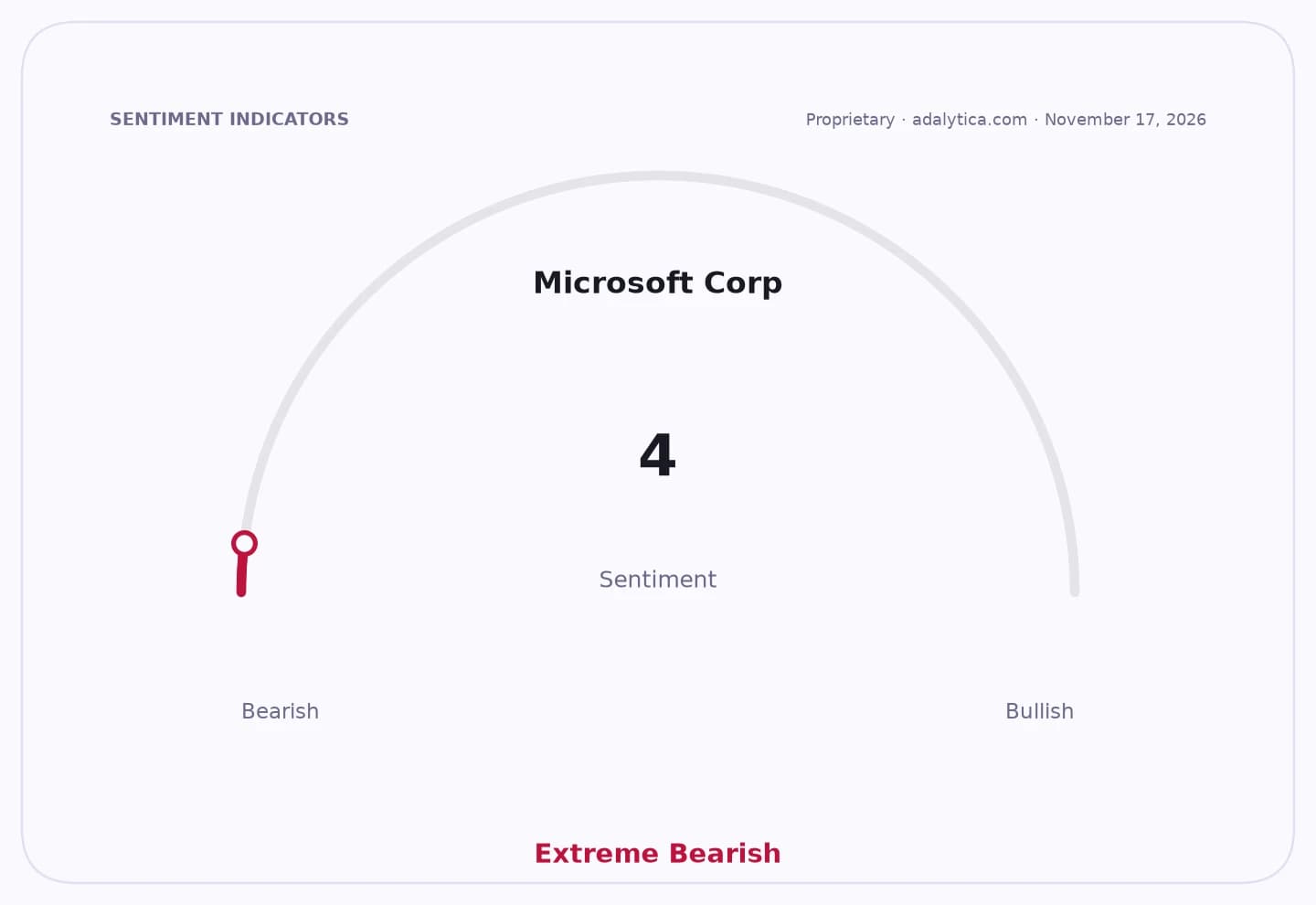
The move comes as AI sentiment remains weak by proprietary measures. Adalytica’s AI sentiment snapshot shows “Extreme Fear” at 4, with awareness neutral, suggesting investors are still cautious on the sector despite continued product rollout and platform-building. Microsoft’s own sentiment reading is also in “Extreme Fear,” underscoring how quickly enthusiasm can swing when the market questions whether AI spending is translating into durable returns.
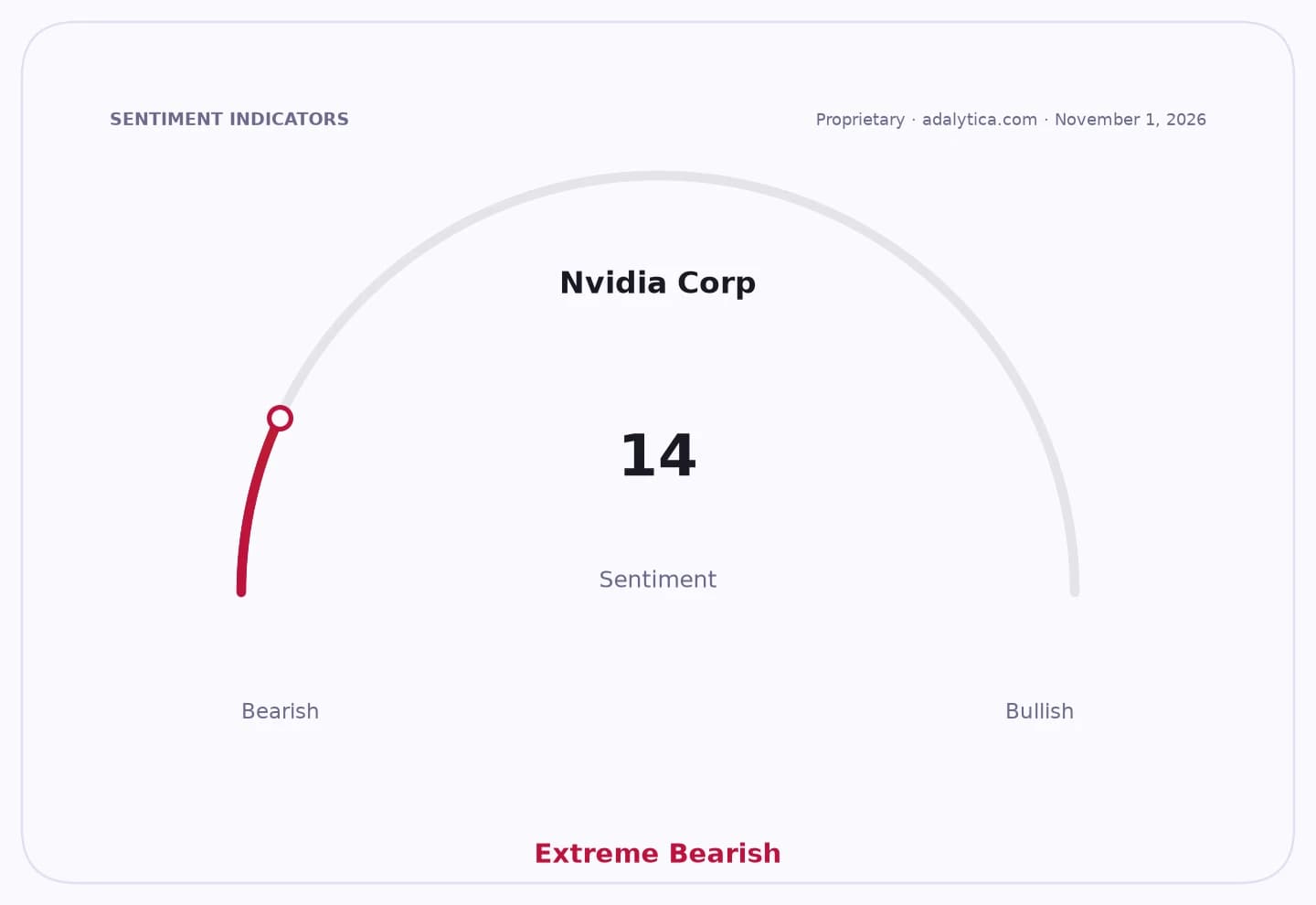
In the stock market, the backdrop is mixed. Microsoft shares have fallen back to $498.30 from an early-November high above $550, and are trading below their 50-day moving average, while Nvidia has been hit even harder, sliding to $145.98 from above $220 and remaining far beneath its 50-day average. Standard technical indicators point to oversold conditions for both, but the broader message is that investors are demanding clearer evidence that AI products are driving revenue, margins or platform control. A cleaner, more useful ChatGPT mobile experience would be one piece of that argument.
The next test is adoption. If users embrace the new layout and begin using the agent tab as a default entry point, OpenAI could strengthen its hold on consumer AI workflows and reinforce the case for paid tiers. If the redesign feels like interface churn, it may do little more than add visual polish to a product that still needs to prove it can translate AI enthusiasm into durable business value.
| Entity | Gains | Losses |
|---|---|---|
| OpenAI | ▲Higher engagement | ▼Interface complexity risk |
| ChatGPT Pro users | ▲Easier access to agents | ▼Learning curve |
| Microsoft | ▲Stronger OpenAI ecosystem | ▼Pressure to show returns |
| Rivals | ▲Slower if OpenAI wins habits | ▼Share of attention |