OpenAI’s purchase of an AI biotech startup underscores how quickly artificial intelligence is moving from text and code into one of the most capital-intensive parts of the economy: drug development.
OpenAI Buys AI Biotech Startup
Artificial Intelligence
The deal matters because pharmaceuticals are a high-value proving ground for AI, where shaving time off target identification, molecule design and trial optimization can translate into billions of dollars in saved research costs and faster revenue for drugmakers. For OpenAI, the acquisition broadens its ambition beyond general-purpose software and into regulated, enterprise-grade science workflows, an area where the payoff can be large if the models deliver real experimental productivity rather than just faster screening.
Sentiment Indicators
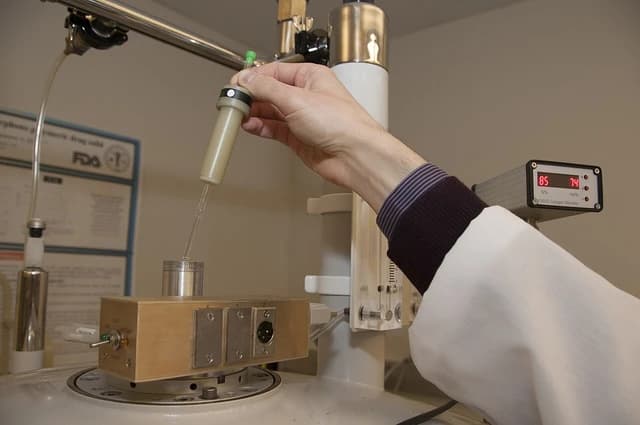
The move also fits a broader pattern across the sector. AI is increasingly being used to compress the long, expensive path from hypothesis to clinic, with recent examples including UCLA’s MAESTRO system identifying drug combinations for prostate cancer and AstraZeneca’s partnership with Oracle to improve clinical trials. Those use cases do not eliminate the scientific and regulatory bottlenecks that still dominate drug development, but they can improve the odds and lower the cost of failure in an industry where attrition rates remain notoriously high.
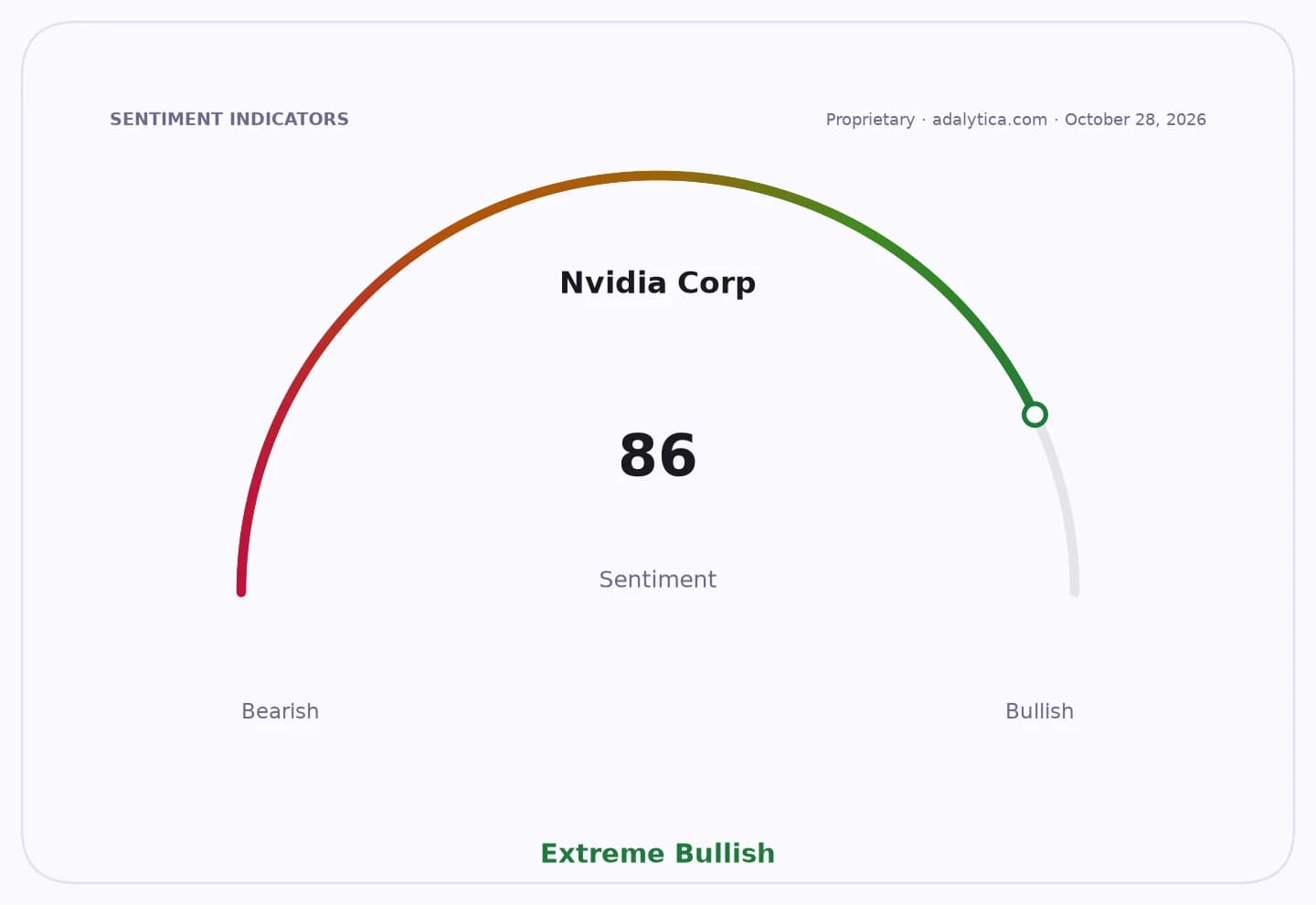
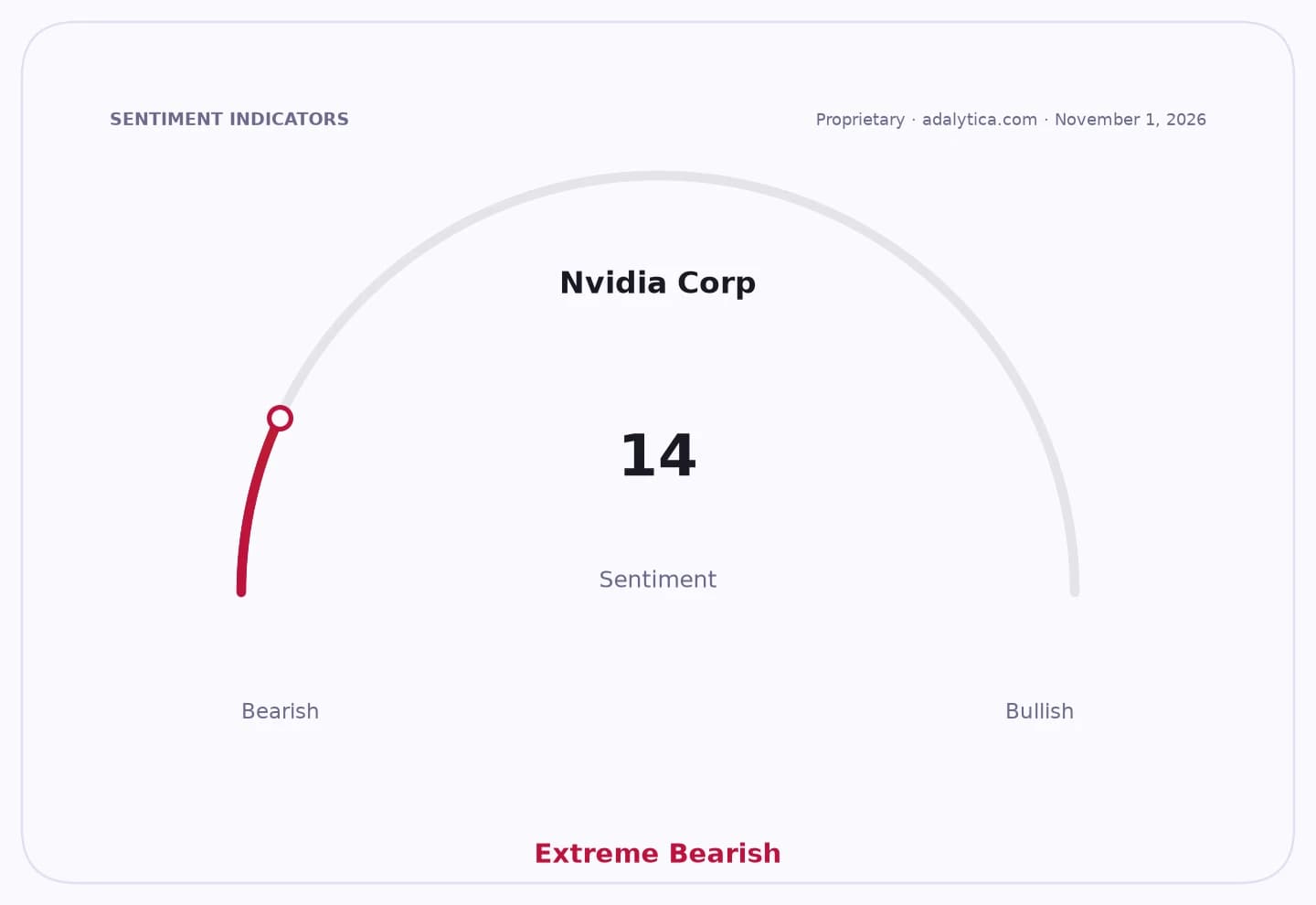
For investors, the strategic significance is twofold. First, it reinforces the investment case for the AI infrastructure stack, since more specialized scientific models still rely on large-scale compute, networking and storage. That matters for companies such as Nvidia, whose shares have been volatile but remain far above their long-term trend despite recent technical weakness, with the stock still holding above its 200-day moving average even after pulling back from higher levels. Second, it raises the competitive bar for life-sciences software and research tools, potentially pressuring incumbents that are not building AI-native products quickly enough.
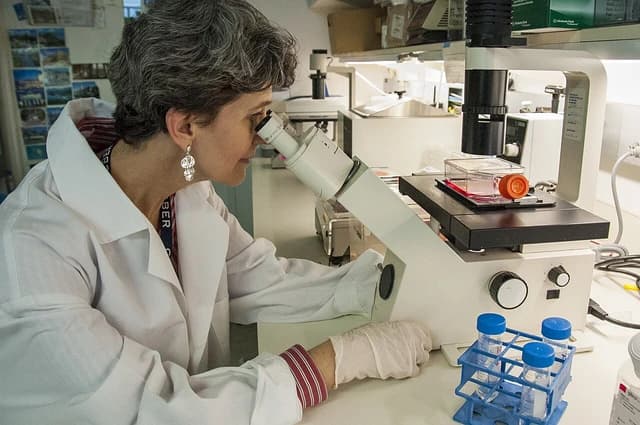
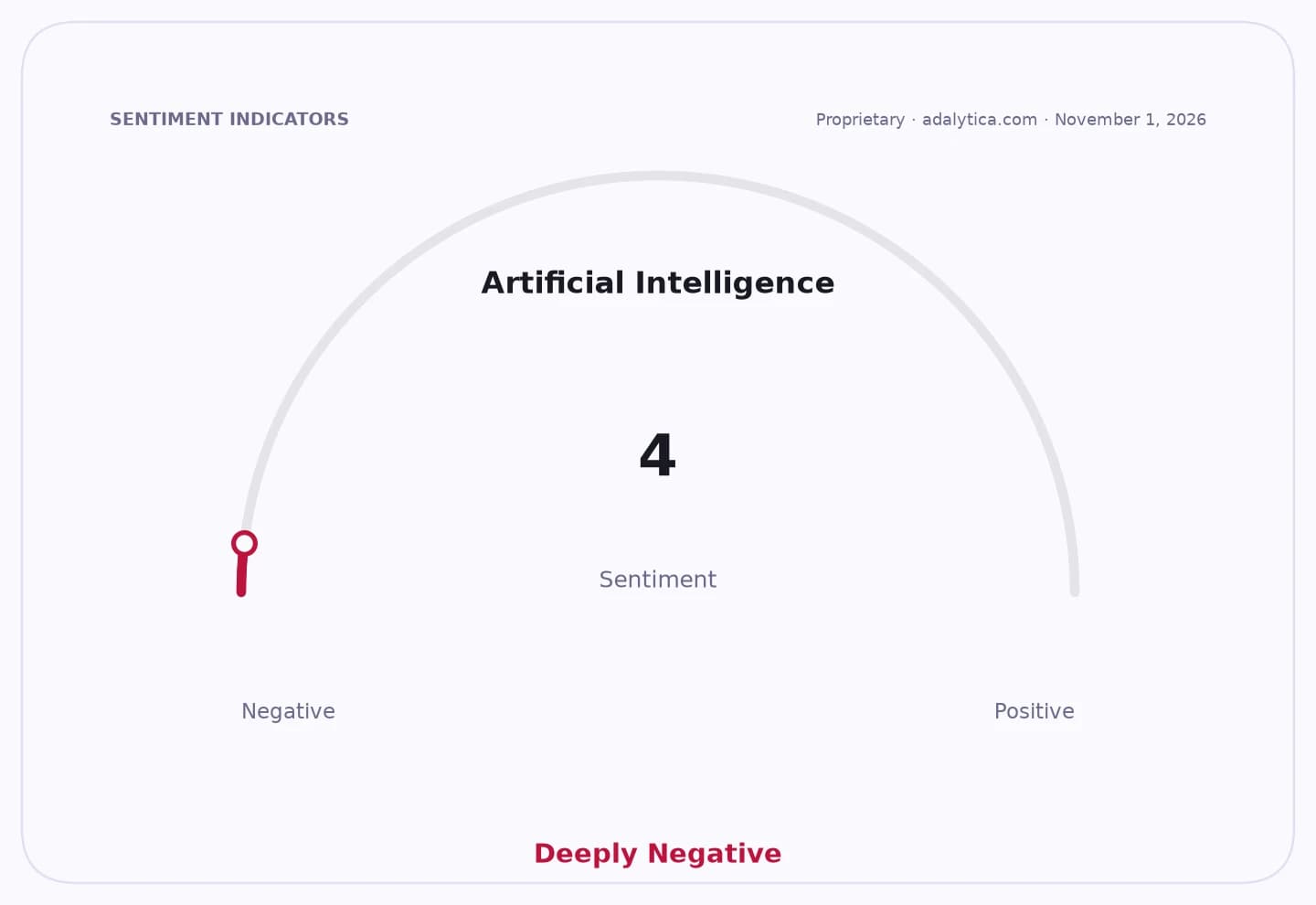
The market is also reading the announcement through a broader AI lens. Adalytica’s AI sentiment gauge shows greed even as awareness remains in extreme fear, a combination that suggests enthusiasm for the theme is high but conviction around specific commercial outcomes is still uneven. Microsoft, OpenAI’s key backer and partner, is trading near record territory and its own sentiment snapshot sits in extreme greed, reflecting investor confidence that AI demand is broadening beyond chatbots into enterprise workflows.
The bull case is that this is exactly how AI becomes durable: by embedding itself in high-value scientific labor where output can be measured in shorter timelines, lower R&D spend and better probability-adjusted returns. The bear case is that drug discovery is a tough arena for software companies, with years-long validation cycles, regulatory scrutiny and data-quality problems that can quickly expose hype. The real test for OpenAI will be whether the acquisition produces tools that biotech companies, pharma groups and research labs will pay for at scale.
If OpenAI can prove its models improve real-world drug development, the acquisition could mark another step in AI’s move from general productivity software to industrial research infrastructure. If not, it will still be a sign of where the next wave of AI competition is headed: into the hardest, highest-value corners of the economy.
| Entity | Gains | Losses |
|---|---|---|
| OpenAI | ▲Biotech credibility | ▼Short-term integration risk |
| Drug developers | ▲Faster research workflows | ▼Dependence on AI vendors |
| Nvidia | ▲More AI compute demand | ▼Valuation risk if adoption slows |
| Legacy life-science tools | ▲Nothing immediate | ▼Share of workflow spend |