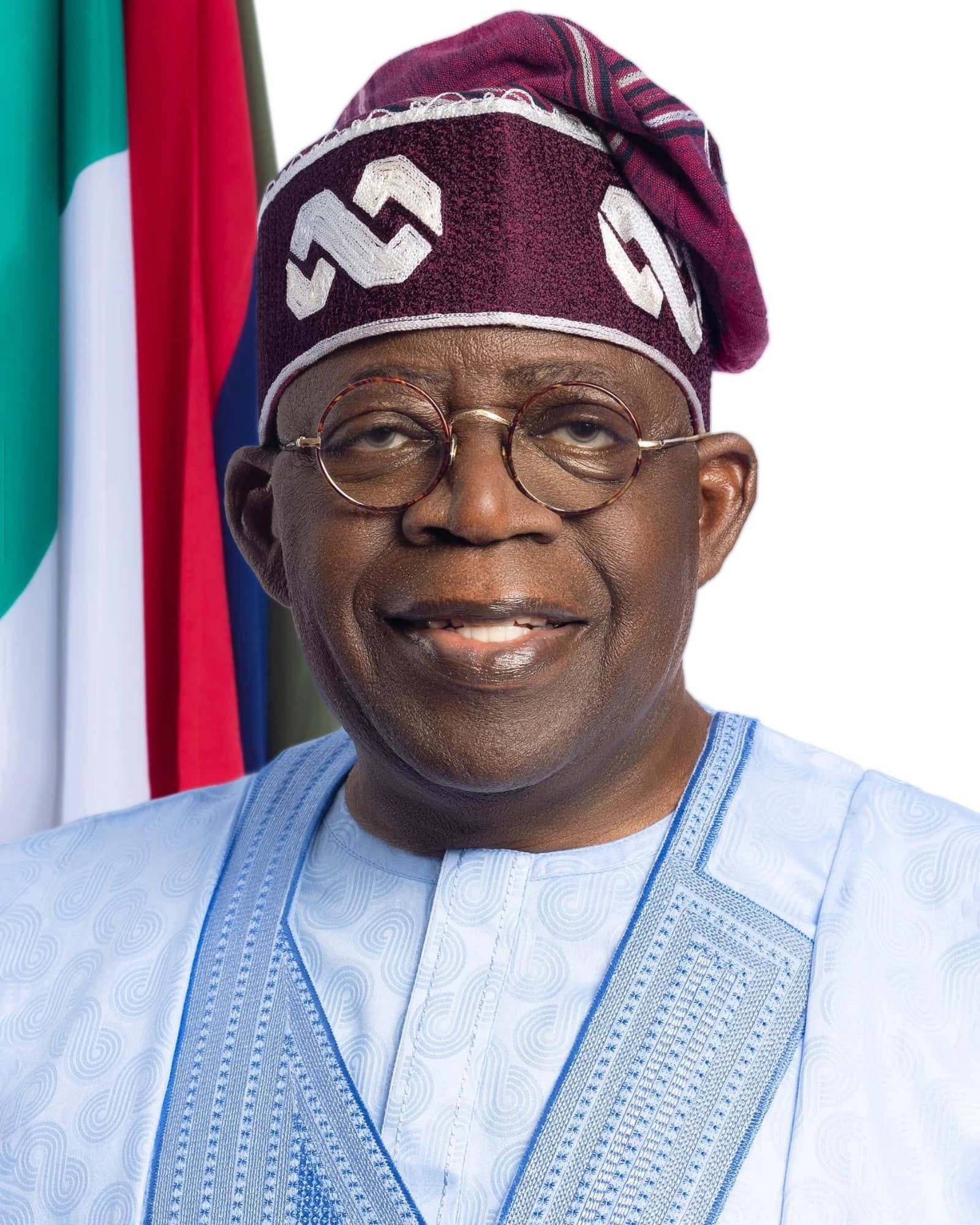
A credible 2027 vote in Nigeria could leave President Bola Tinubu with victories in only two states, a stark warning from Peoples Redemption Party chairman Hakeem Baba-Ahmed that underscores how quickly political discontent is hardening ahead of the country’s next general election.
Nigeria 2027 Election Risks and Tinubu Outlook
The claim matters because Nigeria’s 2027 contest is shaping up as more than a routine incumbency test: it is becoming a referendum on the Tinubu administration’s handling of the economy, security and living costs, with opposition parties trying to convert public frustration into a viable national coalition. If that anger translates into ballots, the ruling All Progressives Congress could face a much tougher fight than it did in 2023.
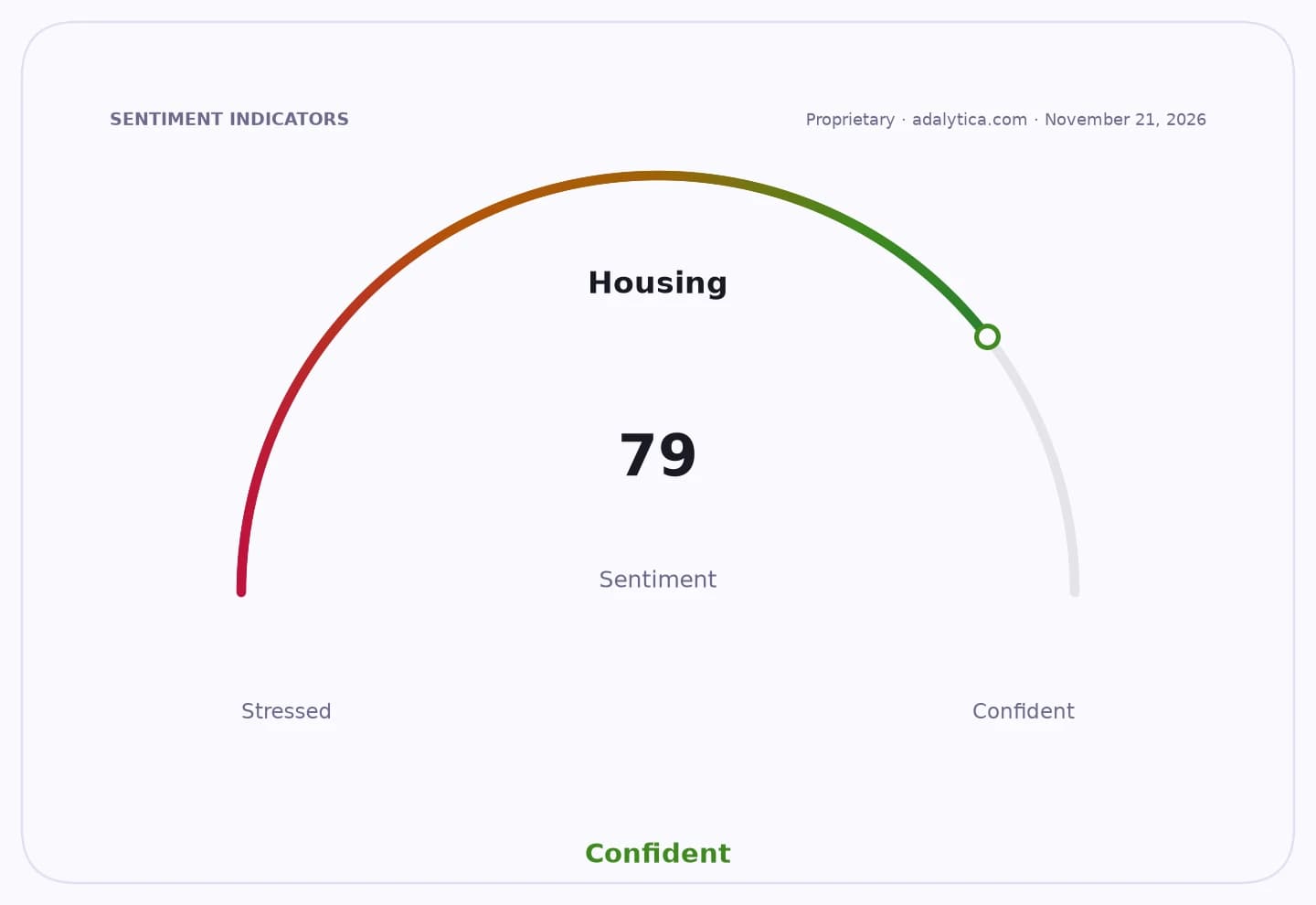
Sentiment Indicators
Baba-Ahmed’s remarks also highlight a central risk for investors in Africa’s largest economy: political instability can slow reform momentum, complicate fiscal consolidation and make policy execution more uneven. Nigeria’s currency, inflation path and sovereign risk premium all depend in part on whether the government can preserve political capital while pushing unpopular measures. A weakening mandate would make that balance harder.
He argued that dissatisfaction with the federal government is not confined to the north and that some voters who backed Tinubu in 2023 may reverse course if they judge his first term harshly. That is significant because it suggests the opposition’s challenge is not merely regional but national, raising the prospect of a broader anti-incumbency wave if economic pain remains elevated.
The PRP chairman said his party is already in talks with the PDP, SDP, ADC, APM and NDC to build a coalition aimed at unseating the APC. That coalition effort matters because Nigeria’s opposition has often struggled to unite around a single message or candidate. If those parties can coordinate, the election becomes less about protest voting and more about assembling a credible alternative with enough reach to challenge the ruling party in multiple regions.
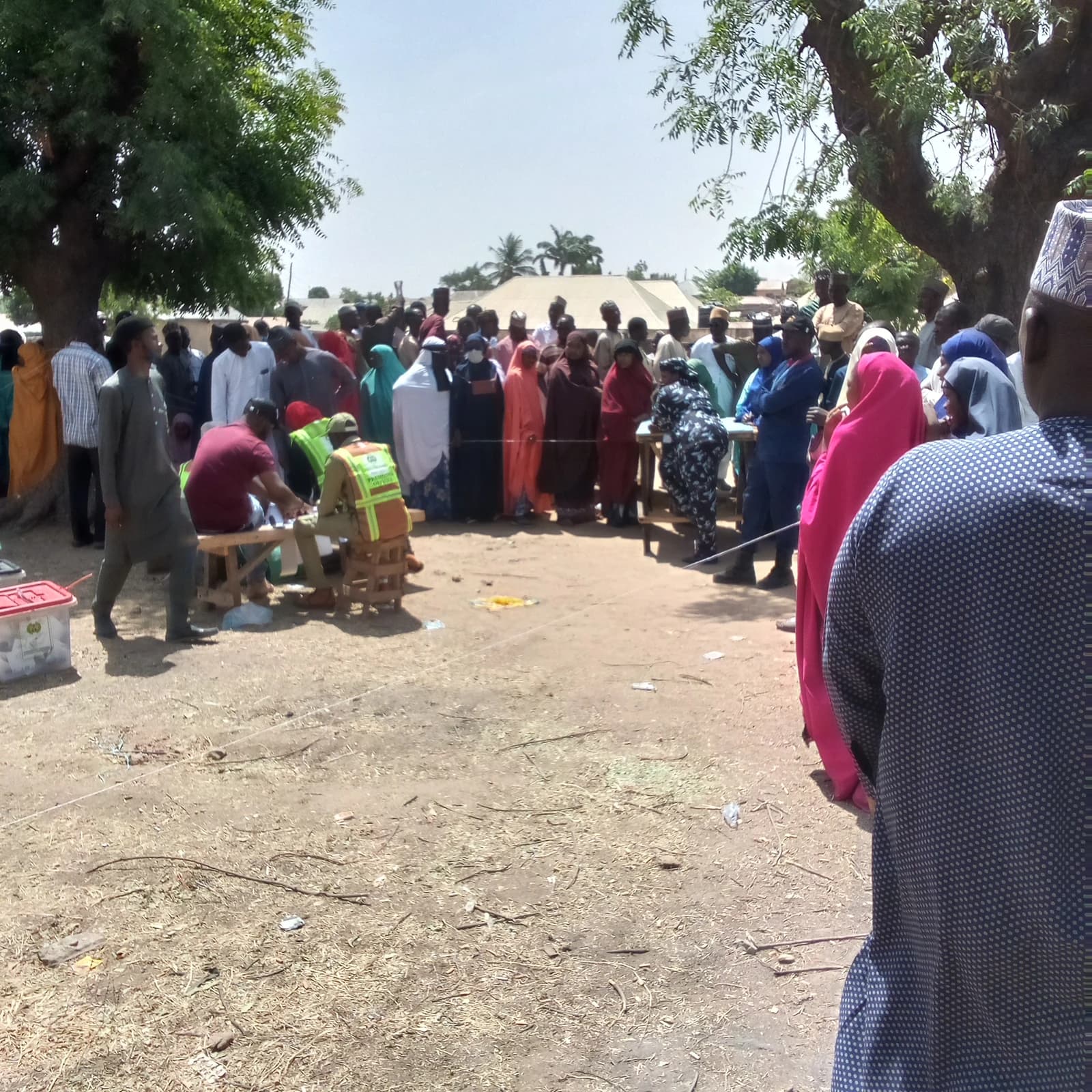
For markets, the near-term read-through is that the political backdrop is deteriorating even before campaign season begins in earnest. Nigeria’s broader election environment is already drawing scrutiny over fraud, misinformation and political violence, and any perception that the contest is becoming more confrontational could add to risk aversion around Nigerian assets.
The bullish case for Tinubu is that incumbency, patronage and the APC’s state-level machinery can still outweigh dissatisfaction, especially if the government can show progress on inflation, growth and security before 2027. The bear case is that prolonged economic stress, combined with opposition unity and stronger voter mobilisation, could turn the election into a rejection of the status quo.
What investors should watch next is whether the opposition can maintain cohesion, whether Tinubu’s economic reforms start to produce visible relief for households, and whether pre-election tensions begin to spill into fiscal or market volatility. In Nigeria, politics and pricing power are closely linked, and Baba-Ahmed’s warning suggests that link may become even more important over the next year.
| Entity | Gains | Losses |
|---|---|---|
| Opposition coalition | ▲Broader anti-APC momentum | ▼Fragmentation if talks fail |
| APC/Tinubu | ▲Incumbency advantage | ▼Approval risk, tighter 2027 race |
| Nigerian voters | ▲More credible choice | ▼Higher campaign volatility |
| Investors in Nigerian assets | ▲Potential policy clarity if transition is orderly | ▼Risk premium if tensions rise |