Nepal’s property market delivered a record Rs 11.95 billion in transaction revenue in Asar, but the windfall looks more like a deadline-driven scramble to beat a capital gains tax hike than a sign of a broad real estate recovery.
Nepal property transactions hit record Rs 11.95 billion

The spike matters because it tells policymakers the housing market is still being driven by tax timing and cash-preservation behavior, not stronger underlying demand. For investors and developers, that means activity can jump sharply before a policy change and then fade just as fast once the higher tax takes effect.
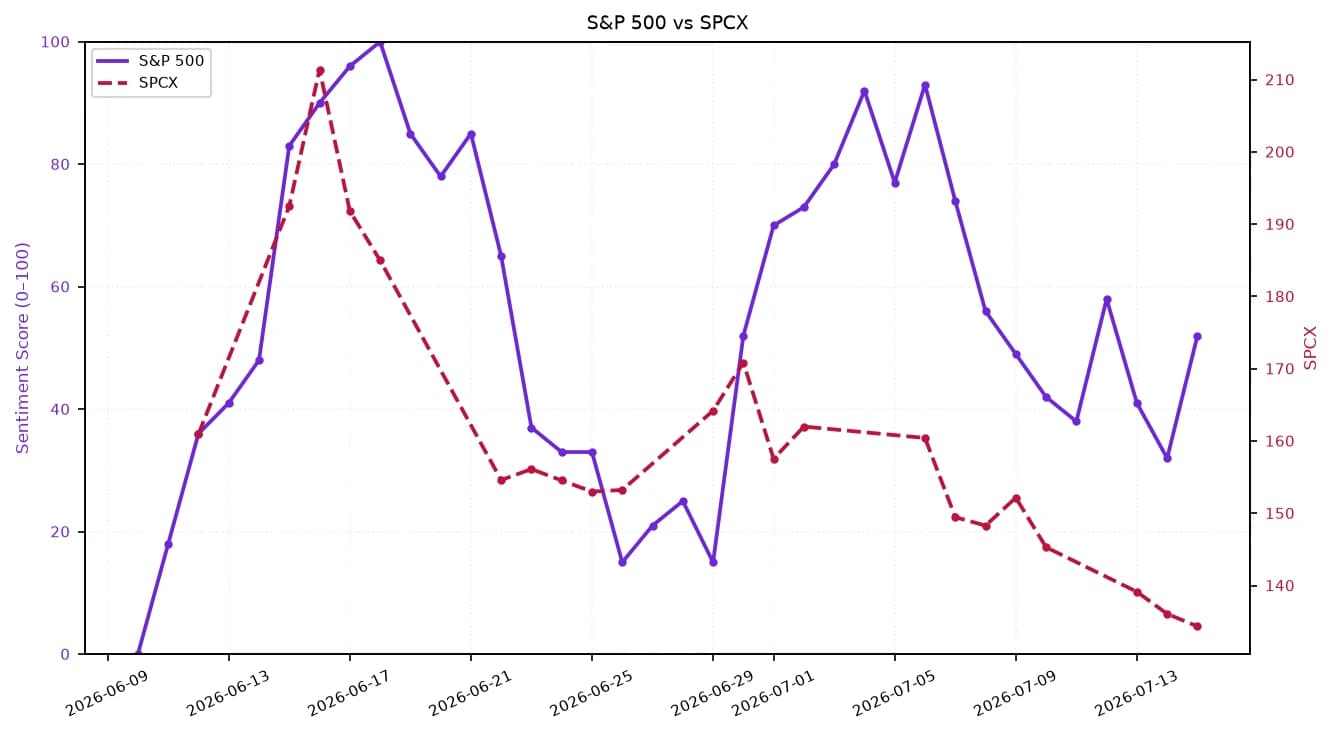
Sentiment IndicatorsⓘProprietary · adalytica.com · September 21, 2026
This is a snapshot — live sentiment, awareness and momentum for 130+ markets update continuously in the dashboard.Open AlphaPulse
Officials and data analysts said the surge was concentrated around the looming tax change, which prompted buyers and sellers to rush deals through before rates reset. That kind of front-loading can temporarily lift government collections and transaction volumes, but it does not necessarily translate into better pricing power, healthier credit demand or sustained construction activity.
The reading also lands against a fragile economic backdrop in Nepal, where severe floods and mudslides have damaged farmland, disrupted planting and added pressure to rural incomes. That weakens the case for a broad-based property rebound, especially outside the main urban centers where household cash flow and sentiment are already under strain.
For the market, the immediate takeaway is that the record monthly collection may flatter the real estate sector’s health just as it masks the cost of the tax change. Once the deadline effect passes, transaction volumes could normalize or soften, leaving lenders, brokers and developers to deal with a thinner pipeline.
The policy test now is whether Kathmandu can sustain revenue gains without choking activity in a market that still depends heavily on timing, financing conditions and consumer confidence.
| Entity | Gains | Losses |
|---|---|---|
| Nepal government | ▲Higher short-term revenue | ▼Risk of post-hike slowdown |
| Buyers and sellers rushing deals | ▲Lower tax bill before deadline | ▼Less time to transact |
| Developers and brokers | ▲Near-term volume spike | ▼Weaker demand after rush |
| Long-term property market | ▲None | ▼Distorted pricing and activity |