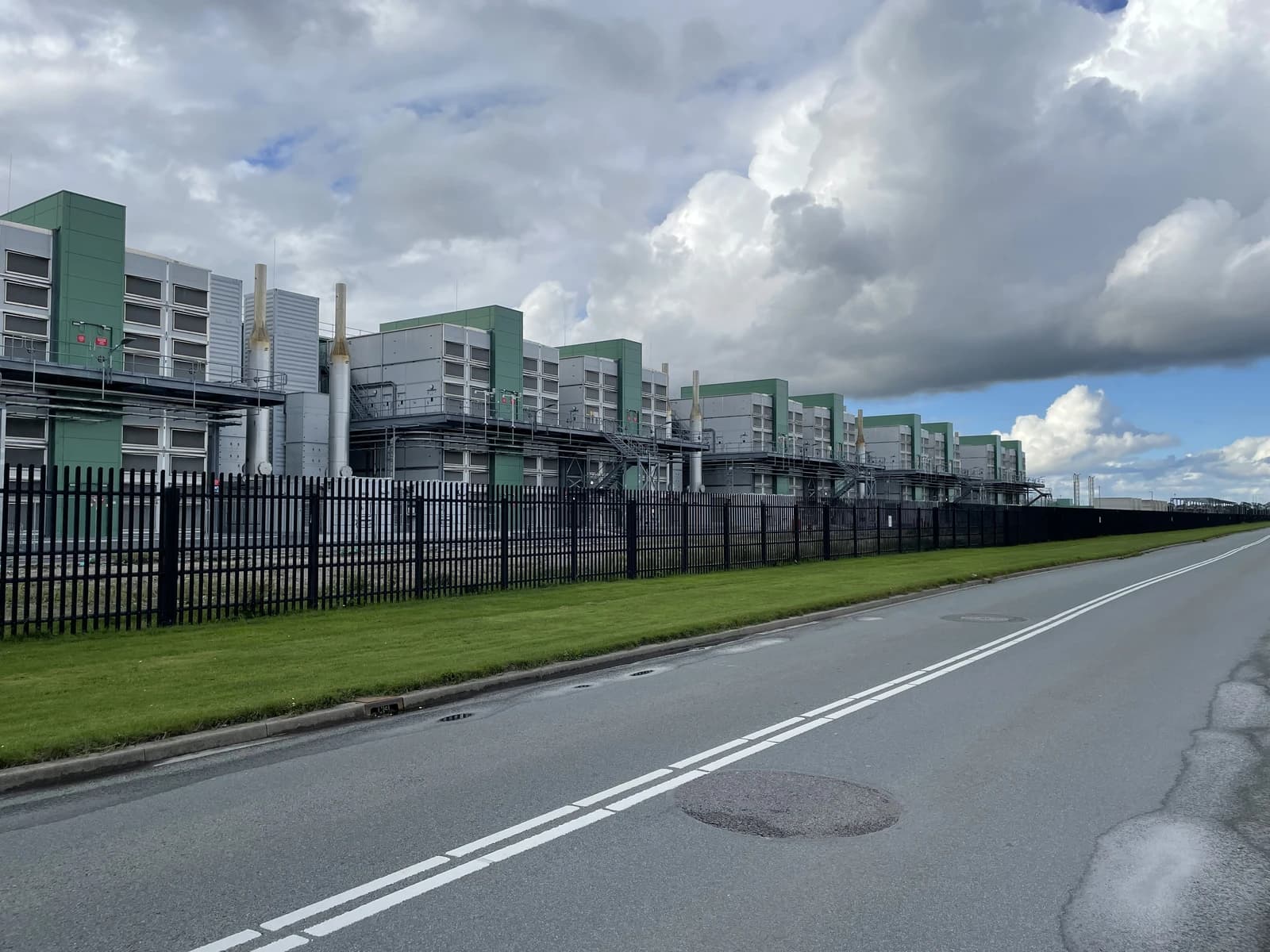
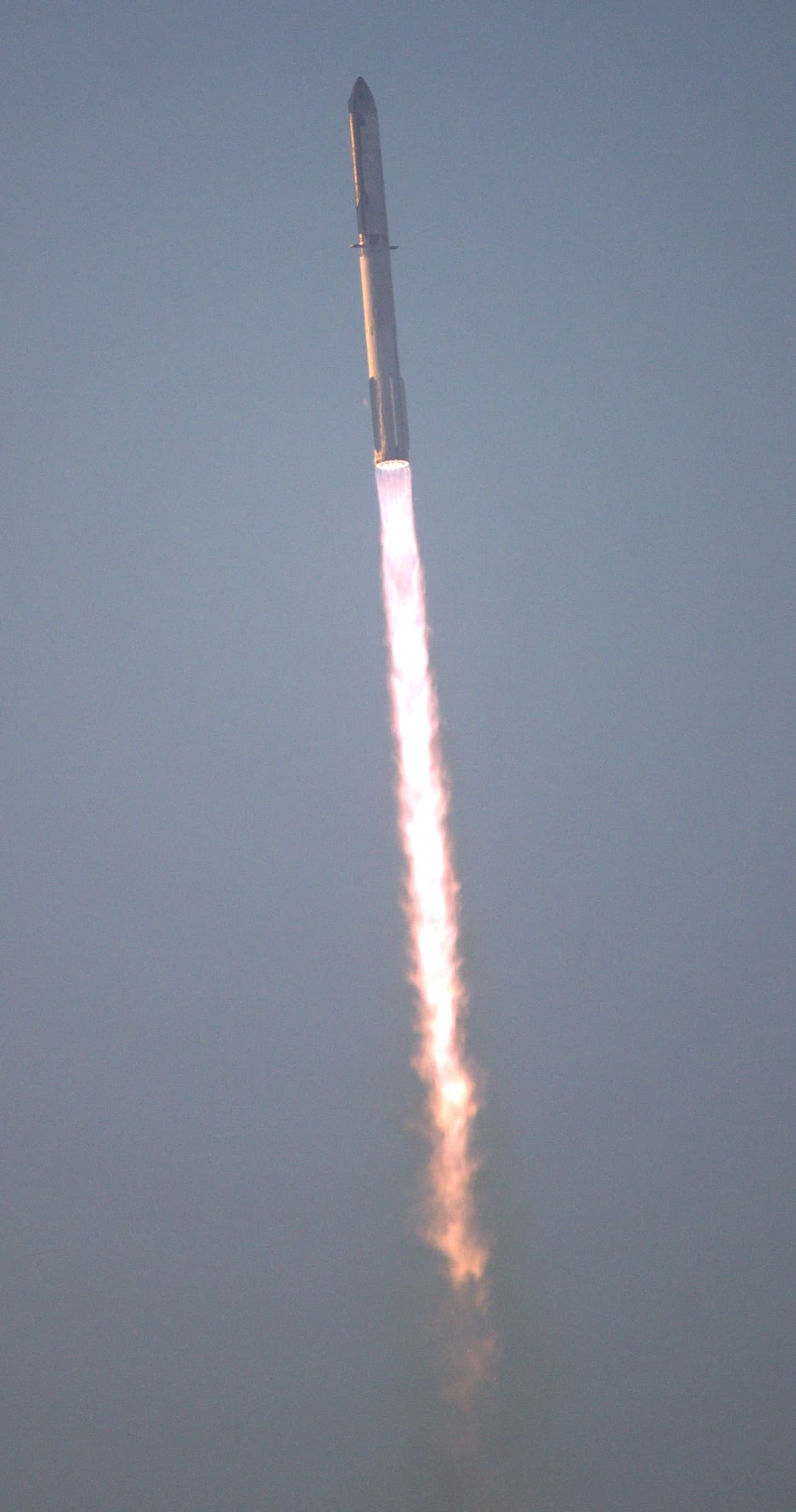
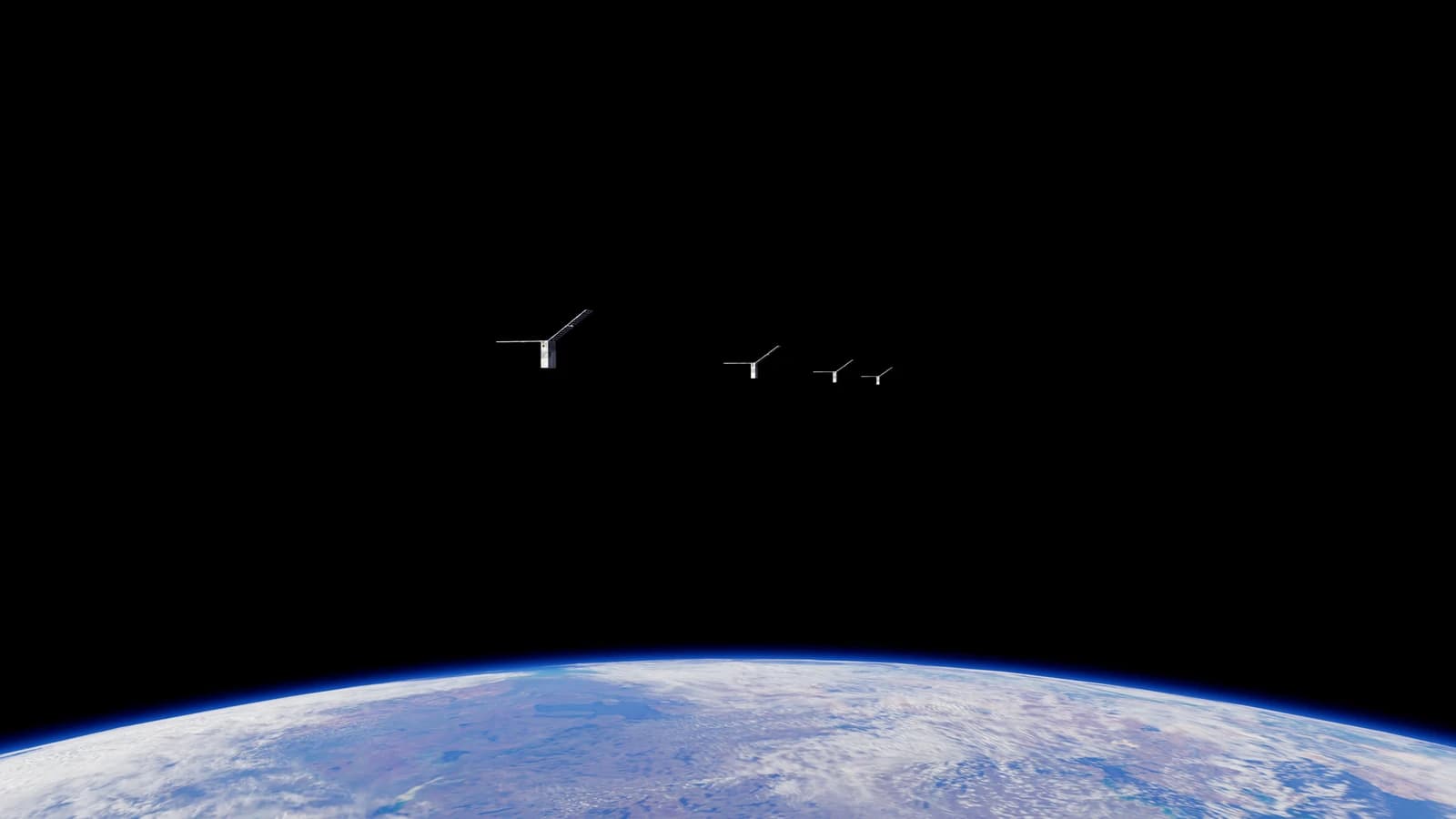
Elon Musk is pushing his AI wager beyond Earth, saying computing capacity deployed in orbit could overtake new terrestrial data center installations by late 2028, a bold forecast that extends the AI infrastructure race into space and raises the stakes for Nvidia, Microsoft and other chip and cloud suppliers.
Musk Says Orbital AI Could Rival Data Centers by 2028
The claim matters because it suggests the next phase of AI growth may be constrained less by model performance than by power, land and cooling — the bottlenecks now driving trillions of dollars of investment in onshore data centers. If Musk’s timeline proves even partly right, it would create a new demand path for advanced semiconductors, launch services and energy-intensive systems, while threatening to divert some long-term spending away from conventional cloud buildouts.
Sentiment Indicators
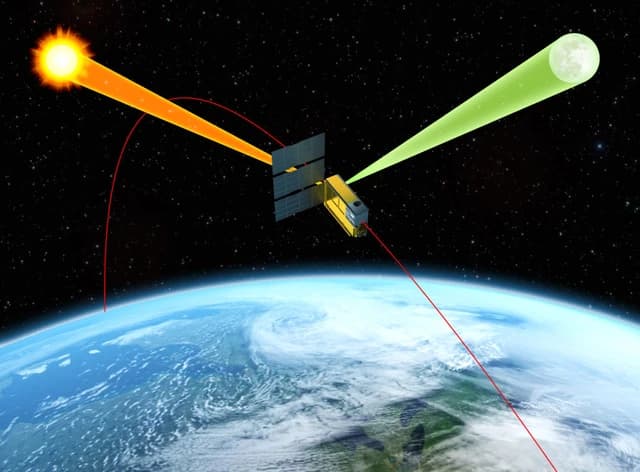
Musk’s vision links SpaceX’s launch and satellite capabilities with xAI’s attempt to compete against entrenched AI platforms, including Microsoft’s. It also fits a broader industry theme: the AI buildout is increasingly limited by the physical cost of scaling infrastructure, a point underscored in recent filings from chipmakers and cloud providers that warn about power, land, construction and supply-chain constraints.
Investors are likely to treat the statement less as an immediate revenue forecast than as a signal that Musk sees AI infrastructure as a multi-domain arms race, not just a server-farm story. That keeps attention on Nvidia, whose shares fell to $204.64 on Friday after a sharp two-day slide and whose technical indicators now show the stock below its 50-day moving average with RSI readings near oversold territory, as well as on Microsoft, which closed at $521.91 and remains above both its 50-day and 200-day moving averages despite a recent pullback.
The market backdrop also shows how volatile sentiment around AI has become. Adalytica’s AI sentiment snapshot is at 4, labeled Extreme Fear, after a 96-point drop over 30 days, while Nvidia’s earnings sentiment sits at 14, also Extreme Fear, reflecting investor anxiety even as the long-term AI capex cycle remains intact.
For now, orbital AI is still a concept rather than a commercial business line, and Musk did not provide deployment details, pricing or customer commitments. But the idea points to a future catalyst for the sector: if launch costs keep falling and on-orbit computing becomes technically viable, the next fight for AI spending may be over who controls the infrastructure above the atmosphere, not just inside the cloud.
| Entity | Gains | Losses |
|---|---|---|
| SpaceX / xAI | ▲New AI infrastructure narrative | ▼Near-term execution risk |
| Nvidia | ▲Potential orbital chip demand | ▼Capex volatility fears |
| Microsoft | ▲Sector validation for AI demand | ▼Competition from Musk platforms |
| Traditional data centers | ▲None | ▼Long-term spending share |