Mortgage Professionals Canada has named a new board for 2026-2027, but the more important story is that Canada’s mortgage industry is doubling down on advice, compliance and advocacy at a time when borrowing decisions remain unusually complex.
Mortgage Professionals Canada Names New 2026-2027 Board
Kuljit Singh will succeed Maxime Stencer as chair after members elected the association’s new directors at its annual general meeting. The transition is not just a routine governance change: MPC is putting a leadership team in place while it searches for a new president and chief executive after Lauren van den Berg’s departure, leaving the board with added influence over strategy just as the housing and lending backdrop remains under strain.
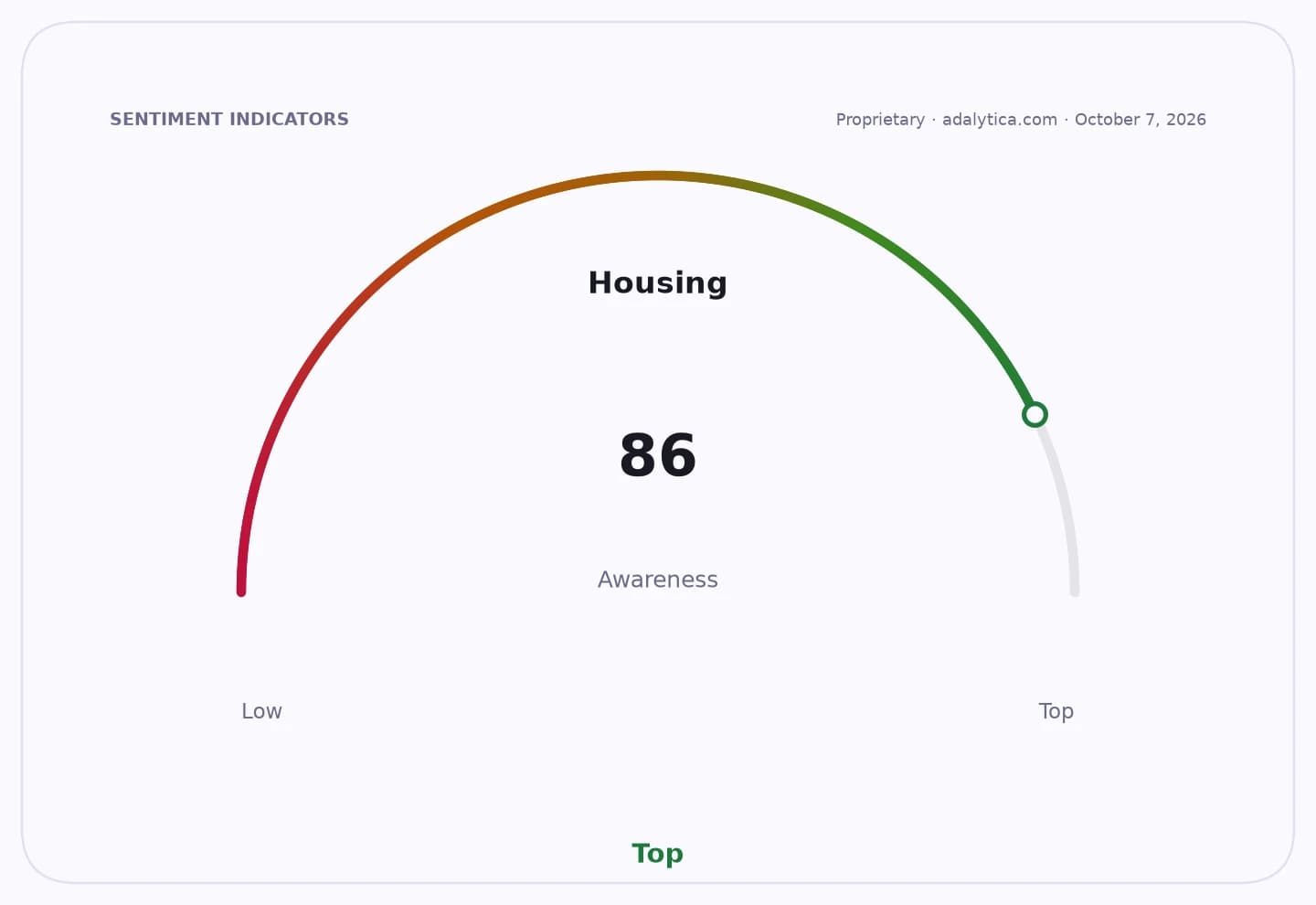
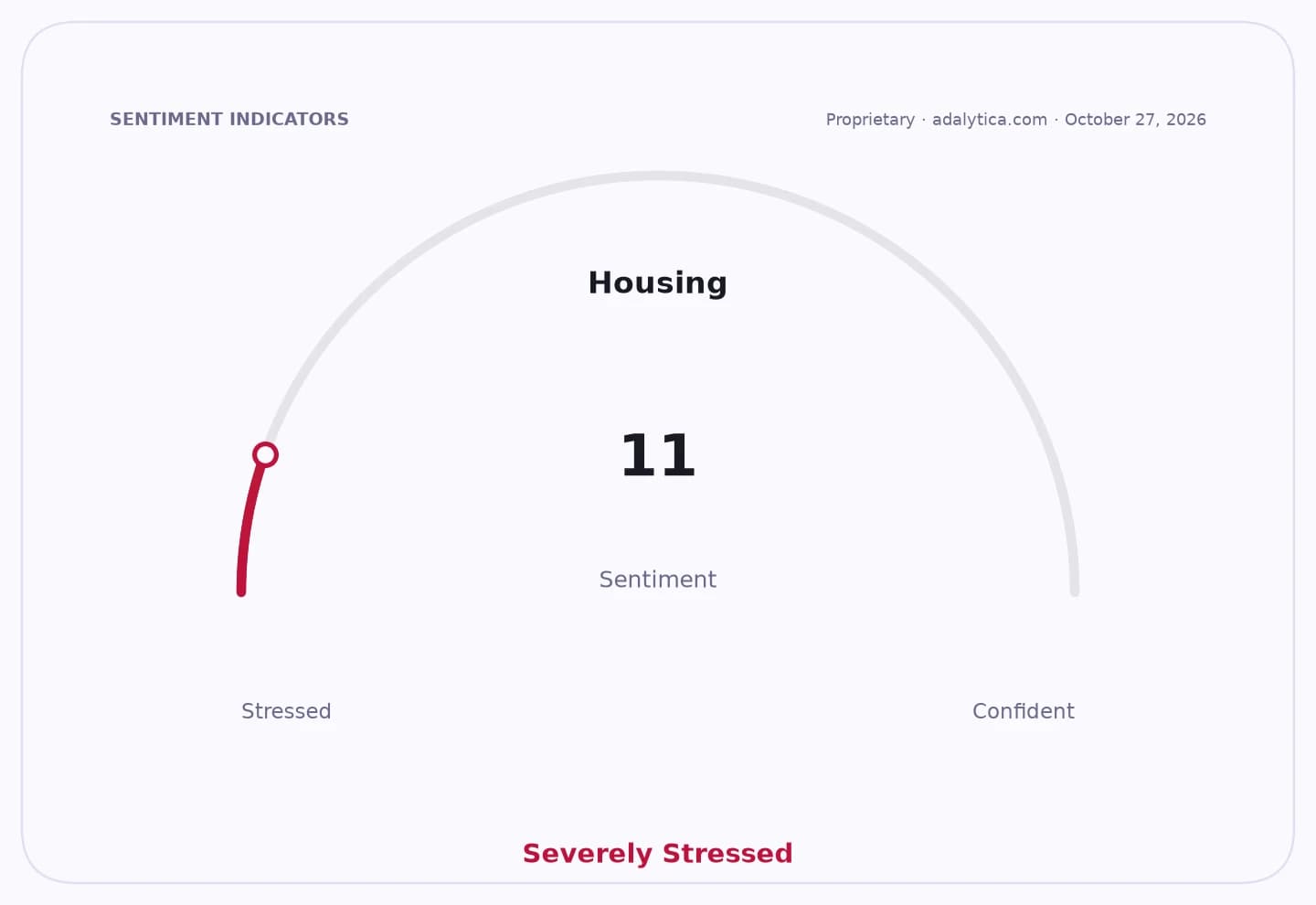
Sentiment Indicators
For lenders, brokers and consumers, the timing matters. Mortgage advice has become more valuable as households face higher-for-longer borrowing costs, tighter qualification standards and ongoing affordability pressure. MPC’s incoming chair said Canadians need “trusted advice, choices, and people” to navigate increasingly complex decisions, a line that captures the sector’s pitch to retain relevance as digital distribution, bank pricing pressure and policy scrutiny reshape the market.
The association is also leaning harder into the regulatory and political battles around housing supply, affordability and fraud prevention. Under Stencer, MPC expanded practical education, including a FINTRAC compliance course and micro-credentials on borrowers in financial distress, mortgage suitability and appraisals. It also pushed broker promotion through Sportsnet and HGTV and kept up its partnership with the Professional Women’s Hockey League, signalling an effort to strengthen consumer recognition of the broker channel while regulators and policymakers focus on market conduct.
That advocacy push is economically relevant because mortgage origination is central to the transmission of monetary policy into the real economy. When rates are elevated, households are more sensitive to renewal shocks, loan affordability and credit availability, which in turn affects home sales, consumer spending and bank balance sheets. By pressing affordability and fraud prevention with Ottawa and the provinces, MPC is trying to shape the conditions under which mortgage credit flows through the economy.
The leadership change also arrives as the major Canadian banks remain exposed to housing and household leverage, even if credit quality has held up better than many feared. Royal Bank of Canada, Bank of Montreal and Toronto-Dominion have all seen their shares swing over the past year as investors weighed rate cuts, loan growth and provisions against margin pressure and a slowing housing market. For those lenders, a stronger broker channel can support origination volumes, but it can also increase competition and amplify scrutiny around suitability and compliance.
Singh’s task will be to balance those competing forces while steering the CEO search and keeping members aligned. If MPC can convert its education and lobbying push into more broker relevance, it may strengthen the industry’s position in a market where consumers are searching for guidance. If not, the association risks becoming a louder advocate than an effective one at a moment when housing affordability, mortgage renewals and regulatory reform are all moving in the same direction.
| Entity | Gains | Losses |
|---|---|---|
| Mortgage Professionals Canada | ▲clearer leadership transition | ▼leadership uncertainty |
| Mortgage brokers | ▲stronger consumer positioning | ▼heavier compliance burden |
| Canadian banks | ▲steadier mortgage distribution | ▼more broker competition |
| Homebuyers and borrowers | ▲more advice and choices | ▼no relief from affordability pressure |