Morocco’s biggest economic story is no longer the 2030 FIFA World Cup itself, but the investment cycle it has set off across airports, rail, hotels and real estate, creating what local developers and global hotel brands describe as a multi-year opportunity that should outlast the tournament.
Morocco World Cup spending lifts hotels and real estate
The scale is striking. Morocco’s Finance Ministry has earmarked a record MAD380 billion, or $38 billion, for public investment in 2026, while foreign direct investment receipts reached an all-time high of MAD56 billion in 2025. Those flows are being channelled into infrastructure that changes the economics of the tourism and property market, not just the optics of hosting a mega-event.
Sentiment Indicators
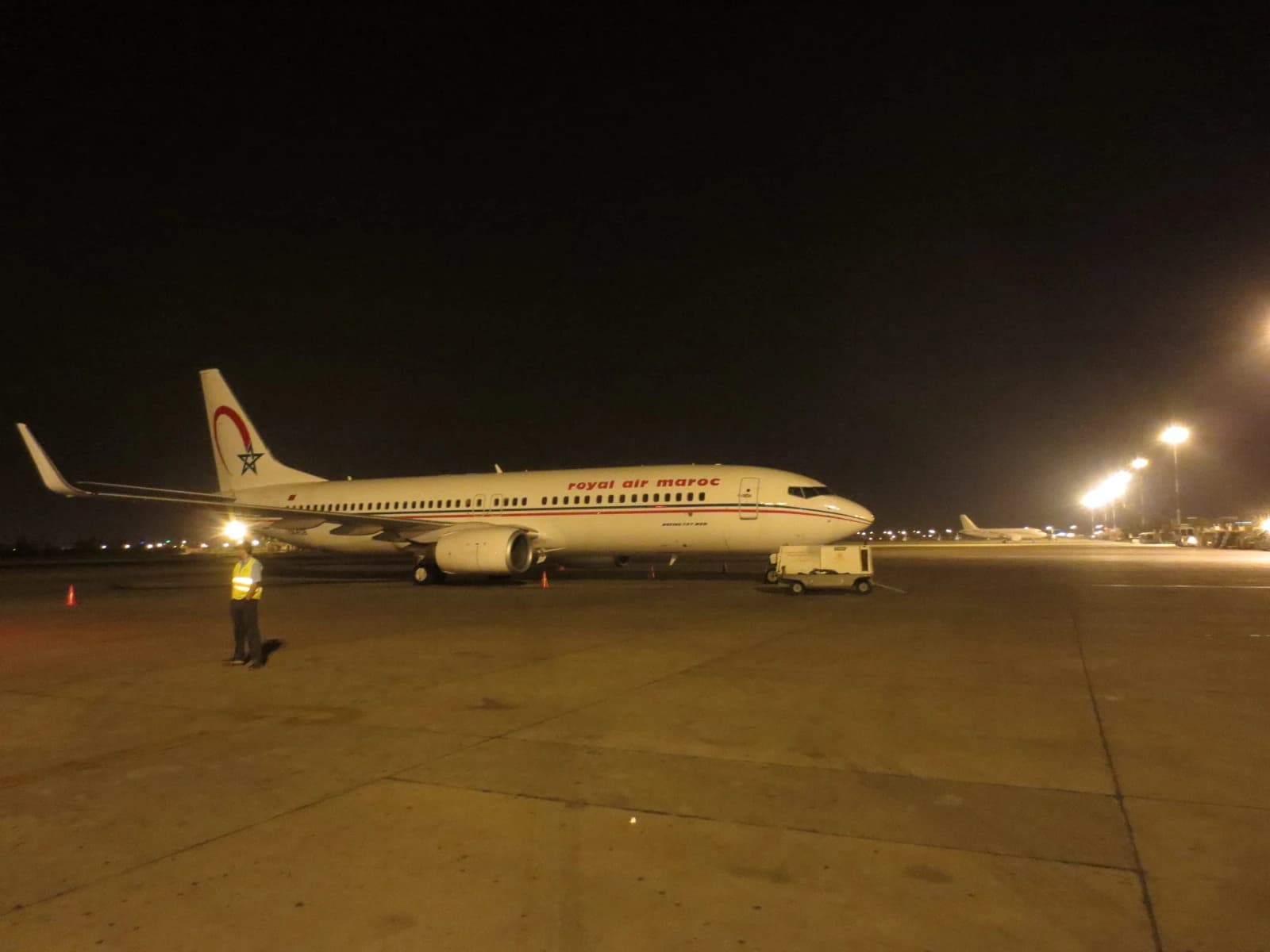
The clearest example is Casablanca, where a MAD15 billion upgrade to Mohammed V airport will raise annual capacity from 14 million to 35 million passengers. That will be paired with a MAD96 billion rail programme and stadium works, including the new 115,000-seat Hassan II Stadium in El Mansouria and commuter links to the airport. For investors, that combination matters because it reduces one of the biggest constraints on hospitality markets: access.
It also supports a broader thesis that Morocco is building for demand well beyond 2030. Officials want annual visitor numbers above 30 million and more than 60,000 additional hotel beds by the end of the decade. That target is already pulling in both local capital and international operators, with Marriott, Hilton, Accor, IHG and Wyndham all positioning Morocco as a growth market in their Africa strategies.
Local balance sheets are starting to respond. Casablanca-listed RISMA raised MAD450 million in January 2026 to fund expansion toward 28 hotels by 2030, and the fundraising was heavily oversubscribed, a sign that institutional investors see the sector as a beneficiary of structural rather than cyclical growth. For property owners and developers, the pitch is that higher passenger volumes, better rail connectivity and event-driven tourism should improve occupancy, pricing power and the bankability of new projects.
The timing also helps explain why the summit in Casablanca is drawing more than 300 hospitality, tourism and real estate leaders. The market is not just betting on hotel rooms for a few weeks of football. It is betting on a broader re-rating of Morocco’s urban, leisure and mixed-use assets as transport bottlenecks ease and capital markets deepen.
That said, the bull case is not without risks. World Cup-related spending can crowd out returns if supply is built too quickly, while financing costs, execution delays and weak project governance can erode margins. The more cautious argument is that some of the current enthusiasm is already priced into land values and development pipelines. But the bear case looks less compelling while Morocco continues to post record public investment, strong FDI and a steady stream of deliverable infrastructure.
For investors, the key takeaway is that Morocco is becoming a long-duration hospitality and real estate theme, not a one-off event trade. The winners are those positioned to own, finance or operate assets linked to mobility, tourism and branded accommodation; the losers are developers and landlords tied to older, less connected stock that cannot capture the new flows.
| Entity | Gains | Losses |
|---|---|---|
| Morocco government | ▲Higher FDI and tourism receipts | ▼Budget pressure from capex |
| Hotel operators and brands | ▲More rooms and stronger demand | ▼Execution and overbuild risk |
| Developers and lenders | ▲Better project pipeline | ▼Margin pressure if costs rise |
| Legacy real estate assets | ▲— | ▼Relative obsolescence |