Moldova has launched a multilingual government platform for foreigners, a small but telling step in the country’s effort to make itself easier to invest in, work in and live in as it deepens ties with Europe.
Moldova launches multilingual foreigner portal
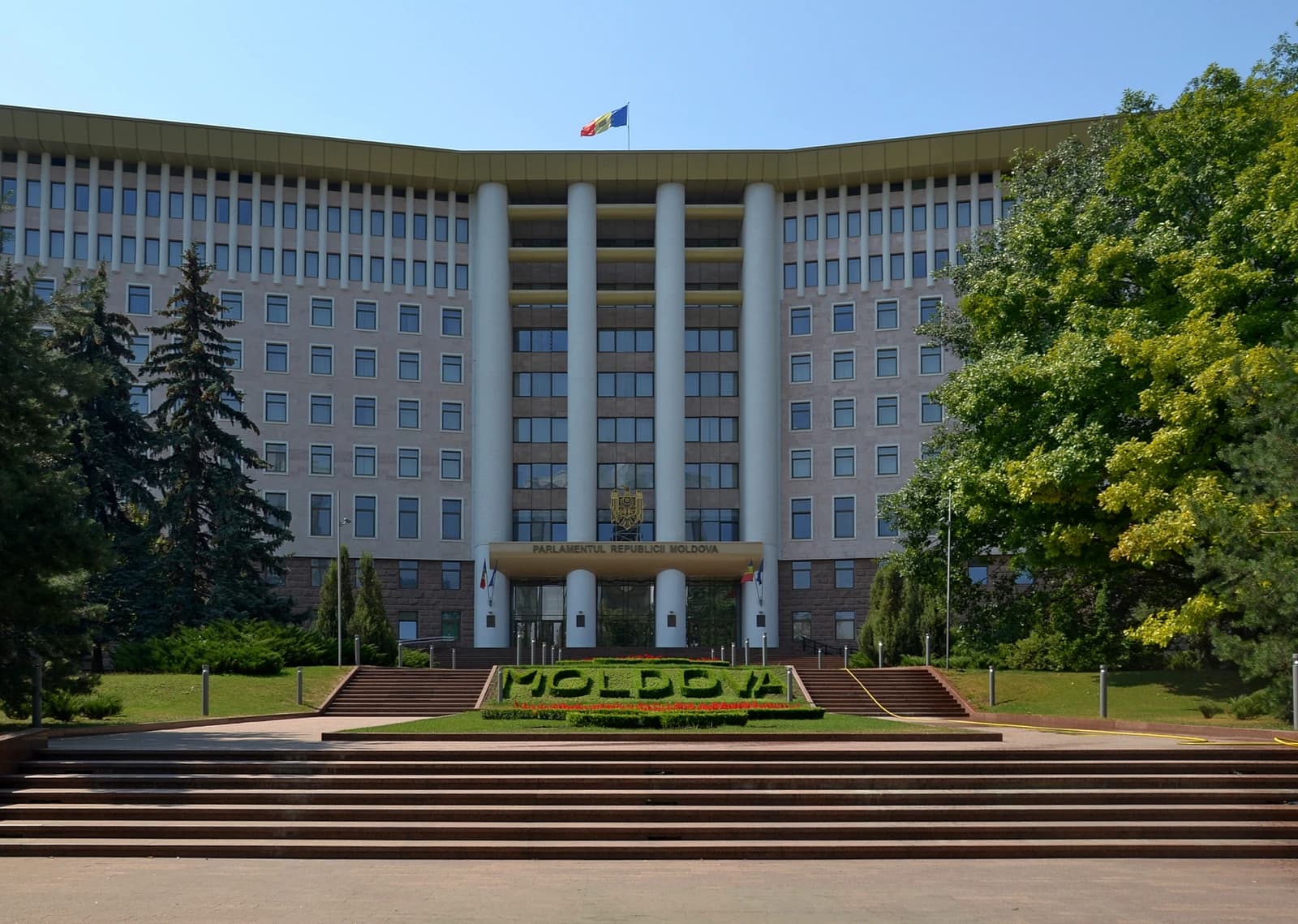
The new site, inimi.igm.gov.md, matters because administrative friction is often one of the biggest hidden costs in emerging markets. When a country makes immigration, residency and integration information easier to find in multiple languages, it lowers the barrier for skilled workers, expatriates, students and investors who may otherwise be slowed by bureaucracy. For Moldova, that is part of a broader push to present itself as a more modern, more resilient and more European destination.
That push is happening as Chisinau tries to strengthen the infrastructure and institutions that underpin long-term growth. The government has been moving to improve energy security through new power interconnections with Romania and has been joining European disaster-response frameworks, all while officials stress Moldova’s readiness to contribute to regional security. In that context, a foreigner-focused digital portal is not just a communications exercise. It is part of the same strategy: make the state more accessible, more predictable and more compatible with European norms.
For investors, that matters because countries competing for capital, talent and supply-chain diversification increasingly win or lose on ease of doing business, not just tax rates or wages. Moldova is not yet a major destination for global capital, but it is trying to position itself as one at the margin of the European market, where small improvements in governance and digital services can have an outsized effect. A multilingual platform signals that policymakers understand the needs of cross-border workers and foreign residents, which is a necessary condition for broader economic integration.
It also fits a longer-term investment narrative around Moldova’s European trajectory. EU accession talk, resilience-building and infrastructure upgrades all point to a state trying to reduce the risks that have historically kept foreign interest limited. None of this is flashy, and none of it changes the economy overnight. But for long-term investors, these are the kinds of incremental reforms that gradually improve a country’s investability.
The real question is whether Moldova can keep turning symbolic steps into durable improvements in rule-making, logistics and public services. If it can, a platform like inimi.igm.gov.md could be remembered less as a website launch and more as part of the country’s effort to welcome the people and capital it needs to grow.
| Entity | Gains | Losses |
|---|---|---|
| Foreign workers and residents | ▲Easier access to information | ▼Less paperwork confusion |
| Moldovan government | ▲Better investor image | ▼Pressure to deliver more reforms |
| Investors and employers | ▲Lower entry friction | ▼Slower if reforms stall |
| Competing regional destinations | ▲Less advantage from opacity | ▼More competition for talent |