Mississippi has the highest student debt burden in the U.S., and that matters because millions of borrowers are running out of room to delay the bill. For households already stretched by higher rates and stubborn living costs, the difference between a manageable payment and a missed one can decide whether debt becomes a years-long drag on spending, saving and homeownership.
Mississippi student debt burden and consumer spending
That is why the warning to “plan carefully” is more than prudence. Student loans are not just a personal finance issue; they are a balance-sheet issue for consumers and a demand issue for the economy. When borrowers in the hardest-hit states have to restart or increase payments, they tend to pull back on discretionary spending, build less savings and postpone major purchases. That can ripple through local economies, especially in lower-income states where student debt often sits alongside weaker wage growth and fewer financial buffers.
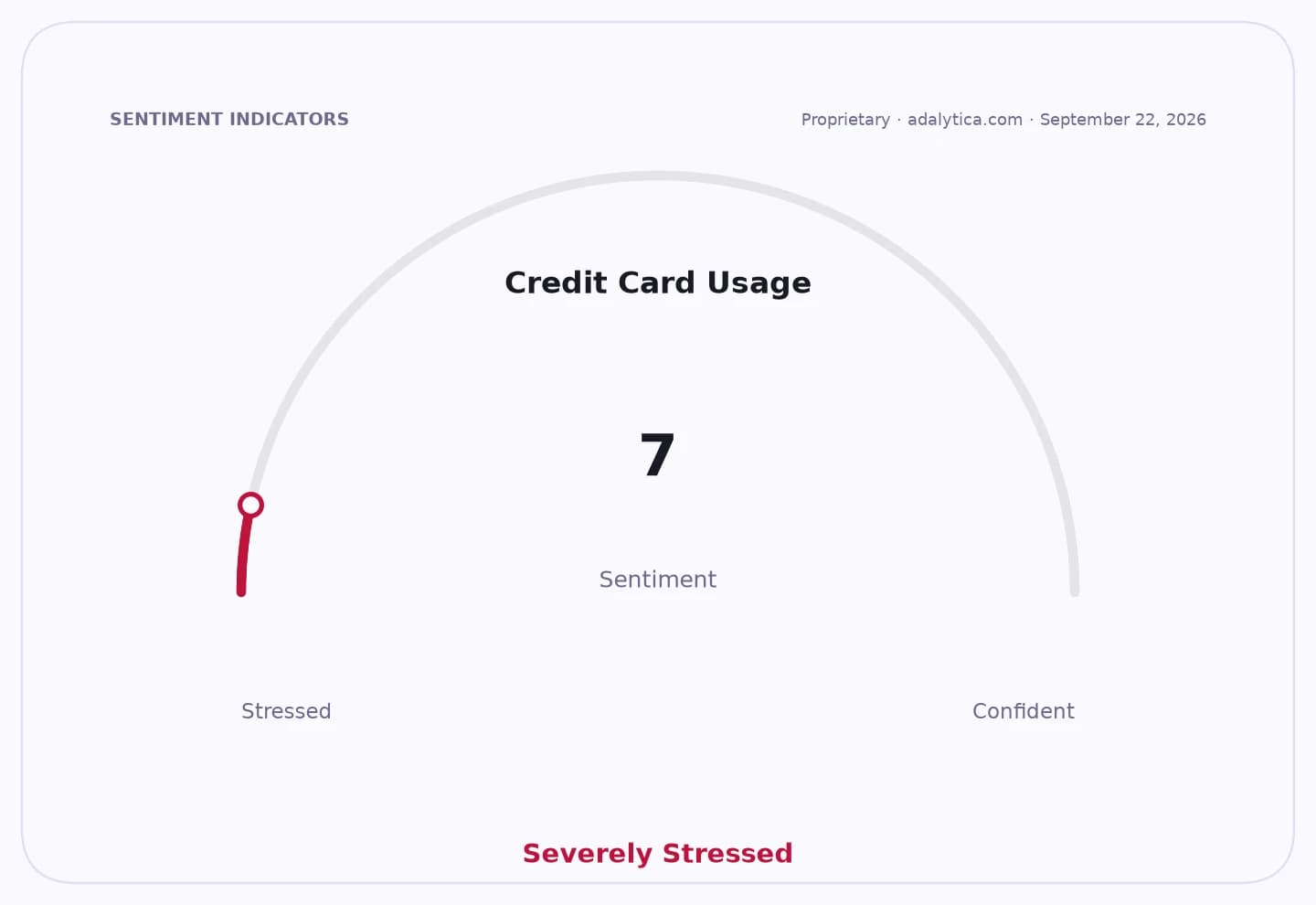
Sentiment IndicatorsⓘProprietary · adalytica.com · September 22, 2026
This is a snapshot — live sentiment, awareness and momentum for 130+ markets update continuously in the dashboard.Open AlphaPulse
The burden is especially visible in states where education debt is large relative to household income. In those markets, borrowers are more exposed to any change in federal repayment rules, forgiveness programs or collection policies. Even modest shifts in monthly payments can have outsized effects on delinquency rates, refinancing demand and loan-servicing volumes. That is one reason student debt remains a politically charged issue: it sits at the intersection of consumer stress, education access and broader economic resilience.
For investors, the story matters in two ways. First, it is a read-through on credit quality. A strained borrower base raises the risk of missed payments and forbearance use, which can pressure lenders and servicers tied to the student-loan ecosystem. Sallie Mae and Navient, two of the most closely watched names in the space, are navigating a market where repayment behavior and loan performance matter more than ever. Sallie Mae’s recent filing showed private education loan delinquencies ticked up, while Navient continues to highlight repayment and forbearance as a key operating risk.
Second, the issue has macro implications that go beyond the student-loan sector. Weak consumer sentiment around debt often shows up first in spending on travel, retail and other optional purchases. Adalytica’s Credit Card Usage Sentiment gauge currently sits at “Extreme Fear,” underscoring how fragile consumer psychology can be when borrowers feel squeezed. That does not mean recession is imminent, but it does suggest that debt service is still a meaningful headwind for consumer demand.
The backdrop also helps explain why markets watch the labor picture and interest rates so closely. The unemployment rate is still near low levels around 4.1% to 4.2%, which gives borrowers some cushion. But the 10-year Treasury yield hovering near 5% keeps borrowing costs elevated across the economy and limits how quickly households can refinance their way out of stress. In other words, even with employment holding up, the cost of carrying debt remains high.
For long-term investors, the most useful takeaway is simple: student debt is not a one-quarter headline, it is a multi-year consumer trend. The states with the biggest burdens can face slower household formation, weaker discretionary spending and more pressure on lenders that touch education credit. That makes the problem worth watching not as a political talking point, but as a real constraint on American consumption and financial health. Patient investors should keep an eye on student-loan lenders, consumer credit trends and any policy shift that could change repayment behavior in 2026 and beyond.
| Entity | Gains | Losses |
|---|---|---|
| Borrowers in high-debt states | ▲Relief from policy changes | ▼Higher monthly strain |
| Student-loan lenders | ▲Strong servicing demand | ▼Higher delinquency risk |
| Consumer-facing retailers | ▲Less if spending holds | ▼Weaker discretionary spending |
| Policymakers | ▲More urgency to act | ▼More pressure to deliver |