AI-native laptops and smartphones are moving from niche upgrades to mainstream work tools, with Microsoft, Apple and HP positioned to benefit as buyers look for devices that can run artificial intelligence locally, save time and cut dependence on the cloud.
Microsoft Apple HP AI PC demand outlook
The shift matters because on-device AI changes the economics of personal computing. By processing tasks on the device through neural processing units, or NPUs, these PCs and phones can handle transcription, search, translation and image editing faster, with better privacy and lower power use than cloud-based tools.
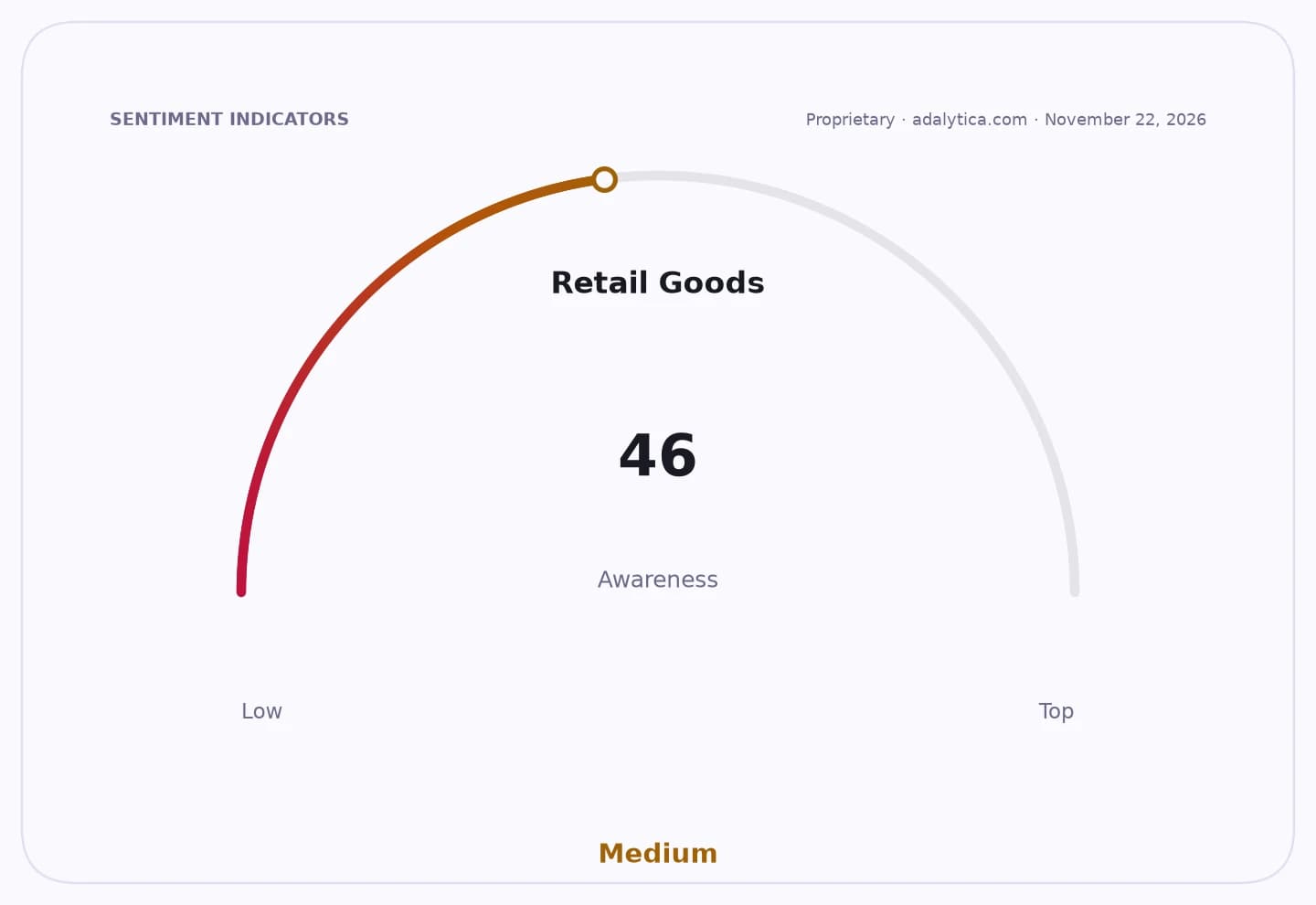
Sentiment Indicators
That is why the next round of holiday spending is increasingly about productivity, not just specs. The pitch around Copilot+ PCs and MacBook models with Apple Intelligence is that AI features can automate repetitive work, and in a world where 30 minutes a day of saved time can pay back the purchase within months, the upgrade calculus is changing.
For Microsoft, the market is already pricing in a tougher near-term setup. The stock closed at $506.24 on Nov. 17, below its 50-day moving average of $519.61, while RSI at 42.1 and a negative MACD reading point to cooling momentum. Adalytica’s Microsoft earnings sentiment sat at “Extreme Fear,” even as awareness remained neutral, suggesting investors are wary of how much the company can monetize the AI PC cycle in the near term.
Artificial Intelligence vs MSFTadalytica.com
Explore this data interactively — full history, time series and cross-market comparisons.
Apple is in a stronger technical position. The stock finished at $351.91, just under its 50-day average of $340.17 and near its Bollinger upper band at $359.08, with RSI at 55.9. That gives the company room to market Apple Intelligence as a reason to refresh devices, especially among users who want local AI features without giving up battery life or privacy.
HP is the most direct proxy for the hardware refresh trade. Its shares ended at $28.71, below both the 50-day moving average of $31.28 and the 200-day average of $24.77, with RSI at 31.0 and a still-negative MACD, reflecting a beaten-down setup that could benefit if AI PC demand accelerates into Black Friday and 2027 buying cycles. HP’s filings say it is pushing AI adoption through its 2026 plan and sees AI PCs and workstations as critical to productivity and collaboration.
The broader story is that AI is no longer just a software layer sold through browsers and cloud subscriptions. It is becoming a hardware feature tied to battery life, security and everyday workflow, which could shift spending toward premium PCs, higher-end phones and workstations while pressuring vendors that fail to show a clear AI upgrade path.
With Black Friday approaching, investors will be watching whether consumer and business buyers treat AI-native devices as must-have productivity gear or as a still-optional premium. Any early read-through from PC and smartphone demand could set the tone for Microsoft, Apple, HP and the rest of the device market into 2027.
| Entity | Gains | Losses |
|---|---|---|
| Microsoft | ▲Copilot+ PC adoption | ▼Cloud-only AI dependence |
| Apple | ▲Apple Intelligence upgrades | ▼Older iPhone and Mac sales |
| HP | ▲AI PC replacement cycle | ▼Commodity PC demand |
| Buyers using AI-native devices | ▲Time savings, privacy, battery life | ▼Upfront upgrade cost |