A widely repeated claim that the Mexican tax authority caps debit card balances at 15,000 pesos is wrong, and the clarification matters because it separates ordinary savings from the reporting rules that banks must follow on cash deposits.
Mexico SAT clarifies cash deposit reporting rule
The Servicio de Administración Tributaria, or SAT, does not prohibit consumers from holding 20,000, 50,000 or even 100,000 pesos in a bank account. The 15,000-peso threshold applies only to cash deposits accumulated in a month at the same financial institution, where banks must report certain transactions to the tax authority. Electronic transfers, account-to-account traspasos and other non-cash movements are treated differently.
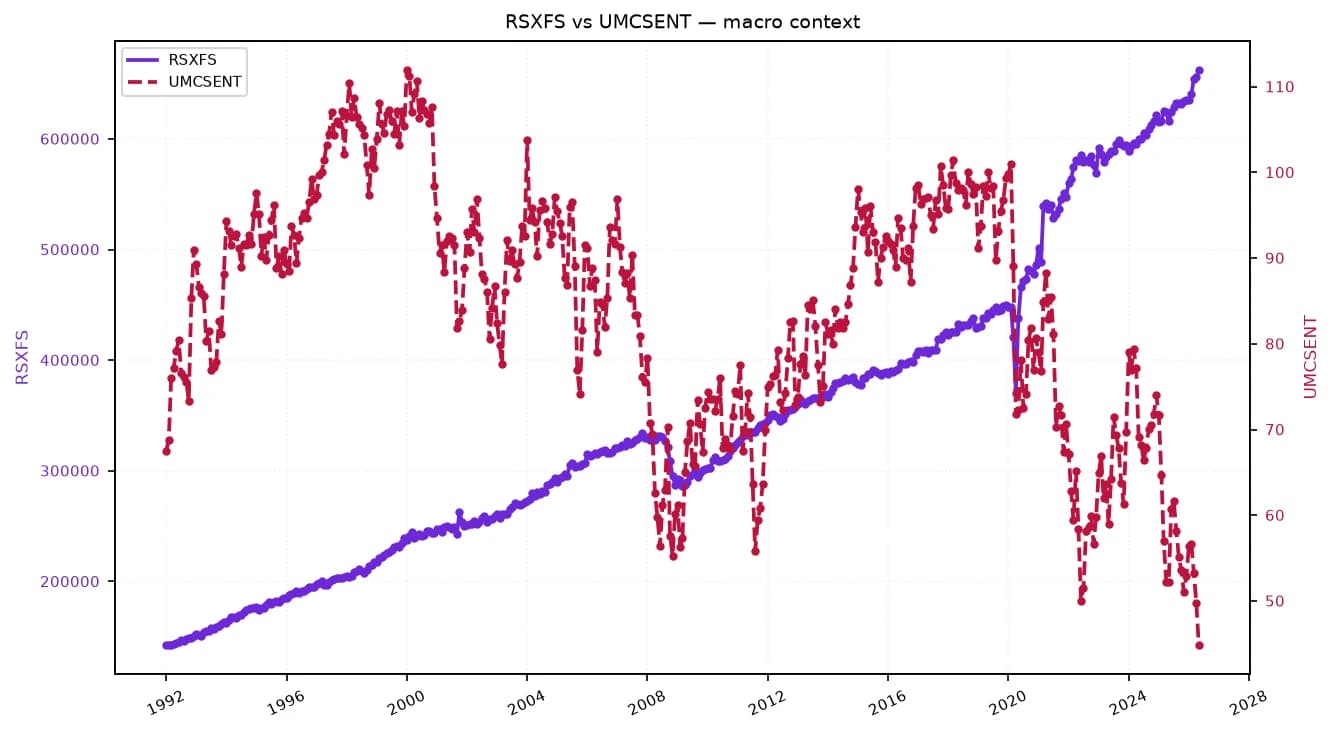
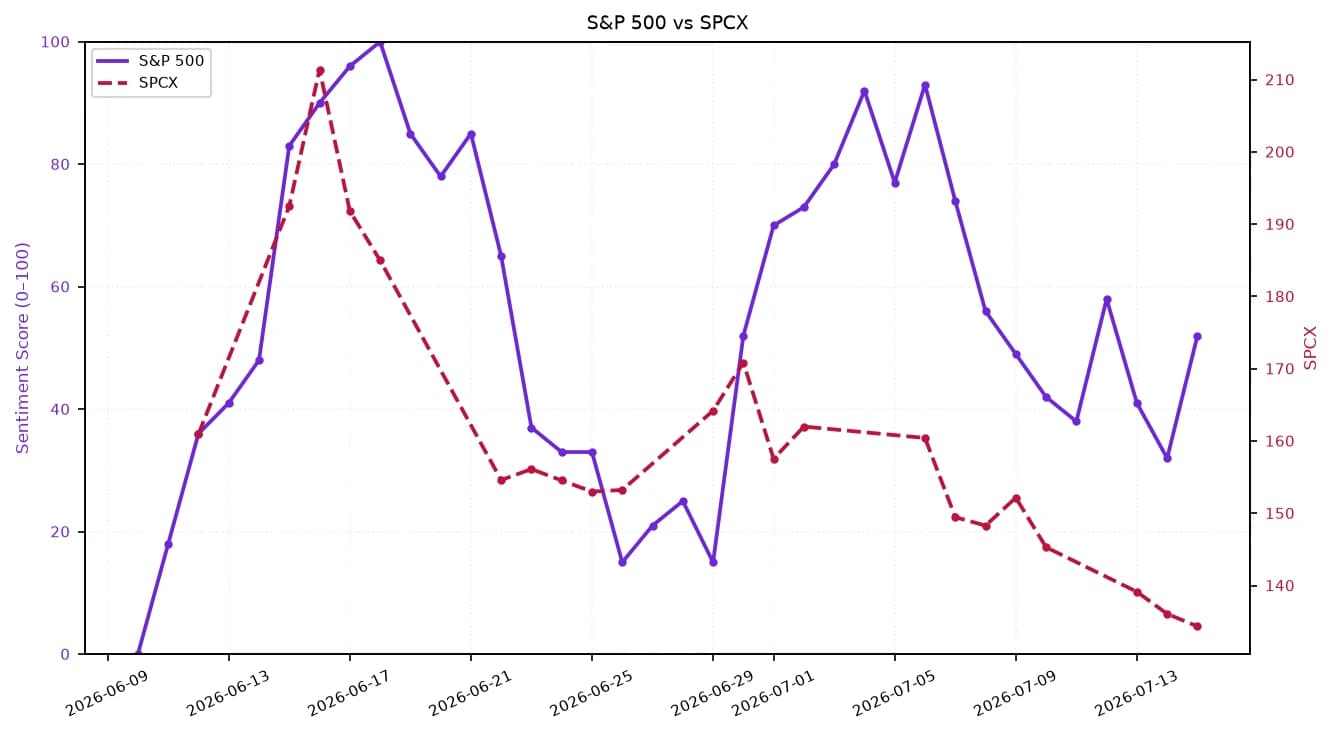
Sentiment IndicatorsⓘProprietary · adalytica.com · September 20, 2026
This is a snapshot — live sentiment, awareness and momentum for 130+ markets update continuously in the dashboard.Open AlphaPulse
That distinction matters economically because cash deposit reporting is part of the state’s effort to track income flows and reduce undeclared activity without restricting legitimate deposits or balances. For households and small businesses, the rule affects documentation rather than access to money. For banks, it reinforces compliance obligations and the need to distinguish between cash handling and digital payments, especially as more transactions migrate away from cash.
The confusion also lands in a payments market already under pressure. Credit card delinquencies and charge-offs have been rising, Chase has raised its credit card fee, and UPI’s introduction of a 0.4% merchant discount rate marks a broader re-pricing of payment rails. In that environment, any rumor about debit card limits can quickly distort consumer behavior, encouraging unnecessary cash withdrawals or fear of bank balances just as lenders and merchants are already navigating tighter conditions.
For investors, the immediate read-through is limited for card networks and banks because the SAT clarification does not imply a cap on balances or a new tax. But the broader backdrop remains relevant: Mastercard, JPMorgan and other large financial names are exposed to the durability of consumer spending, payment volumes and compliance costs. Mastercard’s 10-Q showed depreciation and amortization rising with higher capitalized software investment, while JPMorgan said credit card loans grew even as delinquency rates eased from year-end levels. Those trends point to a payments system that is still expanding, but with tighter underwriting, higher fee pressure and more scrutiny of cash-intensive flows.
The main investment takeaway is that the rule is about reporting, not confiscation or taxation of balances. For consumers, the practical issue is keeping records that explain the source of funds. For banks and payment firms, the story reinforces the shift toward traceable electronic payments and away from cash, even as regulators continue to watch for undeclared income and stress in household finances.
| Entity | Gains | Losses |
|---|---|---|
| SAT | ▲Better cash-flow visibility | ▼Less misinformation |
| Banks | ▲Clearer compliance rules | ▼More reporting burden |
| Consumers with savings | ▲No balance cap fear | ▼Need proof of source |
| Cash-heavy households | ▲Can still deposit cash | ▼Higher scrutiny |