Mercantile Bank is showing regional lenders can keep earnings steady without leaning on the Federal Reserve, after third-quarter net income rose to $24.1 million, or $1.39 a share, as it cut expensive wholesale funding and kept loan yields firm.
Mercantile Bank cuts funding costs, boosts earnings
The message matters because bank margins are under pressure across the sector as deposit competition, interest-rate volatility and a shakier macro backdrop reshape funding costs. Mercantile’s approach — repricing assets, trimming brokered deposits and building core business relationships — is the kind of balance-sheet management that can protect returns even if rate cuts or rate swings do not unfold as expected.
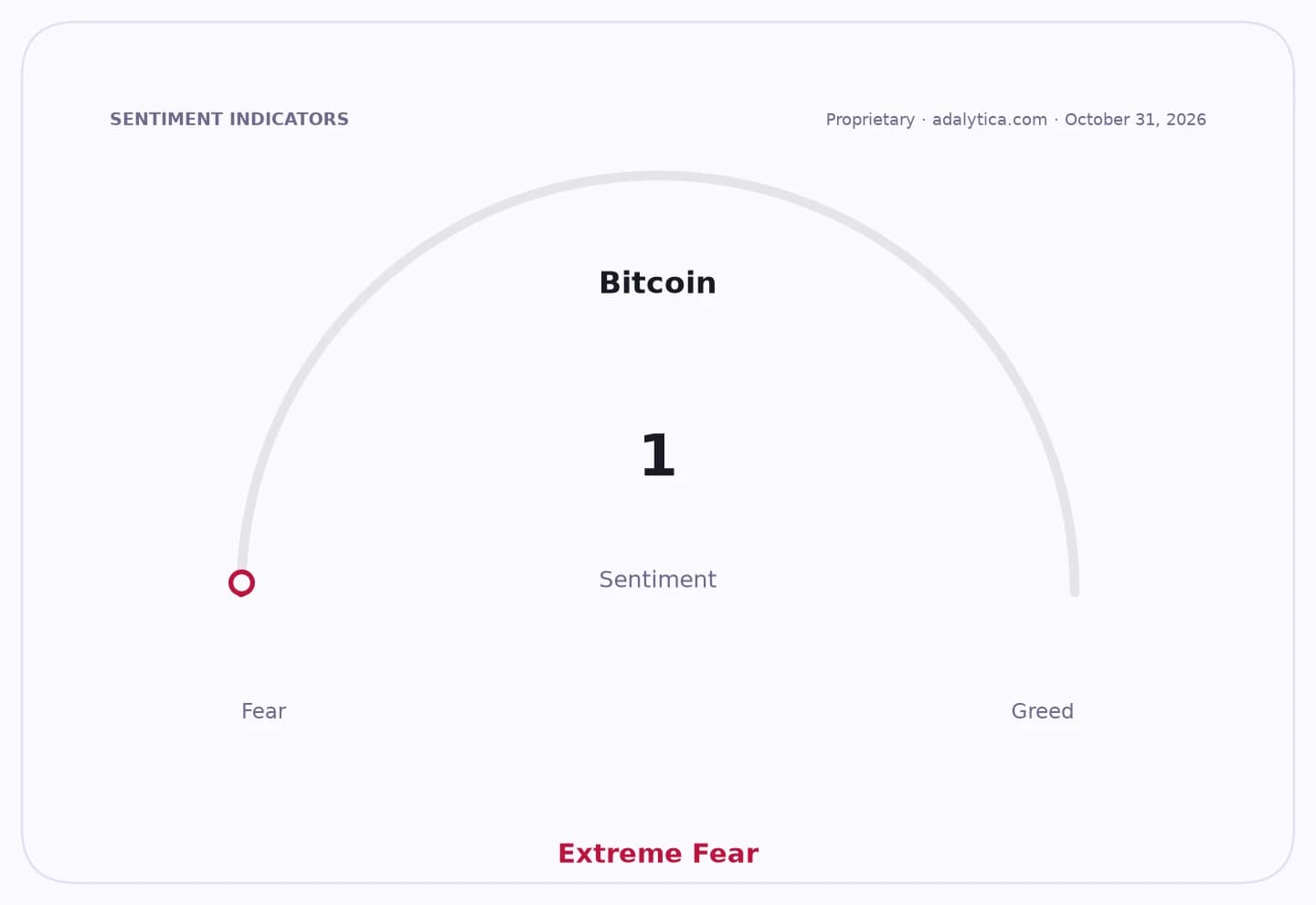
Sentiment Indicators
Management said the bank reduced brokered certificates of deposit, a more costly form of wholesale funding, by about $180 million over the past year while expanding core commercial deposits. Chief financial officer Charles Christmas said the goal is to make the bank “very durable in any changing interest rate environment,” underscoring that net interest margin is being driven more by funding decisions than by a bet on monetary policy.
That discipline is also helping Mercantile gain share in Southeast Michigan, where larger rivals are going through operational changes. President and Chief Executive Raymond Reitsma said the bank is hiring experienced commercial bankers and adding clients in the region, suggesting the company is using disruption to deepen its loan book and lower-cost deposit base at the same time.
The stock has reflected that resilience. Mercantile Bank shares closed at $61.09 on Oct. 23, up from $58.71 two days earlier, and sit above both the 50-day and 200-day moving averages, while the RSI and MACD show momentum recovering after a late-summer pullback. The broader regional bank ETF, KRE, has also stabilized around the low 70s, but Mercantile is outperforming many peers on a year-to-date basis.
Investors will be watching whether that funding mix improvement continues as the Eastern Michigan Bank integration progresses and core banking system conversions continue. The next test is whether Mercantile can keep growing commercial loans and deposits without giving back margin if competition for local funding intensifies.
| Entity | Gains | Losses |
|---|---|---|
| Mercantile Bank | ▲Wider margin stability | ▼Higher funding costs |
| Long-term shareholders | ▲More durable earnings | ▼Volatility from rate bets |
| Southeast Michigan customers | ▲More lending capacity | ▼Less pricing power for rivals |
| Rival regional banks | ▲— | ▼Market share to Mercantile |