Melbourne’s Cinema Nova sale shows how heritage property is becoming one of the market’s quieter asymmetric opportunities, with a landmark film house now set to fetch more than A$2.9 million as investors hunt assets that can be revalued, repurposed and protected by scarcity.
Melbourne Cinema Nova Sale Tops A$2.9 Million

That matters because buildings with cultural cachet, central locations and constrained redevelopment potential often trade at a discount to their long-term replacement value until capital starts chasing them. Once that happens, the upside can be less about rental yield and more about valuation rerating, adaptive reuse and the scarcity premium that comes with irreplaceable real estate.
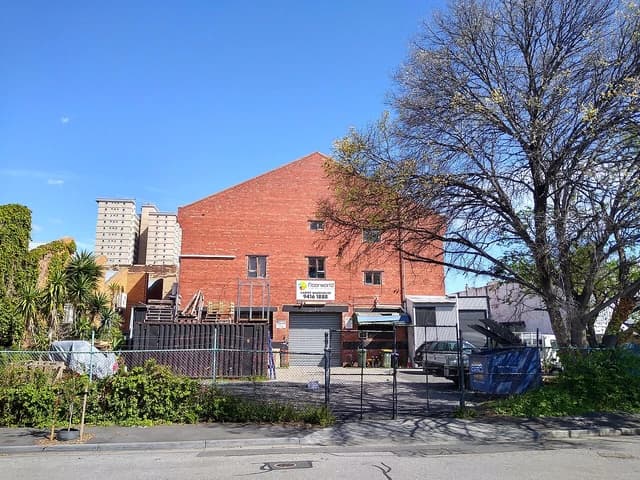
The film house is not just another commercial property transaction. It sits in a broader shift in which heritage and specialty properties are increasingly being treated as financial assets rather than civic leftovers. That is especially relevant in cities like Melbourne, where inner-urban stock is finite and where investors are willing to pay for character, foot traffic and optionality in a market that has become more selective.
For investors, the lesson is that real estate value is no longer just about square metres and cap rates. In a world of higher construction costs, tighter financing and stronger demand for differentiated assets, the winners are often properties that cannot be easily duplicated. That creates a bid for cinemas, theatres, galleries, boutique hospitality spaces and other cultural buildings that can be monetized in multiple ways.
The same dynamic is visible in policy shifts that reward formal ownership and clearer title. In India, Madhya Pradesh becoming the first state to offer free registration for rural properties is another sign that governments are trying to unlock value trapped in informal or underdocumented assets. Cleaner registration raises the liquidity of property markets, reduces disputes and increases the ability of owners to borrow, sell or develop land.
That is why the market should pay attention to these seemingly local headlines. They point to a larger theme: scarce, legally secure property is becoming more valuable, not less, as investors look for real assets with embedded optionality. Heritage buildings may not be the obvious growth trade, but they are exactly the kind of asset that can outperform when capital starts rewarding uniqueness over uniformity.
For readers looking for exposure, the opportunity sits with owners, operators and financiers positioned around premium urban real estate, adaptive reuse and title formalization. The market underestimates how quickly these assets can reprice once buyers recognize the combination of scarcity, income potential and strategic location. In this environment, the best move is to own the toll roads of property value: legal clarity, irreplaceable location and the flexibility to monetize both.
| Entity | Gains | Losses |
|---|---|---|
| Heritage property owners | ▲Scarcity premium | ▼Forced-sale discounts |
| Adaptive-reuse buyers | ▲Revaluation upside | ▼Plain-vanilla offices |
| Cities with formal title reform | ▲Better liquidity | ▼Informal ownership |
| Cash-rich investors | ▲Bargaining power | ▼Leveraged buyers |