A rare matsutake mushroom has reappeared in Poland, reviving interest in one of the world’s most prized wild foods and spotlighting a niche market where a kilogram can fetch as much as 2,000 euros, or more than 8,000 zloty.
Matsutake Returns in Poland, Premium Market Revisited
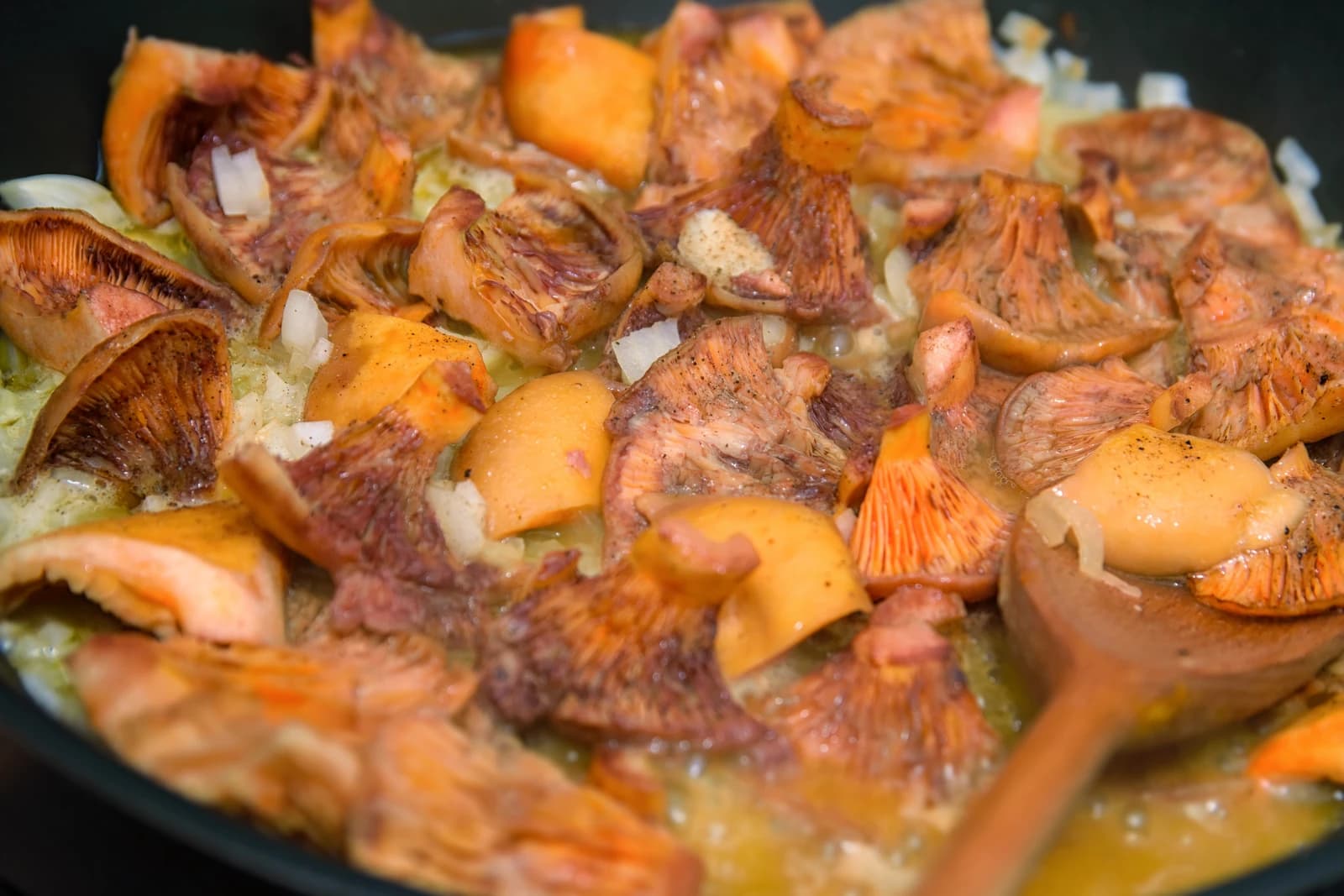
That matters because matsutake is not just a botanical curiosity — it is a premium, scarcity-driven commodity whose value comes from supply constraints that no industrial farming system has yet been able to solve. For investors, the story is a reminder that the most lucrative food markets are often built on scarcity, provenance and exclusivity, not volume.
The mushroom, known in Polish as gąska sosnowa and scientifically as Tricholoma matsutake, was first recorded in Poland in 1921 and later thought to have disappeared entirely. Its return in recent years, including multiple sites found in the Zawoja municipality in 2021, shows that rare natural assets can re-emerge when ecology and habitat align — but not necessarily at scale.
In Japan, matsutake is prized in soups, broths, rice dishes and grilled preparations, and top-grade young specimens can be gifted as luxury items. The highest prices go to young, undamaged mushrooms from Japan, while imported or lower-quality product sells for less. The economics are straightforward: matsutake depends on specific soil conditions and tree-root relationships, and it has so far resisted large-scale cultivation.
That scarcity creates a very unusual market structure. Unlike farmed mushrooms, matsutake supply cannot simply be expanded with more capital or better logistics. The result is a premium niche with strong pricing power, especially where cultural demand is entrenched. For food distributors, specialty importers and fine-dining operators, that means access to genuine matsutake can remain a competitive advantage.
Poland, however, is not an easy monetization opportunity. The mushroom is not on the official list of species allowed for trade, meaning foragers cannot legally pick and sell it to restaurants or markets. Anyone who finds one is supposed to leave it in place, photograph it and record its location for mycologists. If it has been picked, the advice is to have it checked at a sanitary and epidemiological station before eating.
That legal restriction limits commercial upside inside Poland, but it also underscores the broader investment theme: the most valuable natural products often sit at the intersection of ecology, regulation and exclusivity. As climate patterns shift and wild food seasons become less predictable, the market for rare, high-status ingredients could get even tighter.
The practical takeaway is simple. Matsutake is not an ordinary mushroom story — it is a lesson in how rarity becomes value. The market underestimates how much money can sit inside small, regulated, hard-to-farm natural niches. For investors looking for asymmetric opportunities, the real winners are likely not the foragers, but the brands, import channels and premium food businesses that can capture the markup on scarcity.
| Entity | Gains | Losses |
|---|---|---|
| Japanese matsutake suppliers | ▲Premium pricing | ▼Scarcity risk |
| Polish mycologists | ▲New finds to study | ▼Limited trade upside |
| Specialty food importers | ▲Luxury demand | ▼Supply uncertainty |
| Polish foragers | ▲Ecological discovery | ▼No legal resale |