Mali is pressing the Common Fund for Commodities to steer more financing toward its farm economy, a bid that underscores how dependent the West African nation remains on export crops and how much its rural incomes hinge on outside capital and technical support.
Mali presses Common Fund for more farm financing
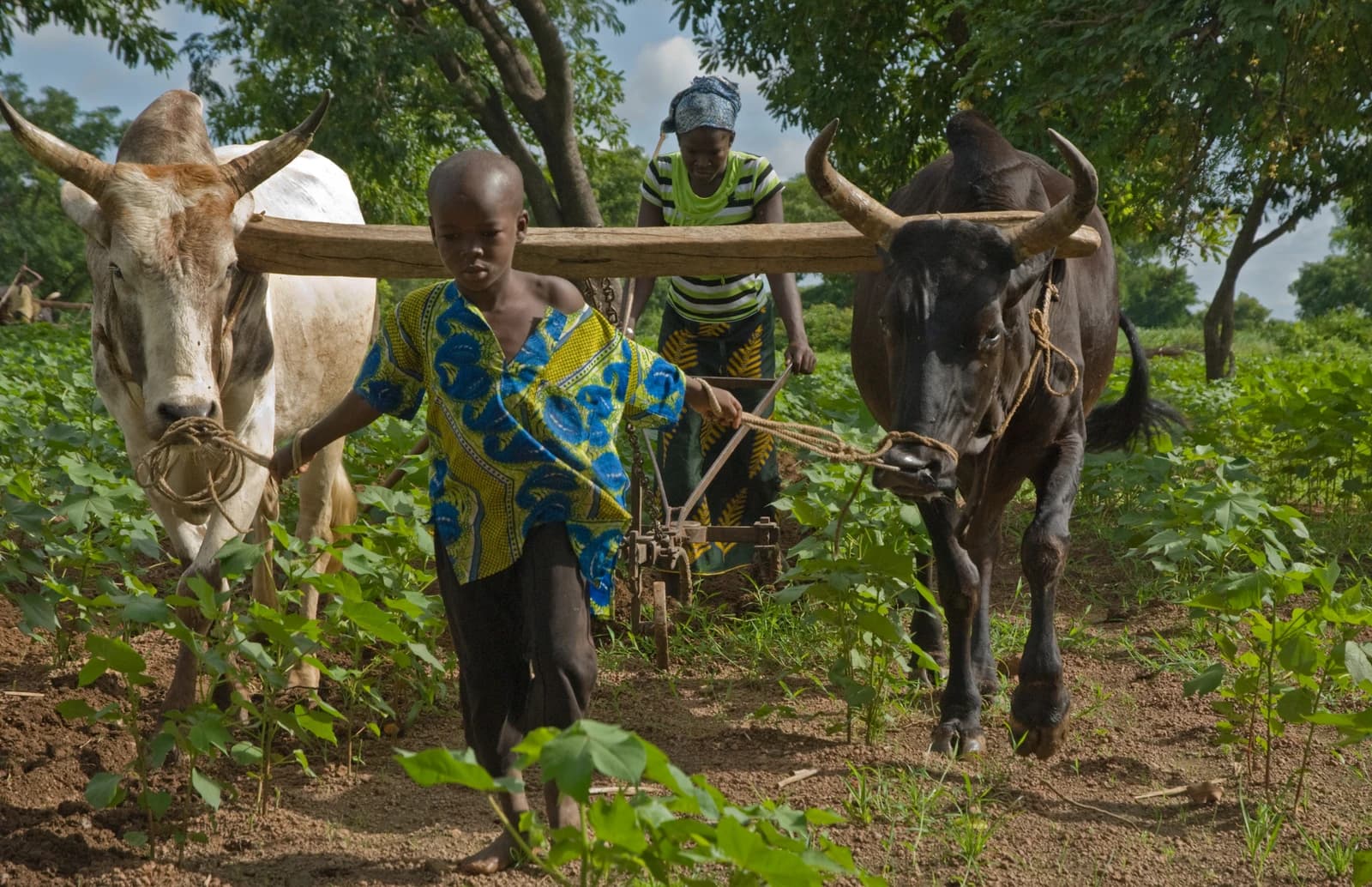
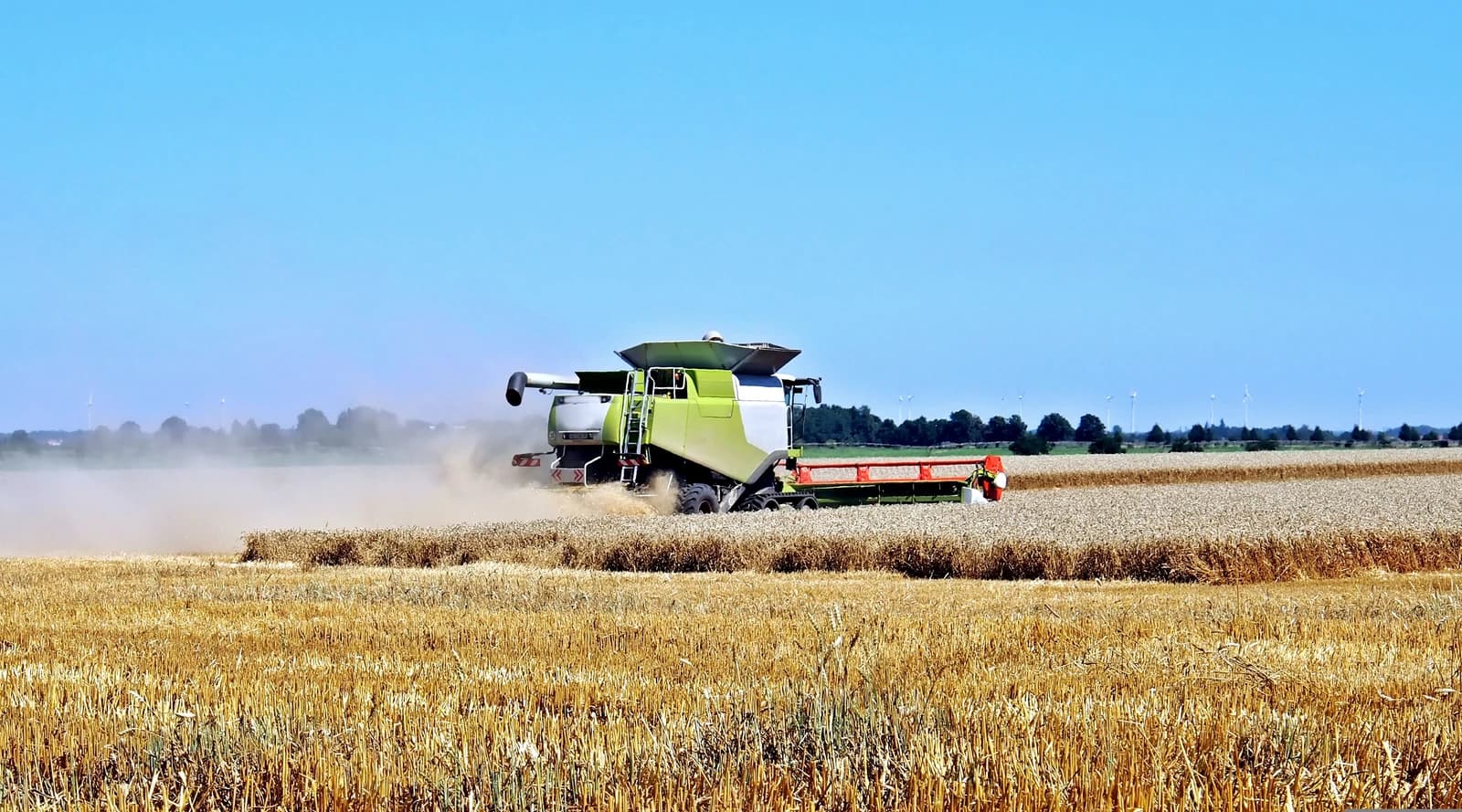
At the 38th annual meeting of the fund’s board of governors, Mali asked for a fairer distribution of lending and closer attention to small farmers, especially in landlocked countries where transport costs, market access and language barriers can make it harder to secure project funding. The request is economically significant because cotton, mango, gum arabic and shea are not side businesses in Mali; they are pillars of rural employment and export earnings in an economy where agriculture, livestock and forestry dominate livelihoods.
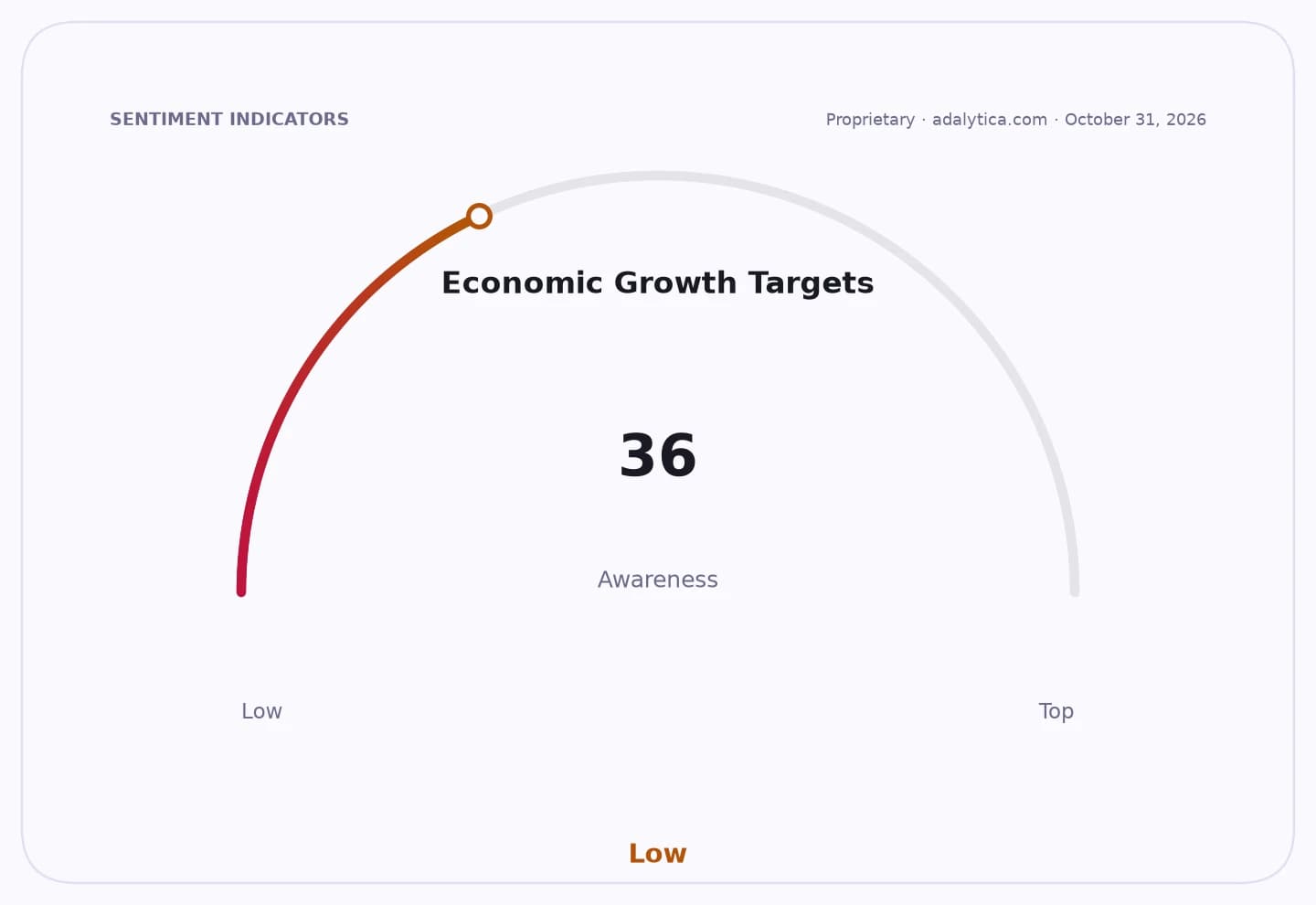
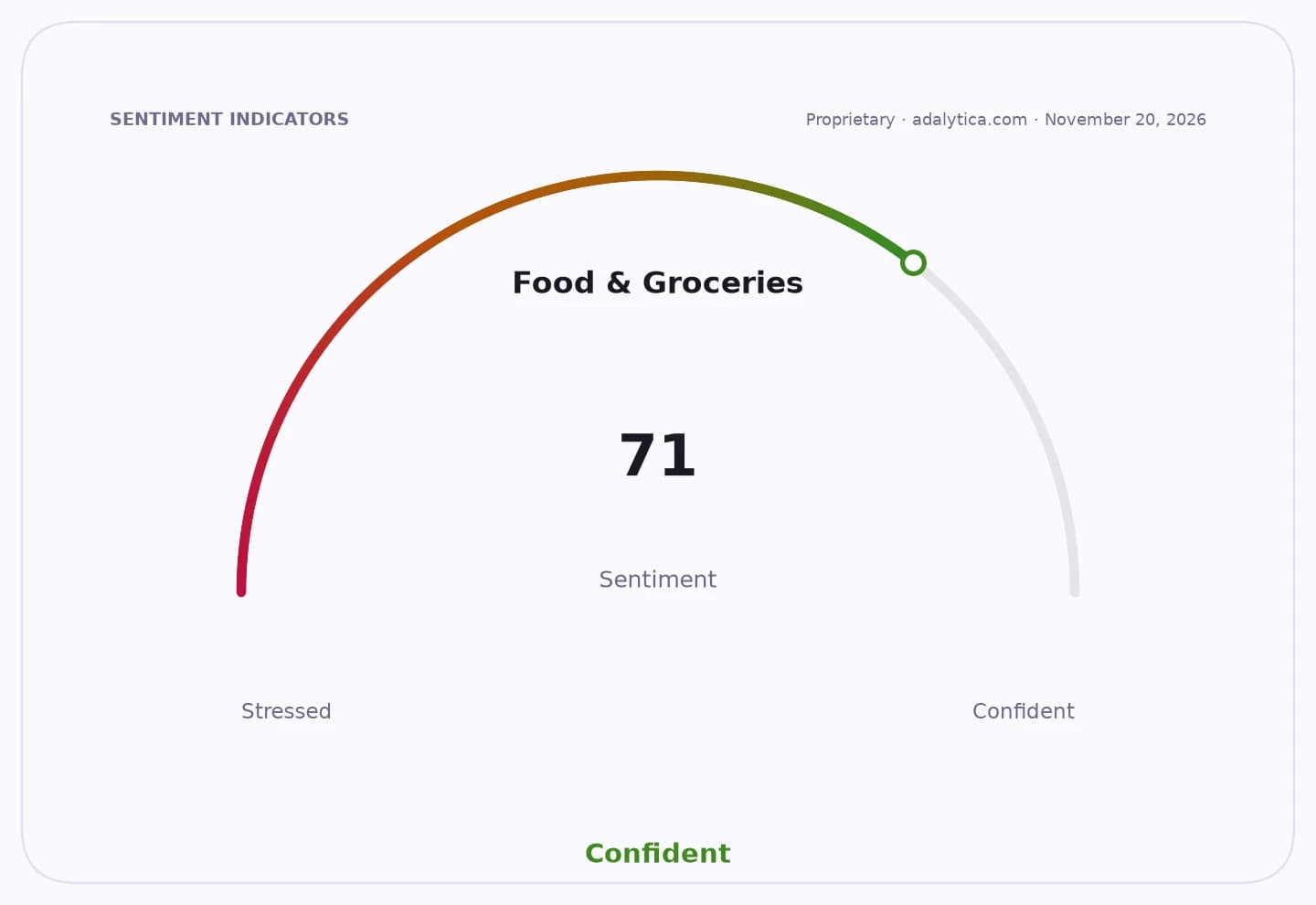
Sentiment Indicators
The appeal also speaks to a broader financing gap across developing-country commodity sectors. The Common Fund for Commodities, an Amsterdam-based institution created under the UN Conference on Trade and Development framework, says it backs sustainable projects for small producers and small and medium-sized enterprises. For Mali, the issue is not simply more money, but whether funding reaches the growers and processors most exposed to climate shocks, price swings and weak infrastructure.
That matters for investors because better project finance in Mali can translate into more stable supply chains for commodity buyers, including global agricultural traders and processors that rely on West African cotton and horticulture. It could also support value-added processing at source, a theme that tends to benefit local producers more than raw-export models and, over time, can reduce volatility in export volumes.
The timing is important. The Common Fund was discussing its 2027 budget and its 2025-2035 strategy at the same session, giving member states a chance to shape where capital goes next. Mali’s intervention suggests it wants a larger share of that pipeline, not just for social reasons but to strengthen a farm sector that remains central to foreign exchange generation and rural stability.
For investors, the key question is whether the fund’s next cycle channels more resources into landlocked, lower-income commodity producers or whether competition for capital keeps support concentrated elsewhere. A shift in that direction would favor development lenders, farm-input suppliers and logistics providers serving African agriculture, while leaving commodity traders and buyers more exposed to the same supply constraints that have long limited the sector’s growth.
| Entity | Gains | Losses |
|---|---|---|
| Mali’s small farmers | ▲More financing and technical support | ▼Continued underinvestment |
| Common Fund for Commodities | ▲Broader development impact | ▼Pressure to spread funds thinner |
| Commodity buyers | ▲More stable future supply | ▼Short-term funding uncertainty |
| Competing recipient countries | ▲Less immediate pressure on their share | ▼Smaller allocation if Mali wins more support |