MLA Rohit Pawar’s inspection of soybean fields in Kalamb has put a political spotlight on a worsening farm crisis in Maharashtra, where a prolonged dry spell is now wiping out crops and threatening rural incomes across Marathwada.
Maharashtra soybean fields hit by dry spell
Farmers in Hawargav and nearby villages told Pawar that soybean stands have been hit hard by the long break in rainfall, with some estimating losses of as much as 90%. They also flagged erratic electricity supply, saying power cuts are making it harder to pump whatever little water is available to save the crop.
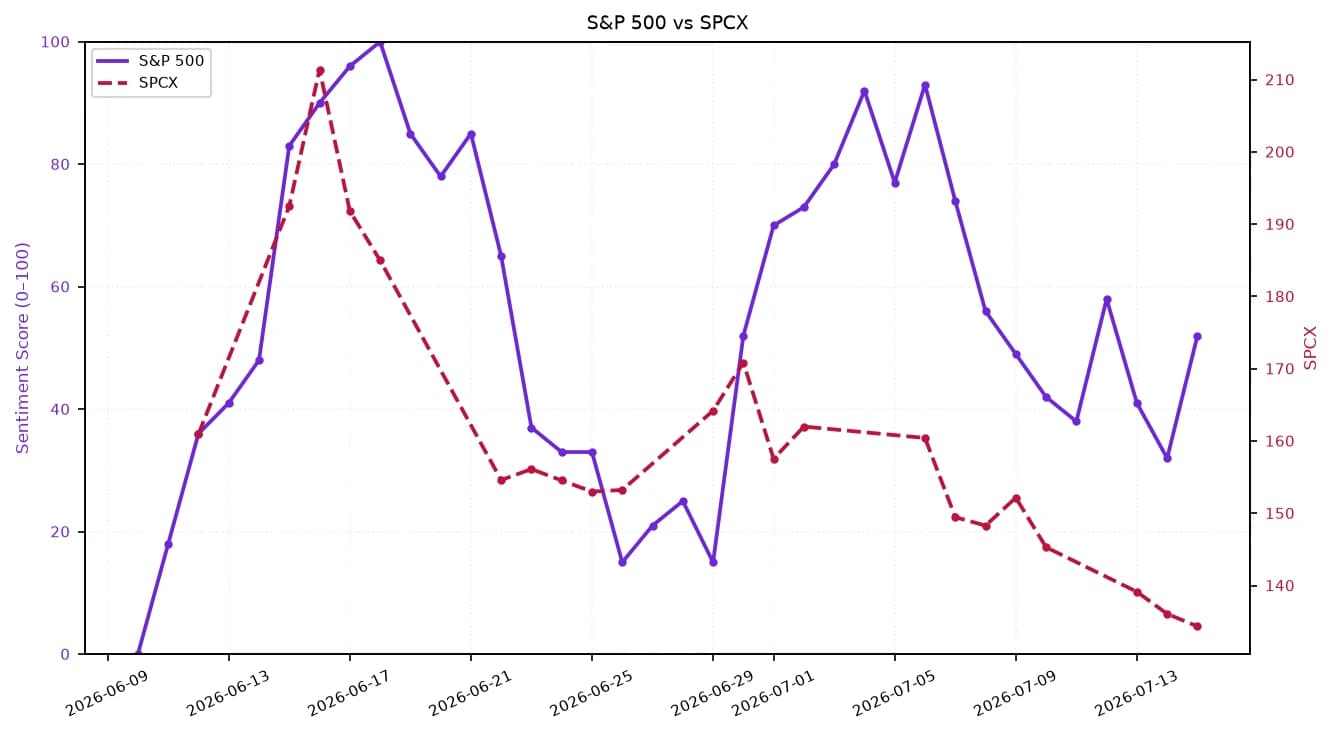
Sentiment IndicatorsⓘProprietary · adalytica.com · September 23, 2026
This is a snapshot — live sentiment, awareness and momentum for 130+ markets update continuously in the dashboard.Open AlphaPulse
The situation matters economically because soybean is one of the region’s key cash crops, and a broad failure of the harvest would hit farm spending, crop-loan repayments and local trade. The dry spell is also raising the risk of higher production costs for later sowing and creating pressure for compensation measures from the state.
For investors and agribusinesses, the damage adds another layer of uncertainty to India’s oilseed supply chain. Lower output from Maharashtra could tighten local availability for crushing units and feed makers, while supporting prices for competing oilseeds if the crop loss proves as severe as farmers say.
The episode also underscores how weather shocks are increasingly becoming a market variable. In global trading, soybean sentiment is already sensitive to crop stress, and any sustained drop in Indian output would come on top of broader supply concerns and strong demand trends in other markets.
Pawar’s decision to call a Mahavitaran engineer directly over the power issue highlights the political pressure building on the state government. Relief, crop-loss assessments and possible compensation payments are now the next catalysts, with farmers in Marathwada still waiting for meaningful rain.
| Entity | Gains | Losses |
|---|---|---|
| Marathwada farmers | ▲Relief aid prospects | ▼Crop output and income |
| Maharashtra government | ▲Chance to respond | ▼Political pressure over drought |
| Soybean buyers/crushers | ▲Potential policy support | ▼Tighter local supply |
| Power utility Mahavitaran | ▲Public scrutiny | ▼Blame for outages |