Lithuania’s Via Baltica upgrade has become more expensive even after the main roadworks were completed, underscoring how soil conditions and design changes can quickly push up the cost of strategically important transport links.
Lithuania Via Baltica upgrade cost rises 10%
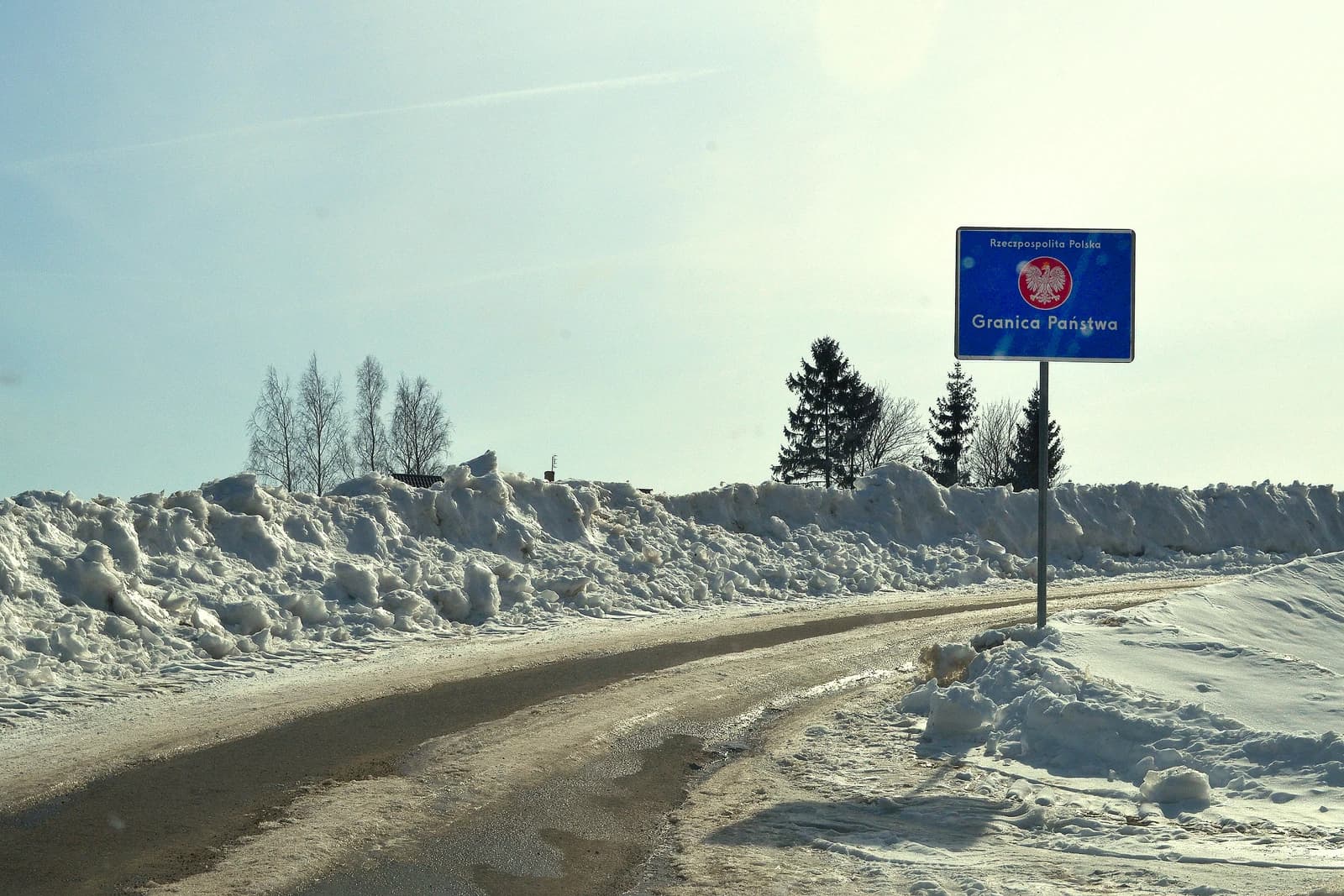
The 12-kilometre section from Marijampole to the Polish border, rebuilt by Kauno tiltai under a contract signed with state road operator Via Lietuva in May 2024, has seen the contract value rise by 16 million euros excluding VAT, or about 10% of the original agreement. Via Lietuva said 54 supplemental agreements have been signed since the contract was awarded, with 17 change documents registered this year alone.
The biggest driver was weaker-than-expected ground. The operator said geologic conditions proved “significantly more complex” than projected, with additional layers of peat, mud and gyttja requiring removal to secure the road’s stability and longevity. That work alone added 7.9 million euros. Other additions covered adjustments to bring the Lithuanian section into line with the Polish side of the route and to correct differences between the project documentation and actual site conditions.
For Lithuania, the overrun is not just a construction issue. Via Baltica is part of the Trans-European Transport Network and one of the Baltic region’s most important corridors, linking Warsaw with Tallinn through Lithuania, Latvia and Estonia. Beyond civilian freight and passenger traffic, the route is also viewed as critical to military mobility, which raises the political cost of delays, redesigns and budget creep.
For investors and contractors, the case shows both the opportunity and the risk embedded in large public infrastructure programmes. Public road spending can support revenue visibility for builders such as Kauno tiltai, but repeated variation orders can squeeze margins if bidders underprice ground-risk or if project assumptions prove too optimistic. For the state, the fact that the increase stayed within the 15% amendment limit without a new procurement keeps the project moving, but it also highlights the pressure on transport budgets as construction costs rise across the sector.
Via Lietuva said all extra agreements are being published and checked by the project’s participants, including execution and technical supervision teams, as officials try to balance speed with oversight. The next question for investors and policymakers is whether the Marijampole-Poland section proves to be a one-off case of bad geology or another sign that major road upgrades across the Baltic corridor will need larger contingencies from the outset.
| Entity | Gains | Losses |
|---|---|---|
| Via Lietuva | ▲project completion | ▼budget discipline |
| Kauno tiltai | ▲higher contract value | ▼margin pressure |
| Lithuanian transport network | ▲better connectivity | ▼cost overruns |
| Taxpayers/state budget | ▲eventual infrastructure upgrade | ▼near-term spending burden |