Libya’s National Oil Corp said natural gas consumption reached 6.874 billion cubic feet in the week of Nov. 15 to Nov. 21, underscoring how tightly the country’s energy system still depends on gas-fired power generation and a narrow industrial base.
Libya gas use hits 6.874 billion cubic feet
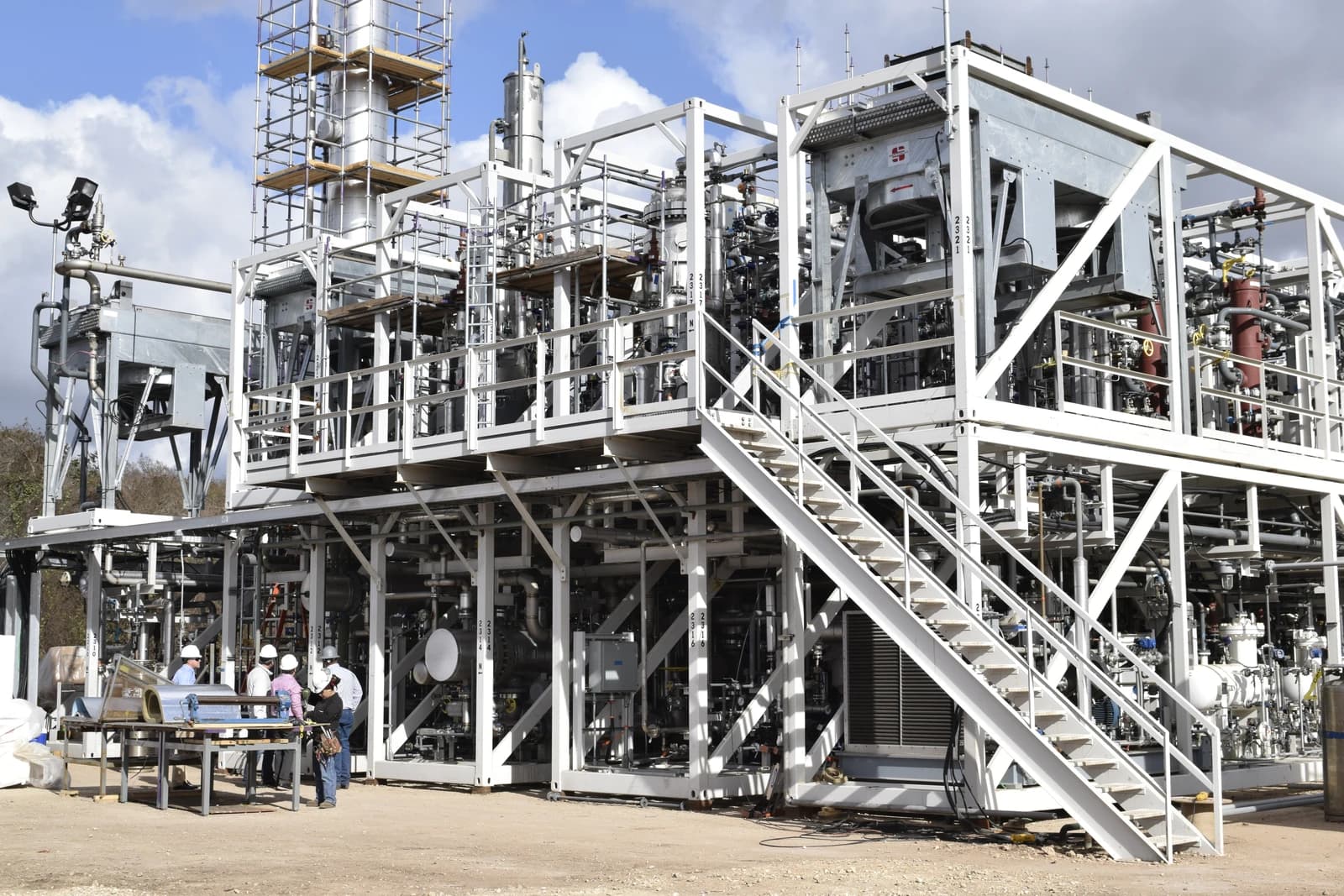
That matters because most of the gas was burned by the state electricity company, which used 5.338 billion cubic feet. The National Oil Corp itself consumed 660 million cubic feet, while cement plants took 188 million cubic feet. In other words, Libya’s gas market is not being driven by household demand or a broad manufacturing rebound; it is being pulled by the electricity grid and a handful of heavy users.
Sentiment Indicators
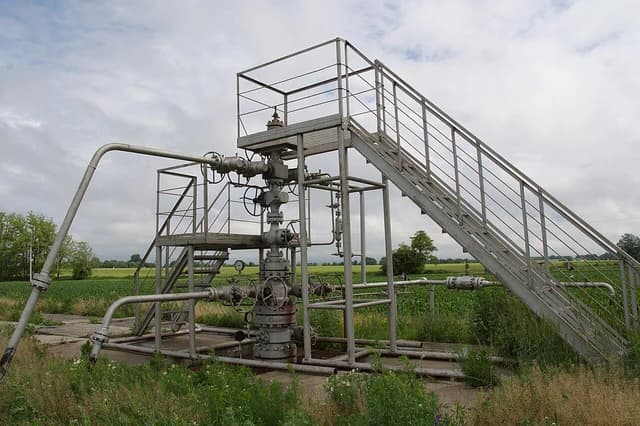
For investors, that is a reminder that the real story in Libya is less about near-term gas pricing and more about infrastructure, reliability and fiscal stability. When a power utility absorbs the bulk of domestic gas supply, any disruption in production, pipeline handling or gas allocation can quickly spill into electricity shortages, industrial slowdowns and government spending pressure. That makes the sector strategically important even in a country where global oil headlines often dominate.
The data also fits a wider energy backdrop in which natural gas remains both essential and politically sensitive. Around the world, producers are trying to balance local demand, exports and the need to keep power systems running, while investors are weighing whether gas can sustain its role as a transition fuel. Libya’s figures show that for some markets, the question is not whether gas matters, but whether the state can manage enough of it to keep the economy functioning.
For long-term investors, the takeaway is straightforward: gas demand in Libya is still concentrated, state-led and infrastructure-dependent. That can support upstream and utility activity if supply stays intact, but it also means volatility is part of the story. This is one to watch for what it says about Libya’s energy resilience, not as a quick trading signal.
| Entity | Gains | Losses |
|---|---|---|
| Libya’s power utility | ▲Reliable fuel access | ▼Budget flexibility |
| National Oil Corp | ▲Higher domestic gas throughput | ▼Supply pressure |
| Cement factories | ▲Steady industrial fuel supply | ▼If gas is rationed |
| Consumers and economy | ▲More stable electricity output | ▼If outages rise |