Kyrgyzstan is preparing to tap China’s capital markets for the first time, a shift that could widen financing options for one of Central Asia’s smallest sovereign borrowers and underscore the growing pull of the yuan in regional funding.
Kyrgyzstan Plans Yuan Bonds for 2027
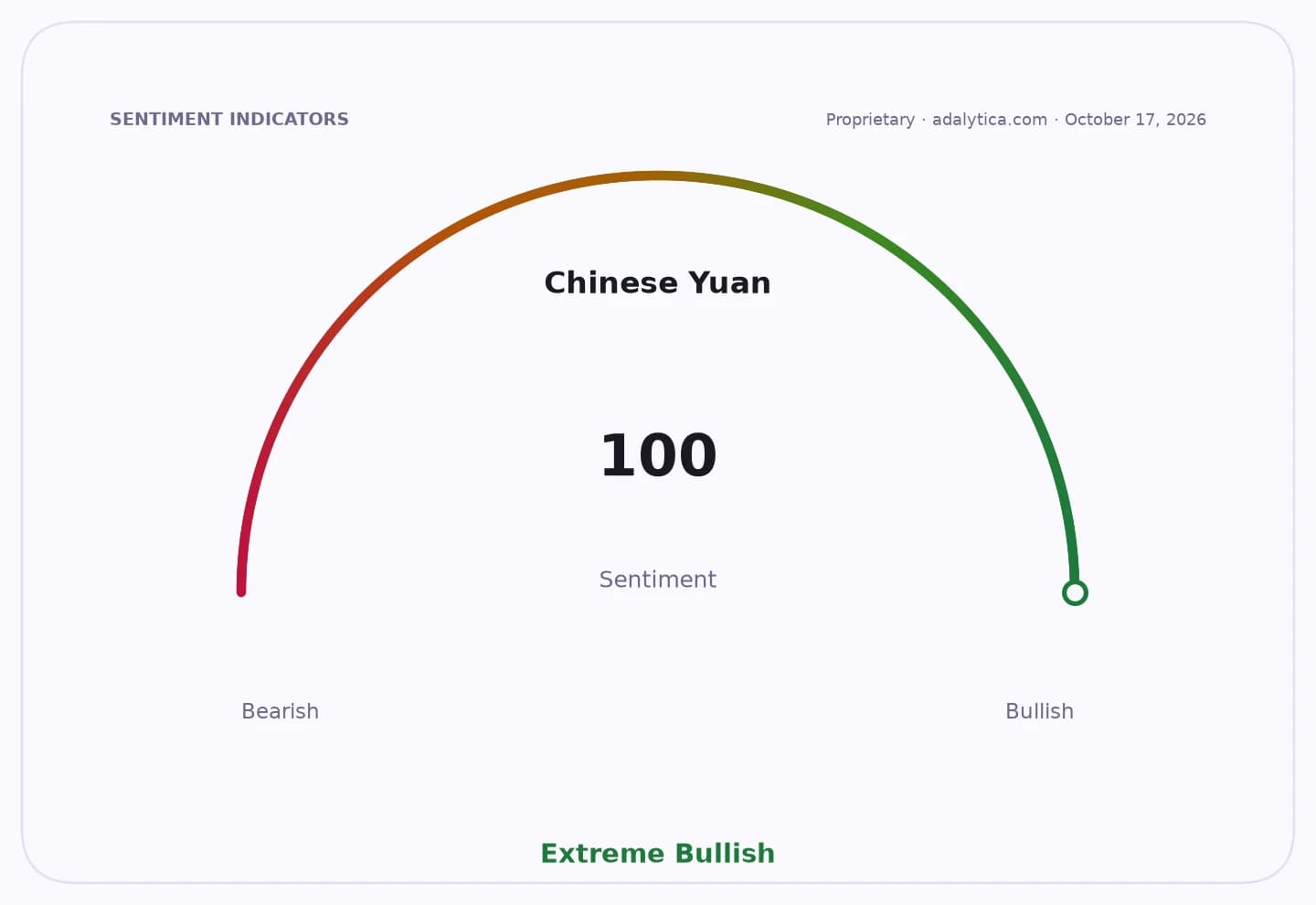
Chinese Yuan
The government is considering issuing yuan-denominated bonds in 2027 and is studying potential listings in Hong Kong and Shanghai, National Bank Chairman Almaz Baketaev said, according to local media. The move would follow Kyrgyzstan’s debut eurobond sale in 2025, when it raised $700 million, and reflects an effort to broaden its investor base beyond Western markets.
Sentiment Indicators
For a country with limited domestic financing capacity, the significance is not just access to cash but access to cheaper and more diversified funding. Baketaev said the authorities had already tested Western debt markets and now see “East” as the next source of borrowing, noting yuan bonds may also prove less expensive. That matters economically because sovereign funding costs feed directly into budget flexibility, infrastructure spending and debt sustainability for frontier issuers with narrow fiscal buffers.
The potential deal also fits a broader geopolitical and trade narrative. China was Kyrgyzstan’s largest source of foreign direct investment last year, accounting for nearly half of total inflows, and the yuan is taking on a larger role in the country’s reserves and cross-border payments. A successful bond sale would reinforce that financial integration and could encourage other nearby borrowers to consider renminbi debt as China’s capital markets become more relevant to Belt and Road economies.
For investors, the story cuts both ways. On the bullish side, a yuan bond would give Kyrgyzstan a fresh funding channel and potentially lower refinancing pressure if pricing comes in below comparable dollar debt. It could also appeal to investors looking for exposure to a sovereign story tied to China’s regional influence. On the bearish side, the market remains highly dependent on execution, foreign demand and the broader appetite for emerging-market and carry trades. Funding in yuan can also introduce currency and liquidity considerations that differ from the dollar market.
Kyrgyz officials plan to meet investors in Hong Kong in November, with final size and timing dependent on market conditions. Oppenheimer & Co. is working with the government on the possible transaction, Bloomberg reported. If the deal proceeds, it would mark a small but symbolically important step in the gradual shift of frontier sovereign financing toward Asia.
| Entity | Gains | Losses |
|---|---|---|
| Kyrgyzstan | ▲New funding source | ▼Reliance on pricier markets |
| Chinese bond market | ▲More sovereign issuance | ▼Less global dominance for dollar debt |
| Investors in yuan debt | ▲Yield and diversification | ▼Currency and liquidity risk |
| Western lenders | ▲Less demand share | ▼Smaller role in sovereign funding |