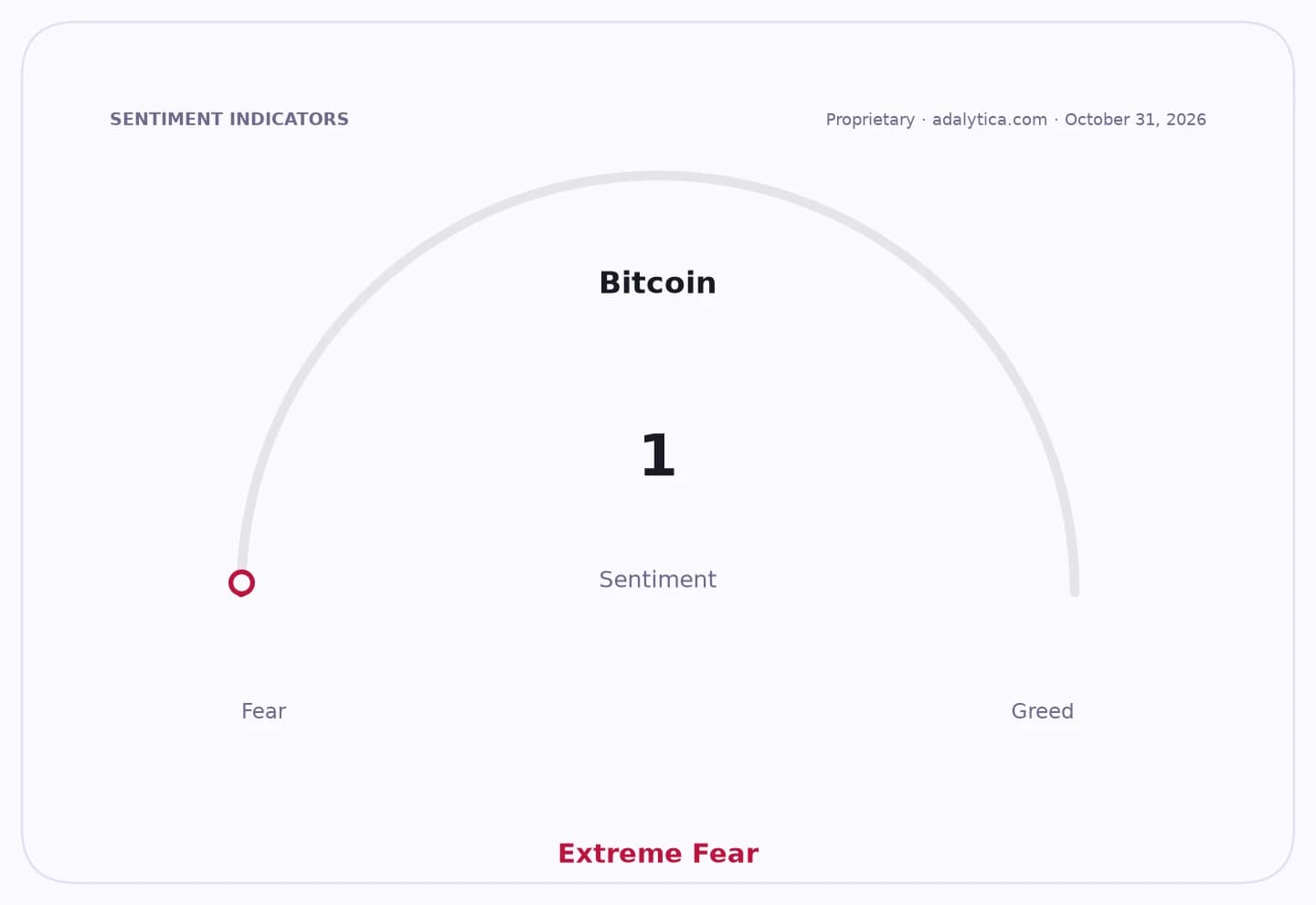
Kosy chairman Nguyen Viet Cuong has had only 810 KOS shares sold to cover a margin call, but the tiny forced sale sits inside a much bigger warning for investors: a steep, prolonged slide in the stock is triggering broker liquidations and squeezing confidence around the company.
Kosy KOS faces margin sales after steep stock drop
For long-term investors, that matters because forced selling is rarely about fundamentals alone. When lenders cut margin limits and begin selling pledged shares, the market is telling you that liquidity is tightening faster than shareholders would like. In KOS’s case, the pressure has spread beyond the chairman to related insiders and investment vehicles, suggesting the decline has become a financing story as much as a market story.
According to a disclosure dated Oct. 6, brokerages sold 810 shares belonging to Nguyen Viet Cuong between Sept. 30 and Oct. 6. He still holds 72.3 million shares, or 33.43% of Kosy. Kosy Real Estate Investment Co. also reported a forced sale of 8,000 shares, while the company said on Oct. 5 that broker Capital had tried to sell 565,000 shares owned by Vice Chairwoman Nguyen Thi Hang and 590,000 shares owned by Deputy CEO Nguyen Thi Phuong Thao, though neither order found a match. Leo Regulus, another shareholder linked to Cuong, had 4,500 shares liquidated in late September.
The broader market damage has been far more serious than those individual numbers suggest. KOS fell 6.9% to 12,750 dong on Oct. 6, extending a run that has erased more than 57% from a recent peak of 30,050 dong. The company’s market value has shrunk to about 2.76 trillion dong, and the stock’s weakness has been enough to trigger margin reductions at some brokerages. The recent price slide has also pushed the stock into technically weak territory, with its relative strength index deeply oversold and the share price below its 50-day moving average, a sign momentum remains fragile.
Kosy blamed the selloff on a cautious market, thinner trading liquidity and forced margin liquidations after brokerages lowered lending ratios on KOS. The company said its real estate, renewable energy and project operation businesses are continuing as planned and denied any abnormal internal event is behind the drop. That is an important message, but investors tend to care less about the company’s reassurance than about whether the balance sheet and shareholder structure can withstand a prolonged de-rating.
There is also a strategic backdrop worth watching. Kosy recently approved the transfer of its entire stake in CTCP Tư vấn Đầu tư Xây dựng Thủy điện, removing the hydropower business and the Nậm Pạc plants from its consolidated group. That kind of portfolio reshaping can help simplify assets, but it also underscores a company in transition at the very moment its shares are under pressure.
For investors, the key question is not whether 810 shares is meaningful on its own. It is whether the forced selling marks the point where leverage, sentiment and falling prices begin to reinforce each other. If KOS stabilizes, the current washout could eventually look like a reset. If not, more pledged shares could come under pressure, and the stock may keep trading more like a financing risk than a growth story. For now, KOS belongs on the watchlist, not the forget list.
| Entity | Gains | Losses |
|---|---|---|
| Short sellers | ▲More downside pressure | ▼N/A |
| Margin lenders/brokerages | ▲Higher collateral protection | ▼Client exposure risk |
| Existing KOS shareholders | ▲Potential eventual reset | ▼Mark-to-market losses |
| Nguyen Viet Cuong and insiders | ▲Retain large holdings | ▼Forced sales and weaker control |