Kosovo’s new 500-euro minimum wage is colliding with the reality of outsourced public services, as technical school workers say they are still being paid 390 euros a month, exposing a compliance gap that could raise labor costs for municipalities and their contractors.
Kosovo minimum wage enforcement gap hits school workers
That matters because wage floors only change the economy if they are enforced. When private firms running school cleaning and technical services continue to pay below the legal minimum, the cost of the policy is pushed down the chain to workers, while the state risks undermining both household income and confidence in labor institutions. The issue is not symbolic: for low-paid service workers, a 110-euro monthly shortfall is a meaningful hit to consumption in a country where wages remain politically sensitive and labor standards are already a flashpoint.
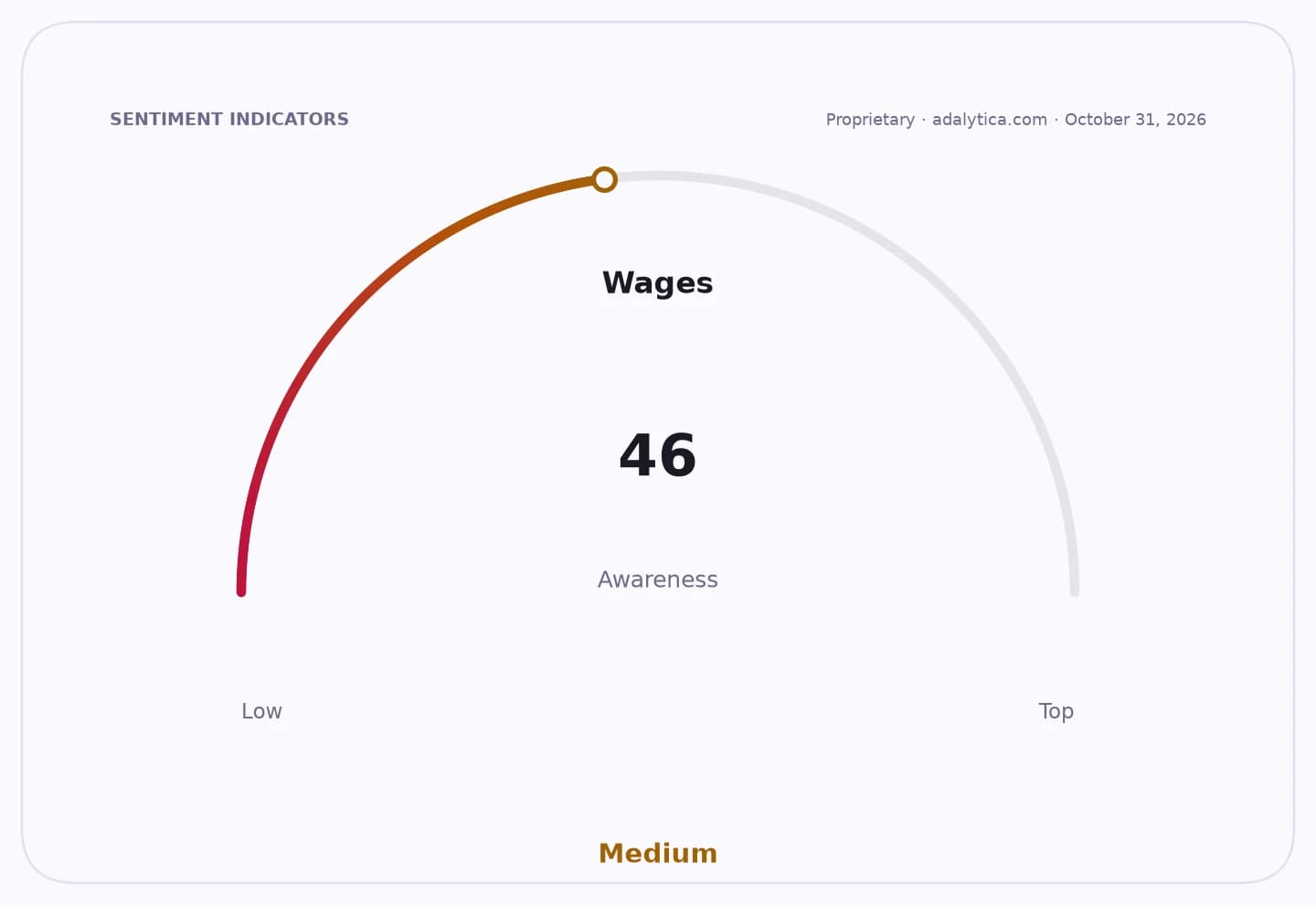
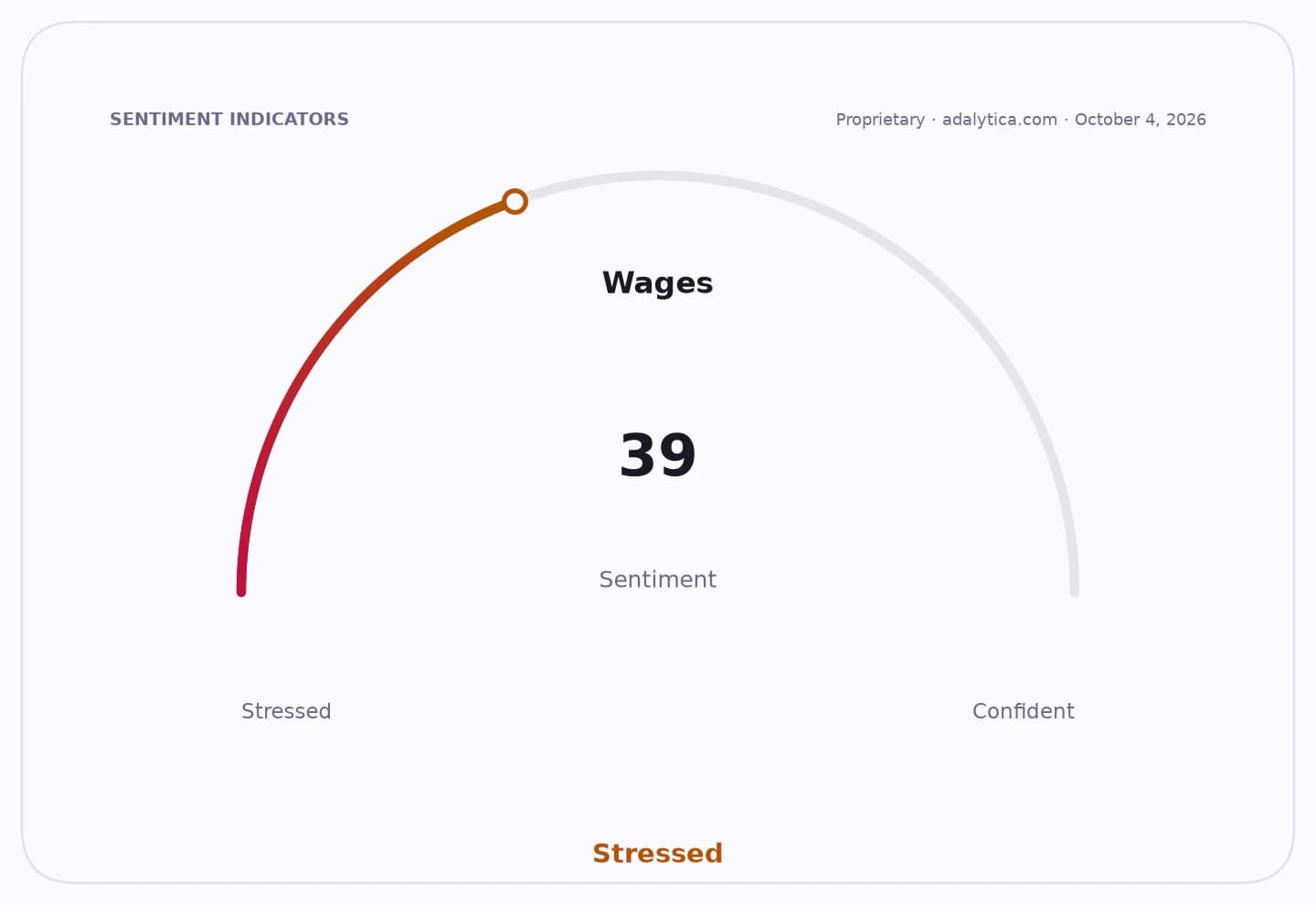
Sentiment Indicators
The complaint came from Hykmete Bajrami of the LDK, who accused the Central Labor Inspectorate of failing to act and said municipalities and contractors should not solve budget or contract problems “on the back of workers.” Her criticism also sharpened the political contrast with the government’s decision to set aside about 130 million euros for a 13th salary in the public sector through a budget revision, while private-sector workers tied to public contracts remain below the legal floor.
For investors and business owners, the message is clear: wage policy in the Balkans is moving from headline politics to enforcement risk. Companies that rely on labor-intensive public procurement face margin pressure if they have not adjusted contracts for the higher minimum wage, and local governments may be forced to renegotiate service agreements or absorb higher operating costs. That creates a broader second-order effect for consumer demand, municipal spending and the profitability of outsourced service providers.
The market implication is less about Kosovo alone than about a regional pattern. When governments raise minimum wages without tightening enforcement, the result is often a patchwork of compliance, labor disputes and delayed adjustment in subcontracting chains. If the inspectorate steps in, the burden shifts quickly to contractors and municipalities; if it does not, the credibility of the wage policy erodes.
Our thesis is that the real investable story here is not the politics of a single pay packet, but the coming repricing of labor costs across public-private contracts. The winners are workers and firms prepared to absorb or pass through higher wages; the losers are low-margin contractors and public budgets that were priced for an older wage regime. The next catalyst is enforcement, and that is where the market will learn whether Kosovo’s minimum wage is a law or merely a headline.
| Entity | Gains | Losses |
|---|---|---|
| Technical school workers | ▲Higher legal pay | ▼Current 390-euro wages |
| Municipal contractors | ▲Contract repricing | ▼Margin pressure |
| Kosovo government | ▲Labor-policy credibility if enforced | ▼Political backlash if not |
| Low-margin service firms | ▲None | ▼Higher payroll costs |