A Korean labor study is challenging one of corporate America’s oldest assumptions: for workers with no prior experience, the way a team is run can matter more for early turnover than wages. That has direct implications for employers trying to reduce hiring costs, improve productivity and avoid a revolving door of new staff.
Korean labor study links culture to turnover
Job Market
The research, presented by Seoul National University of Science and Technology professor Noh Yong-jin at a recent academic conference and based on 2020-2023 data from 1,479 companies, found that relationship-focused workplace culture lowered turnover among inexperienced new hires, while task-heavy team structures raised it.
Sentiment Indicators
The biggest takeaway for investors and employers is that retention is not just a compensation issue. In the regression analysis, relationship-oriented culture such as “a family-like atmosphere” and “emphasis on harmony and unity” carried a coefficient of -3.403, indicating lower turnover, while task-oriented traits including active participation in decisions, broad job rotation and strong autonomy scored 4.914, pointing to higher turnover.
By comparison, pay had a much smaller effect at -0.048 and working hours at -0.271. Coaching and mentoring also helped, but only modestly, with a coefficient of -1.382.
That matters because hiring and training losses hit margins long before they show up in headline payroll figures. For companies in labor-intensive sectors such as retail, logistics, restaurants and e-commerce, churn among new employees can lift recruiting costs, disrupt service quality and slow execution. Amazon, Walmart and McDonald’s all face that risk to varying degrees, with staff retention already a recurring issue in their filings and workforce disclosures.
The study suggests a practical fix: helping inexperienced hires adapt to team-based decision-making and autonomy may reduce early exits. Noh argued that relationship management had a stronger effect on turnover among inexperienced workers than among experienced ones, implying that the absence of prior job exposure makes organizational adjustment especially important.
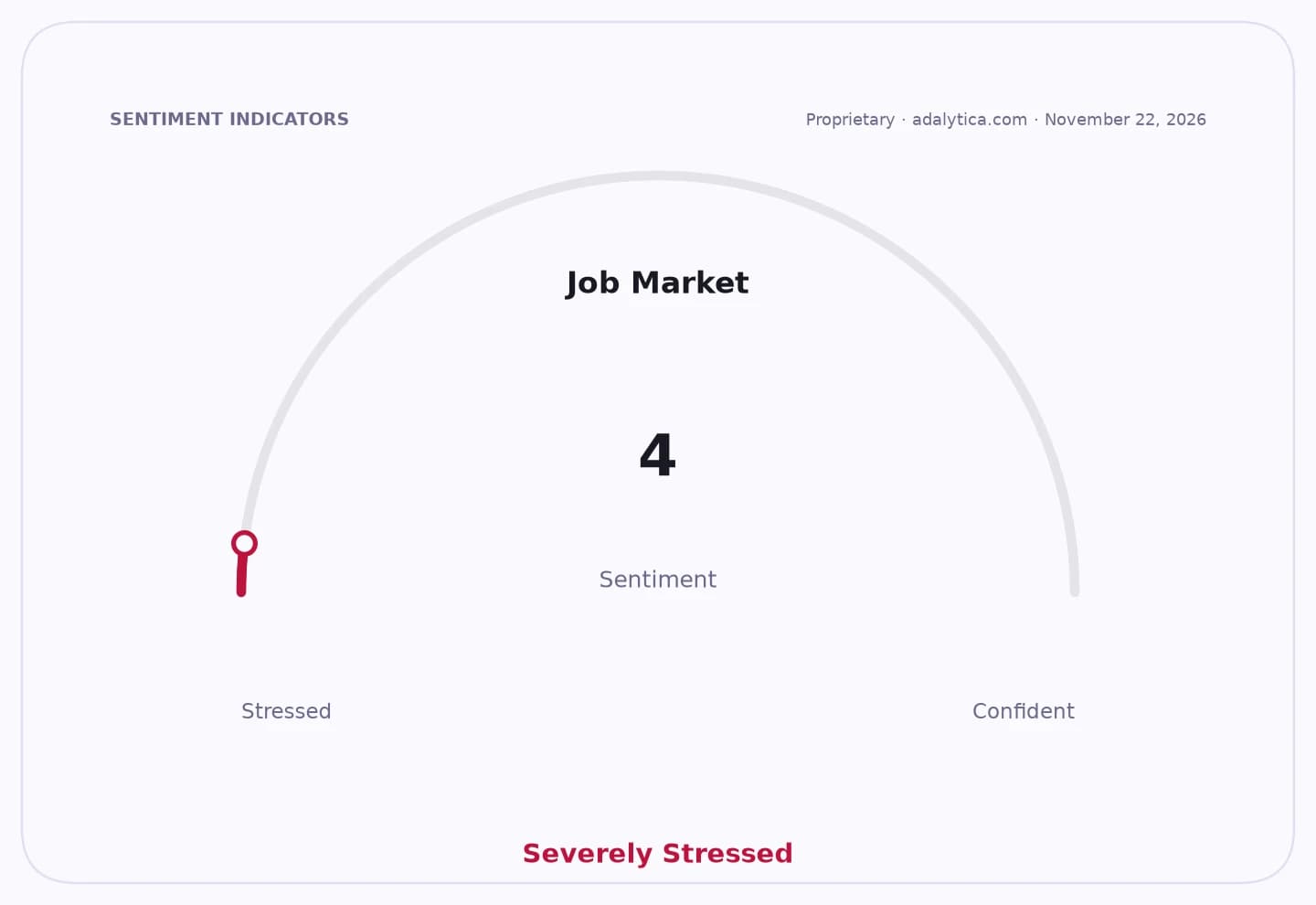
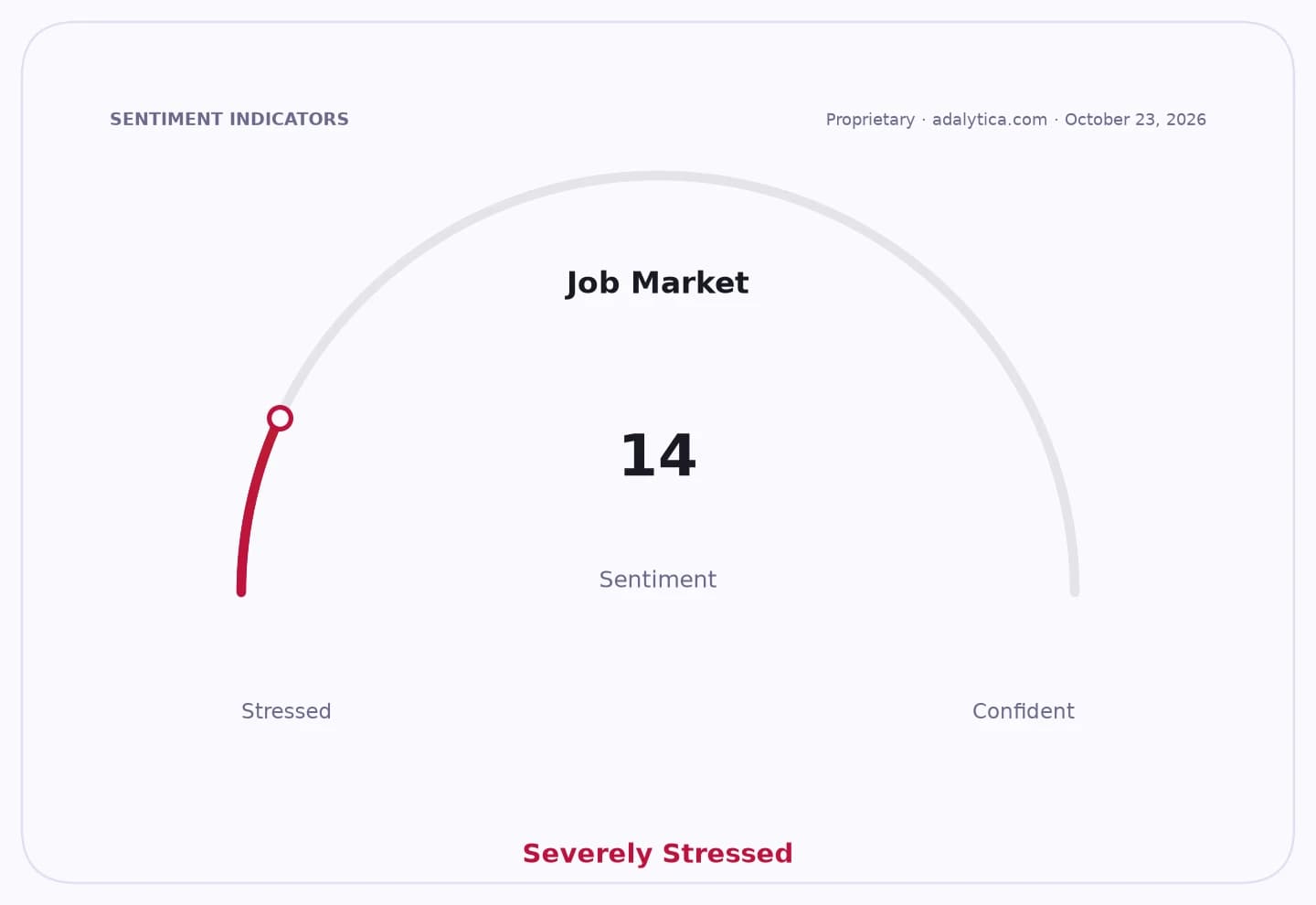
The broader backdrop is a labor market where pay still matters, but engagement and workplace design are increasingly part of the retention equation. Adalytica’s Job Market Sentiment gauge is in “fear” territory at 25, underscoring persistent anxiety around job stability, while payroll sentiment remains elevated, suggesting employers are still hiring even as keeping workers becomes more difficult.
For investors, the message is straightforward: companies that improve onboarding, mentoring and team culture may protect margins without relying solely on wage increases. The next test is whether firms translate that into lower attrition, better productivity and fewer labor-related cost surprises in upcoming earnings reports.
| Entity | Gains | Losses |
|---|---|---|
| Employers with strong onboarding | ▲Lower early turnover | ▼Higher training waste |
| Inexperienced new hires | ▲Better adjustment support | ▼Faster exit from poor-fit teams |
| Amazon, Walmart, McDonald’s | ▲More stable staffing | ▼Margin pressure from churn |
| Wage-only retention strategies | ▲Less reliance on pay hikes | ▼Reduced effectiveness |