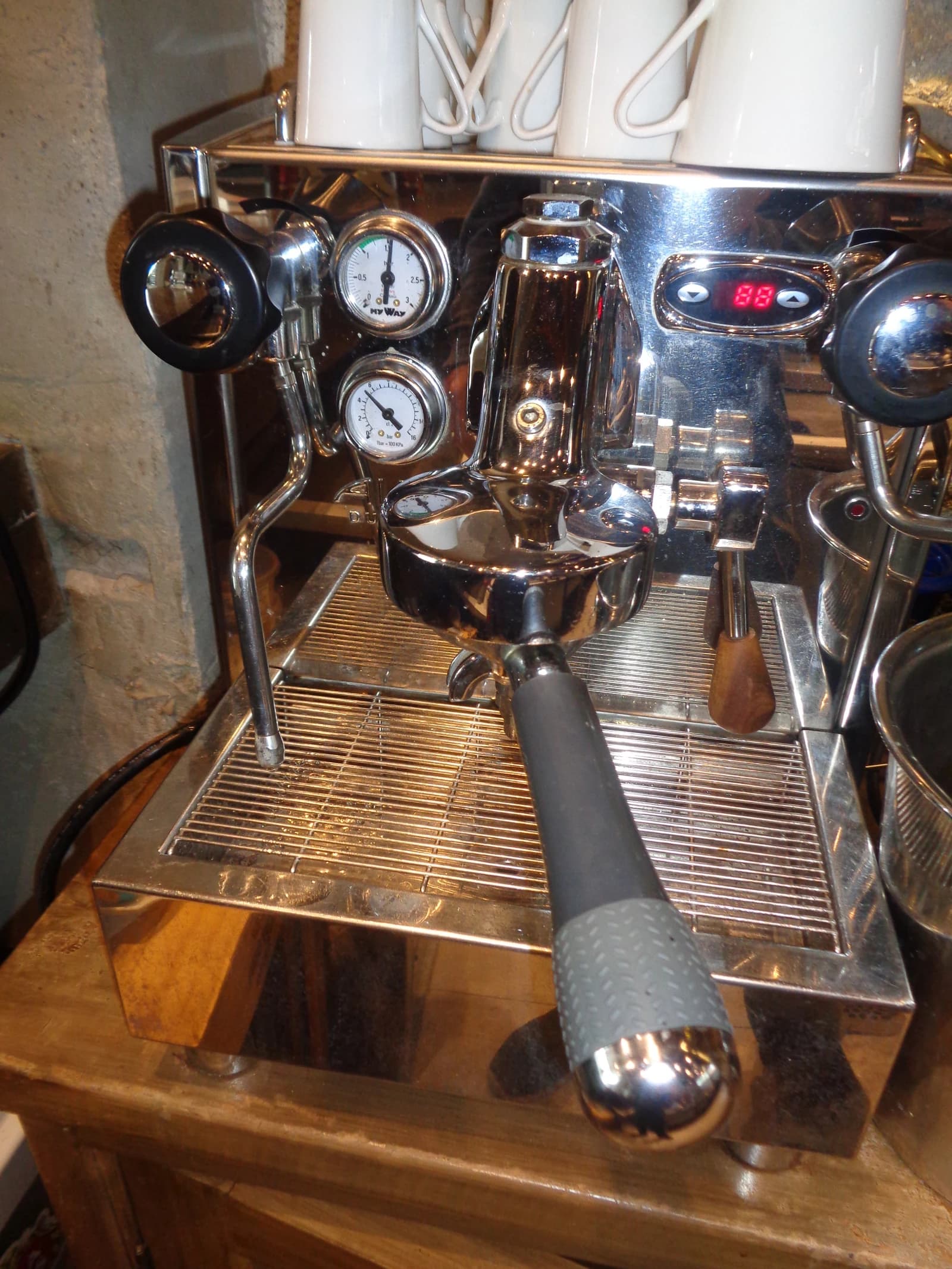
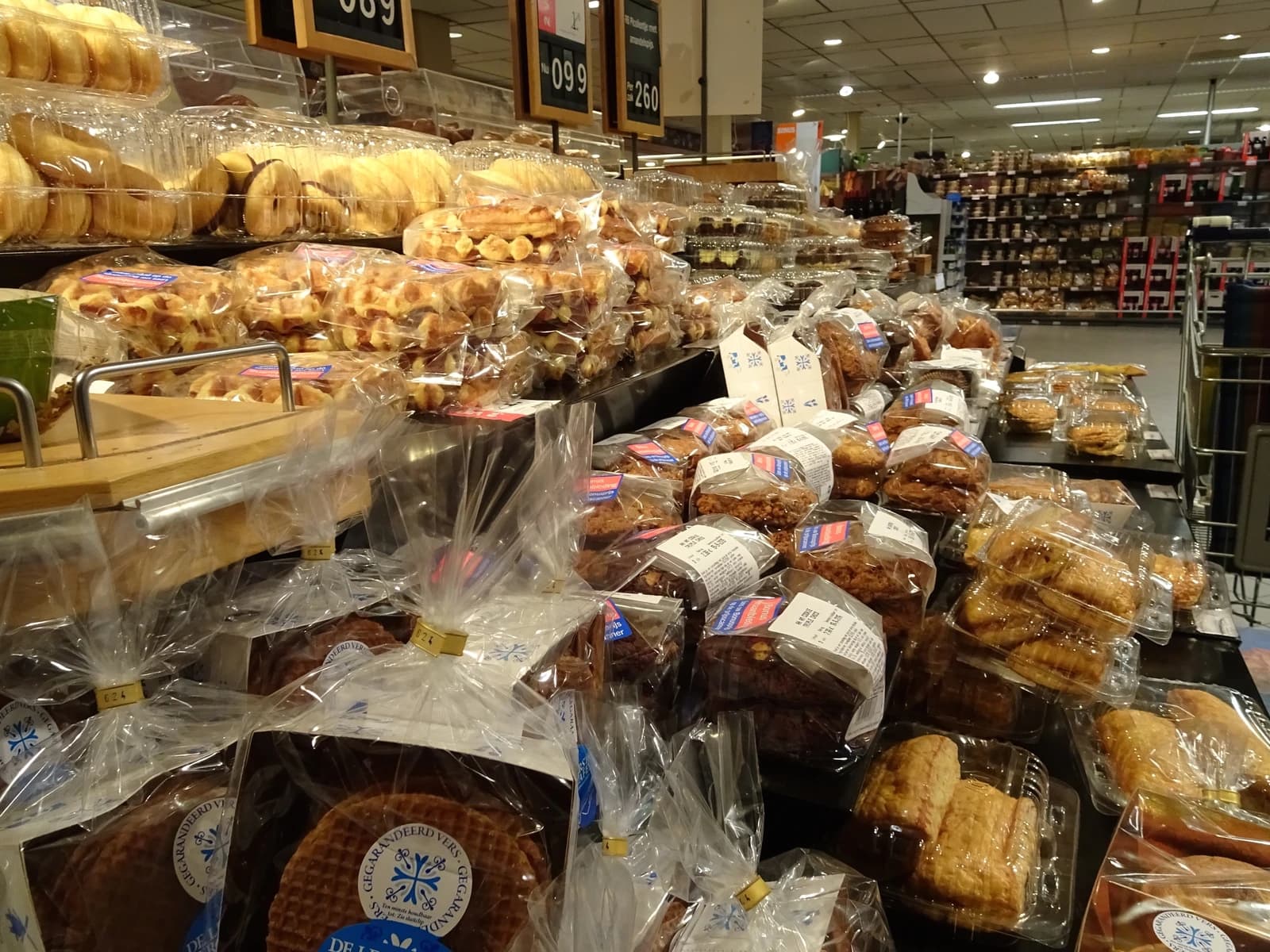
Amazon’s deep discount on a Nespresso Krups espresso machine is the latest sign that the at-home coffee market remains intensely promotional, a backdrop that matters for Keurig Dr Pepper’s coffee business and for rivals fighting to protect appliance margins.
Keurig Dr Pepper Rises as Coffee Deals Stay Heavy
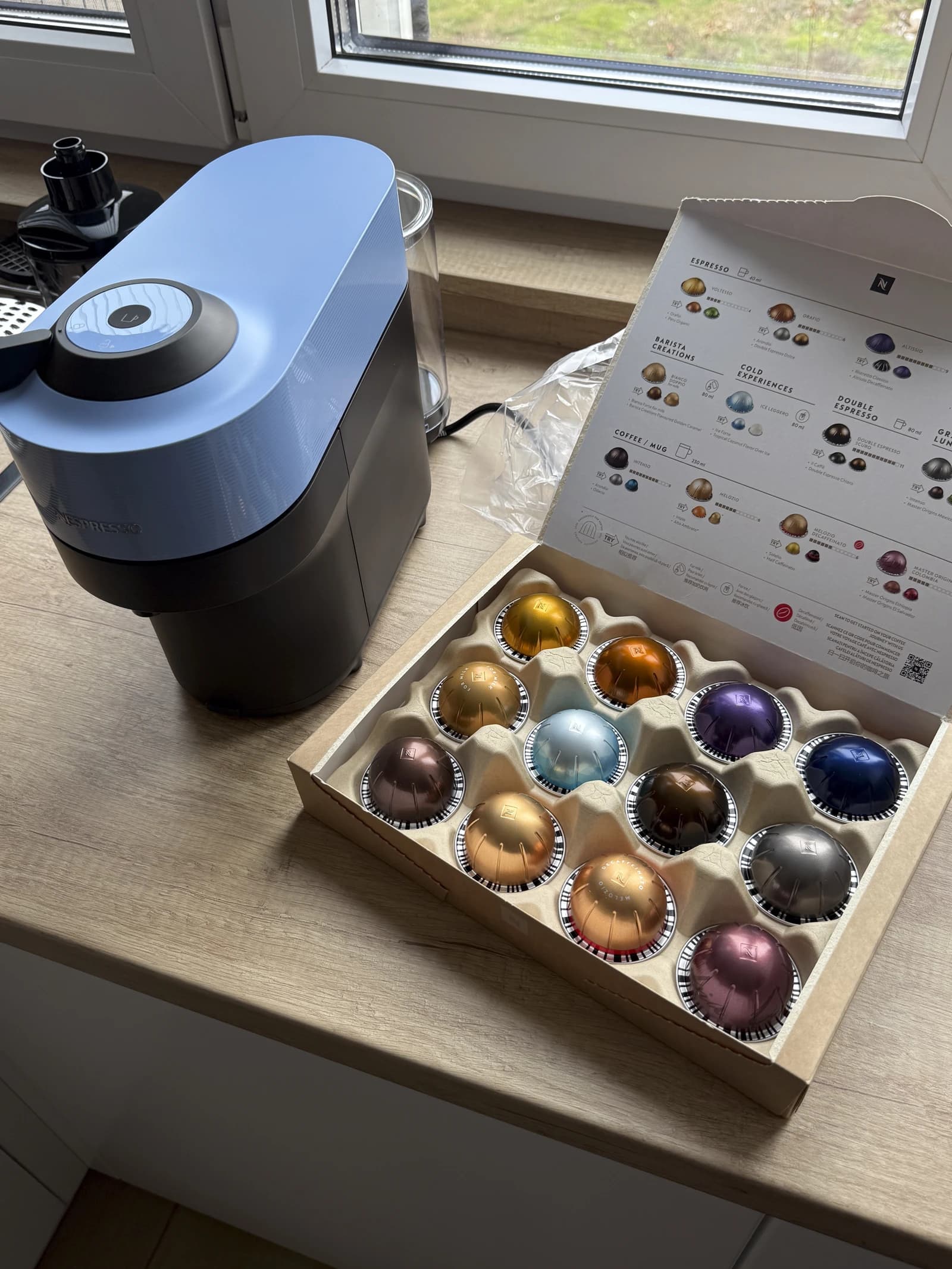
For consumers, the ultra-reduced price keeps premium espresso hardware within reach at a time when interest in home brewing is still strong. For manufacturers and retailers, it underscores how dependent the category has become on price cuts to move inventory, especially as shoppers weigh a one-time machine purchase against repeated café spending.
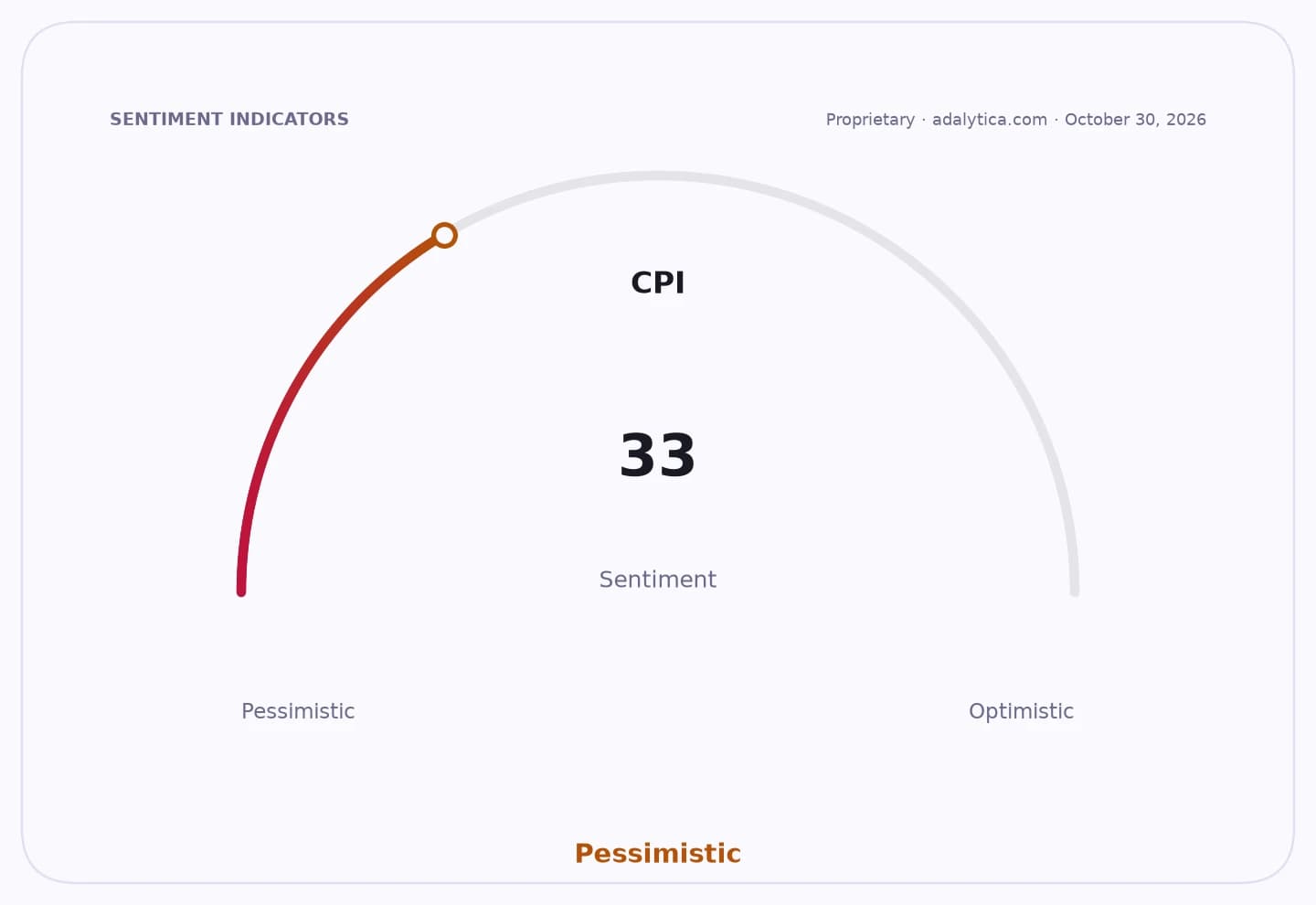
Sentiment Indicators
The tradeoff is important economically because coffee equipment sits at the intersection of discretionary spending and daily habit formation. A strong consumer spending backdrop can support demand for premium machines, but promotions also compress gross margins and can pull demand forward rather than create durable volume growth. Adalytica’s Consumer Spending Sentiment is in “Extreme Greed” territory at 93, suggesting households are still willing to spend, yet the 30-day jump in sentiment also points to a market where retailers may be leaning harder on discounts to capture that willingness.
Keurig Dr Pepper, whose shares have climbed to $35.84 from $26.78 in mid-January, is trading well above both its 50-day moving average of $32.33 and 200-day average of $29.64, reflecting investor confidence in the broader beverage franchise. But the stock’s recent technical readings also show stretched momentum, with RSI at 79.8 and price near the upper Bollinger Band, a sign that the market is already pricing in a fair amount of optimism. Any evidence that coffee appliance promotions are eroding pricing power could test that view.
Consumer Spending vs KDPadalytica.com
Explore this data interactively — full history, time series and cross-market comparisons.
The set-up also matters for competitors such as De’Longhi and other small-appliance brands, which face the same squeeze: drive volume with markdowns or defend profitability and risk losing shelf space and online visibility. On the other side, Amazon benefits from higher traffic and conversion, while consumers gain cheaper access to premium brewing equipment. The downside is borne by brands trying to hold price discipline in a category increasingly shaped by deal-hunting rather than full-price demand.
The broader narrative is that home coffee remains a durable consumer habit, but the path to growth is getting more promotional. If discounts persist through the holiday period, investors will be watching whether machine sales broaden without further margin erosion, or whether the category’s volume gains are being bought at the expense of long-term profitability.
| Entity | Gains | Losses |
|---|---|---|
| Amazon shoppers | ▲Cheaper espresso machines | ▼None immediately |
| Amazon | ▲Higher traffic and conversion | ▼Lower-margin sales mix |
| Keurig Dr Pepper / rivals | ▲Volume support | ▼Pricing power and margins |
| Cafés | ▲None | ▼Some at-home substitution |