Kazakhstan’s plan to raise the minimum wage to 110,000 tenge from 85,000 tenge from Jan. 1, 2027 will lift pay for nearly 1.8 million people, but it will also raise labor costs for employers in low-margin, labor-intensive industries.
Kazakhstan to Raise Minimum Wage to 110,000 Tenge in 2027
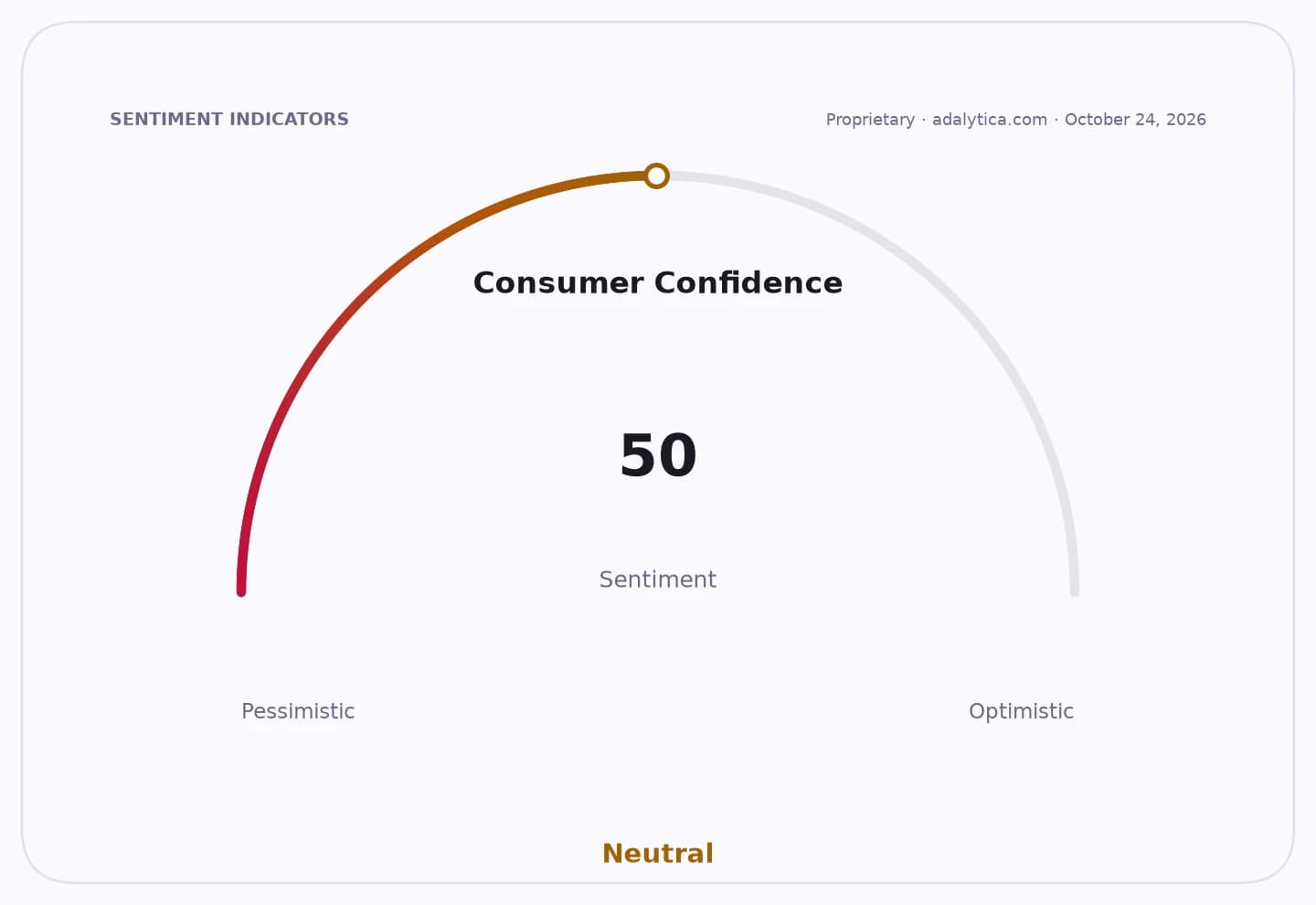
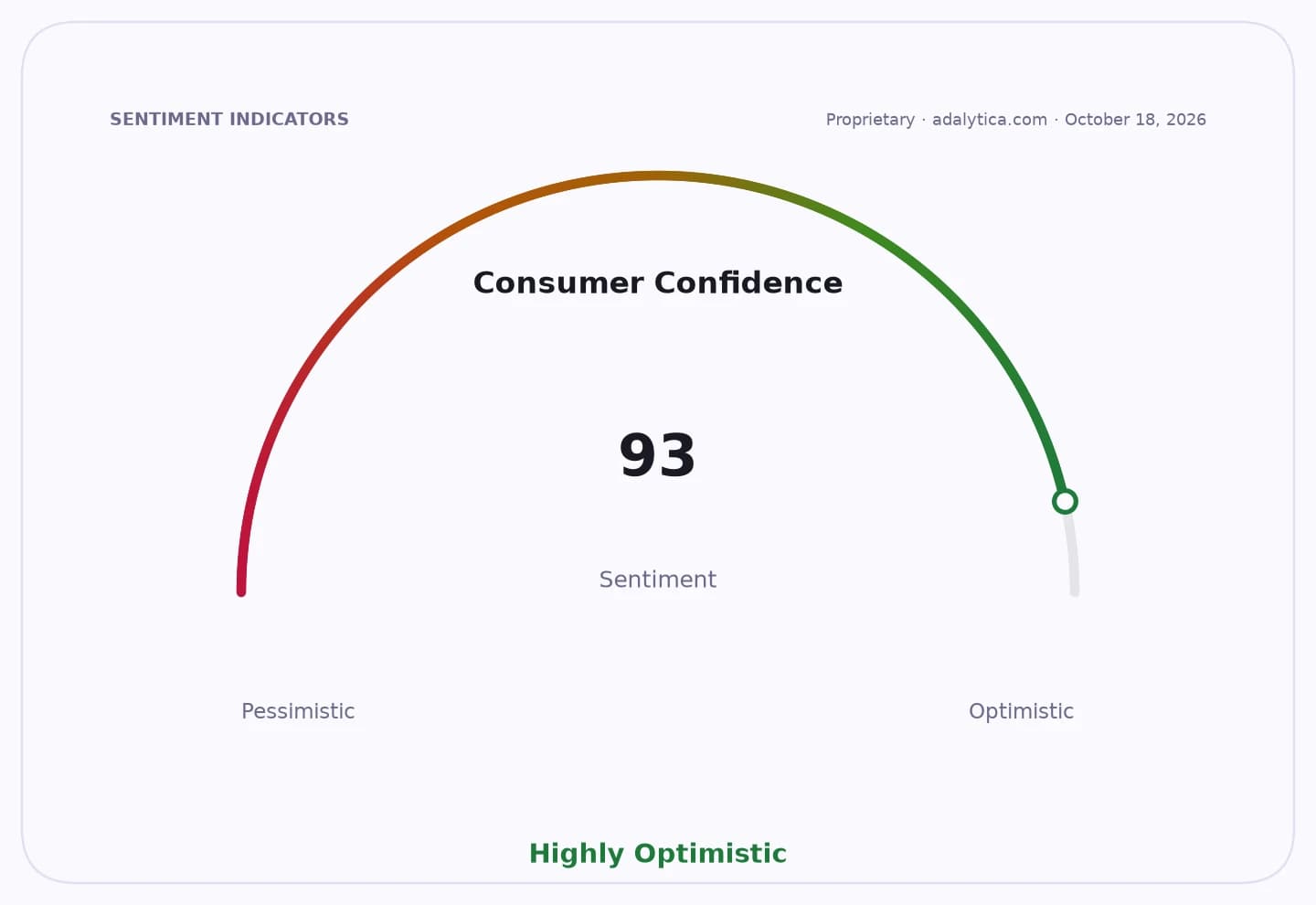
Consumer Confidence
The 29.4% increase is the clearest wage-policy shift in Kazakhstan since the minimum salary was last set in early 2024, and it comes after about 30% cumulative inflation over the past three years. In that sense, the move is less a stimulus than a catch-up adjustment aimed at preserving purchasing power for the lowest-paid workers.
Sentiment Indicators
For households, the change should provide the biggest benefit to employees on or near the wage floor, including more than 370,000 budget-sector workers. That matters economically because the minimum wage anchors disposable income at the bottom of the labor market, where spending is most sensitive to price rises and basic goods account for a larger share of budgets.
For business, the impact will be uneven. Companies in sectors such as food service and other labor-intensive services are likely to feel the pressure first as wage bills, payroll taxes and social contributions rise. Firms with thin margins may try to pass those costs on through higher prices, especially if higher pay boosts demand for food and everyday consumer goods. Others may absorb the increase through lower margins or productivity gains.
The broader inflation effect may be limited, at least initially. The average wage in Kazakhstan is already far above the minimum, and the median wage also sits well above the new floor, suggesting the policy affects only the bottom slice of the labor market rather than the economy as a whole. Still, a higher minimum can ripple through pricing in low-end services and through the cost structure of small businesses and sole proprietors that calculate some contributions from the minimum wage.
The policy also has second-round effects for social payments and borrowing. A higher minimum wage lifts the ceiling on some benefits tied to seven times the minimum salary, while workers on low incomes may improve their chances of qualifying for consumer credit. That could support household demand, but it also raises the risk of greater leverage among financially stretched borrowers.
For investors, the key question is whether wage support improves consumption without forcing a broader margin squeeze. Retailers, food-service operators and other domestic consumer-facing businesses stand to gain from stronger household purchasing power, while employers with large low-wage workforces face the most direct cost pressure. The overall outcome will depend on how quickly firms can pass through costs and whether wage gains are matched by productivity.
| Entity | Gains | Losses |
|---|---|---|
| Low-income workers | ▲Higher take-home pay | ▼None immediate |
| Budget-sector employees | ▲Better earnings support | ▼Budget strain risk |
| Labour-intensive businesses | ▲Stronger consumer demand | ▼Higher payroll costs |
| Consumers and banks | ▲Better credit access | ▼Higher default risk |