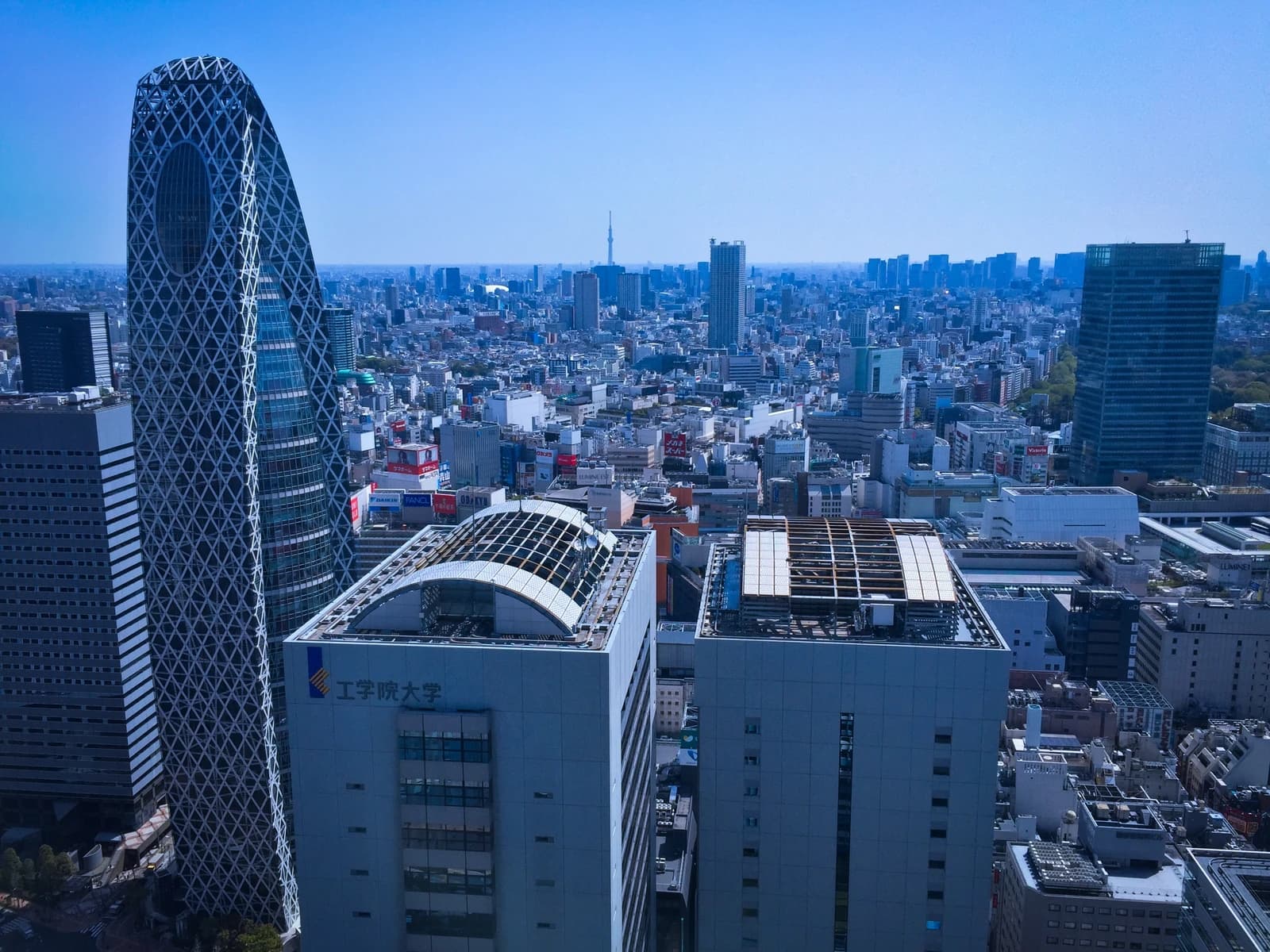
Japan Hotel REIT Investment Corp. said it will borrow JPY 4.9 billion in new loans, including a green loan, to refinance maturing debt and help fund renovations at Hilton Tokyo Odaiba, underscoring how Japanese property trusts are still using secured bank funding to extend maturities and finance capex without materially changing their leverage profile.
Japan Hotel REIT Borrows JPY 4.9 Billion
The refinancing matters because it replaces loans due on Sept. 30, 2026 with longer-dated funding, while also tapping the green finance market for part of the structure. JHR said Term Loan 134, worth JPY 4.25 billion, will be designated a green loan under its framework and used to repay borrowings tied to Hilton Tokyo Narita Airport, International Garden Hotel Narita and Hotel Nikko Nara, while a separate JPY 700 million loan will refinance the remaining balance.
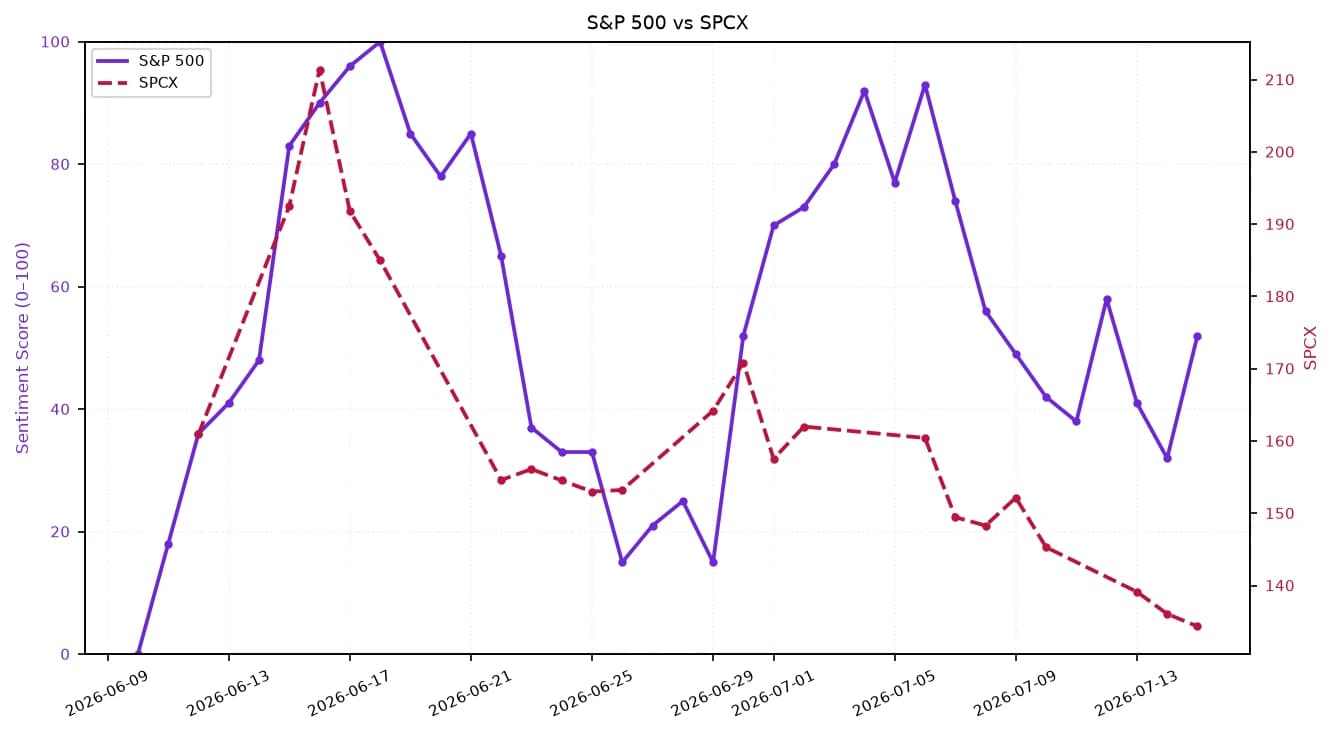
Sentiment IndicatorsⓘProprietary · adalytica.com · September 18, 2026
This is a snapshot — live sentiment, awareness and momentum for 130+ markets update continuously in the dashboard.Open AlphaPulse
The new borrowing will come from a group of major Japanese lenders led by Sumitomo Mitsui Banking Corp., Mizuho Bank and MUFG Bank. The company plans to hedge the floating-rate exposure with interest rate swaps, a reminder that even in a lower-rate environment, hotel landlords remain focused on locking in financing costs.
For investors, the deal is less about growth than balance-sheet management. JHR said total interest-bearing debt will rise to JPY 339.2 billion from JPY 334.3 billion after the transaction, but the fixed-rate share is expected to remain around 79%, limiting sensitivity to short-term rate moves. The structure also keeps the borrowing unsecured and unguaranteed, preserving flexibility for a REIT that depends on steady access to bank financing.

The transaction lands at a time when hotel REITs are balancing renovation spending against still-elevated financing costs and uneven demand trends across the lodging sector. By linking refinancing to a green loan and property upgrades, JHR is signaling that capital discipline and sustainability-linked funding remain central to how Japanese hospitality REITs manage portfolios and placate lenders.
The next focus for investors will be whether the renovation spend at Hilton Tokyo Odaiba and the refinancing package improve asset quality enough to support cash flow, while keeping debt costs contained as the 2026 maturity wall approaches.
| Entity | Gains | Losses |
|---|---|---|
| Japan Hotel REIT Investment Corp. | ▲Maturity extension; green financing access | ▼Higher total debt |
| Lenders | ▲New secured relationship; swap-related fee income | ▼Credit exposure to hotel assets |
| Unitholders | ▲Better debt rollover visibility | ▼Limited near-term cash flow upside |
| Competing hotel REITs | ▲Benchmark for green refinancing | ▼Pressure to match funding terms |