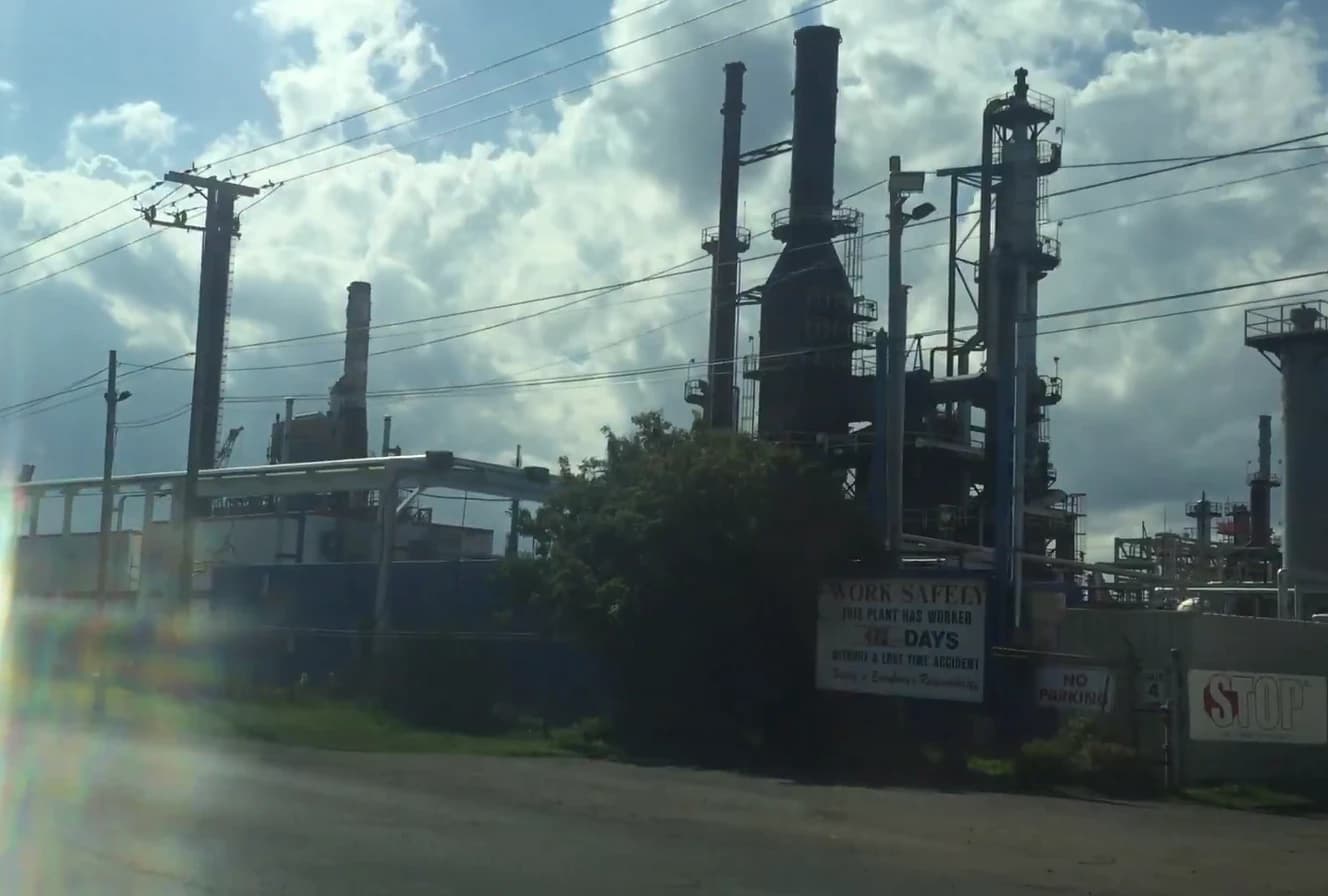
JANAF has resumed regular oil transport for Serbia’s NIS after completing repairs to a damaged section of its pipeline between Sisak and Slavonski Brod, restoring a key supply route for the Pančevo refinery and easing a fresh disruption in regional crude logistics.
JANAF resumes oil transport to Serbia’s NIS
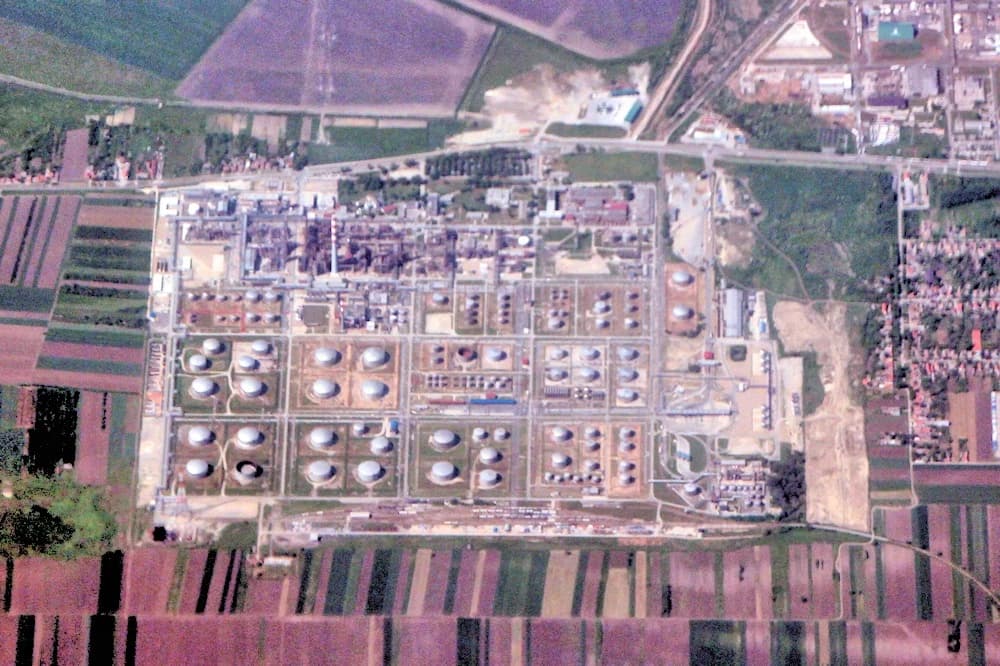
The restart matters because JANAF is the main transit corridor for seaborne crude into Serbia, and any interruption quickly translates into inventory pressure, higher logistics costs and operational uncertainty for NIS, which relies on steady pipeline deliveries to keep the refinery running. In a region still vulnerable to supply shocks, even a temporary outage can ripple through refining margins, transport economics and fuel availability.
JANAF said the repair work was carried out continuously under high safety standards after the incident, with 568 cubic metres of spilled crude collected, transported by tanker to JANAF’s terminal and returned to the system. Environmental remediation at the site is still under way, underscoring that while the commercial flow has restarted, the incident still carries cleanup and compliance costs.
For NIS, the immediate implication is operational relief. A restored pipeline reduces the risk of forcing the company to tap more expensive alternative supply routes or run down inventories, both of which can squeeze margins. For JANAF, resuming flows helps protect throughput volumes and revenue tied to transit fees, while also limiting the chance that a technical incident turns into a broader commercial dispute with its Serbian customer.
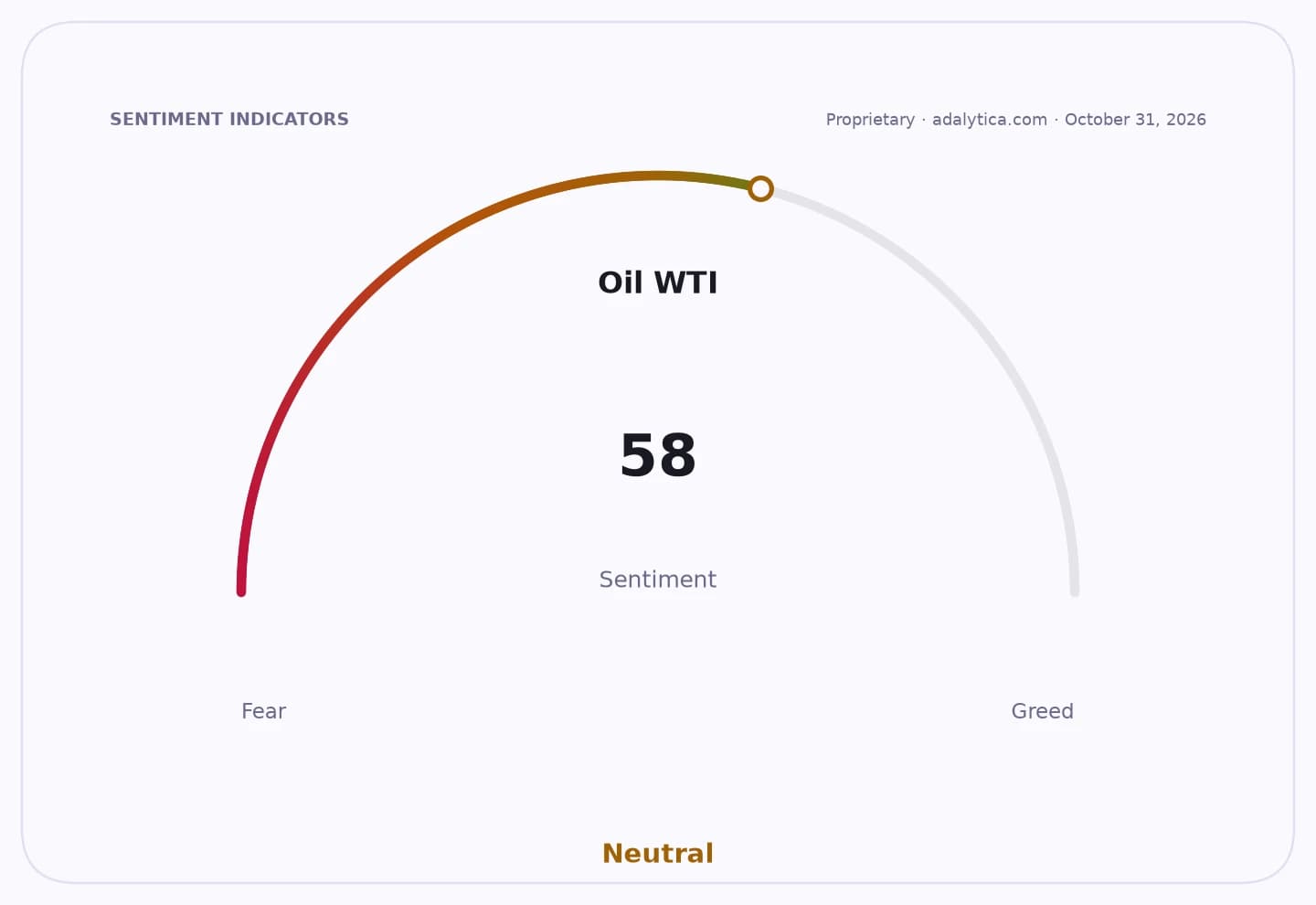
The timing is also important for investors watching the wider crude market. Global oil transport remains sensitive to geopolitical disruptions, especially in key shipping lanes, and any local pipeline interruption tends to be viewed against that backdrop. The fact that the route has been restored should support near-term confidence in regional supply resilience, even if the environmental cleanup and the cause of the damage may remain a drag on sentiment.
The key question now is whether the repair proves durable and whether JANAF can keep the route operating without further interruption. If it can, the episode will likely fade into a temporary operational setback. If not, it could revive concerns about the security and reliability of energy infrastructure across the Balkans at a time when supply chains remain tightly priced and politically sensitive.
| Entity | Gains | Losses |
|---|---|---|
| NIS | ▲Restored crude supply | ▼Higher risk from outage |
| JANAF | ▲Resumed transit revenue | ▼Cleanup and repair costs |
| Pančevo refinery | ▲More stable feedstock flow | ▼Exposure to disruptions |
| Regional fuel market | ▲Lower supply pressure | ▼Less buffer from shocks |