Natural gas prices in Italy climbed again on Nov. 20, with the Italian Gas Index rising to 83.63 euro per megawatt-hour from 80.16 a day earlier, a move that underscores how quickly the European energy market can reprice weather, supply and geopolitical risk ahead of the heating season.
Italy Gas Index Rises to 83.63 Euro/MWh
The increase matters because IGI is used by operators as a transparent benchmark for hedging and supply contracts, meaning the latest move feeds directly into commercial gas costs for utilities, industrial users and traders. Even though prices have not returned to the extremes seen during Europe’s energy crisis, a sustained move higher would tighten margins for energy-intensive companies and keep pressure on household bills, especially in countries that have leaned on subsidies and price caps to blunt volatility.
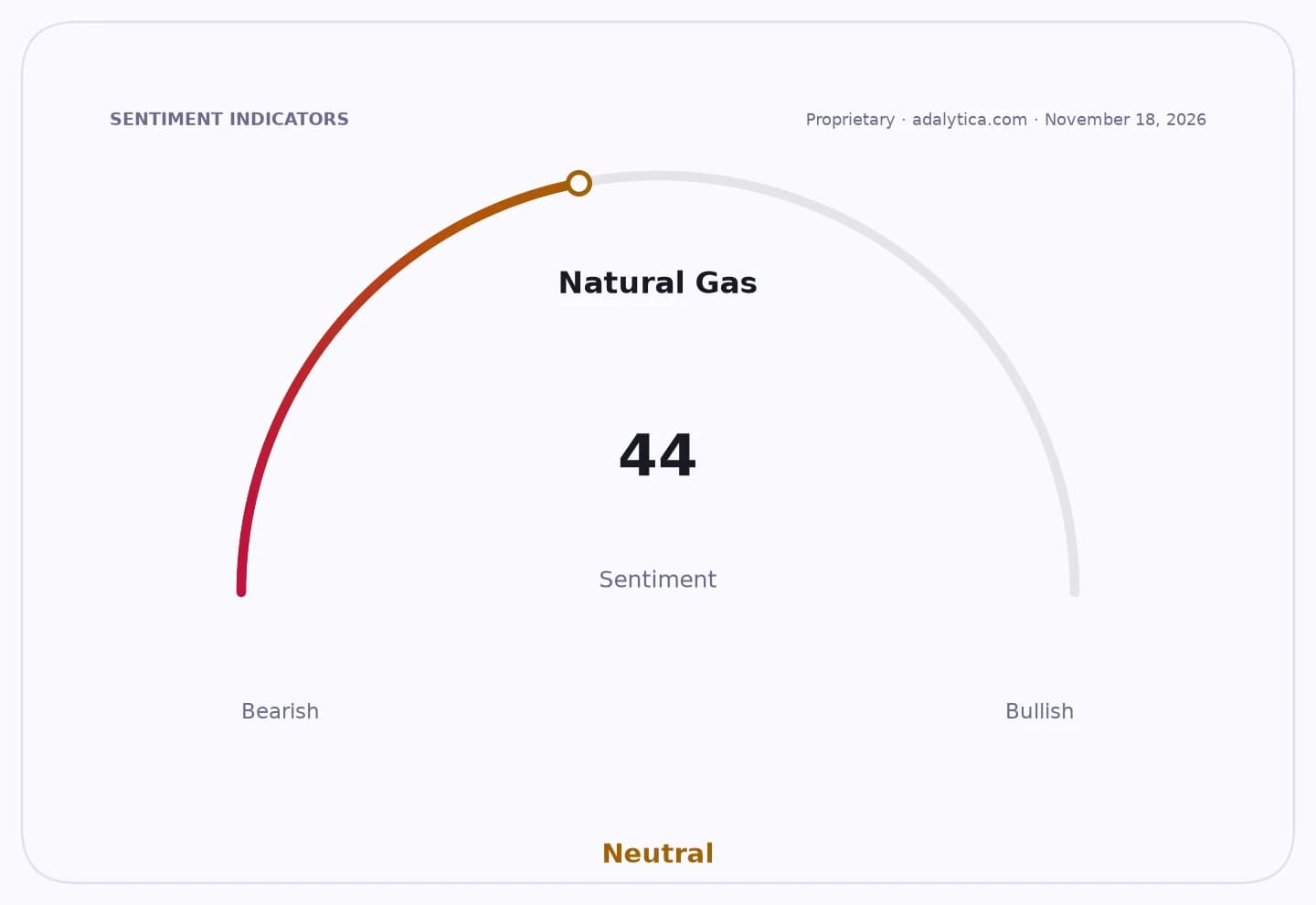
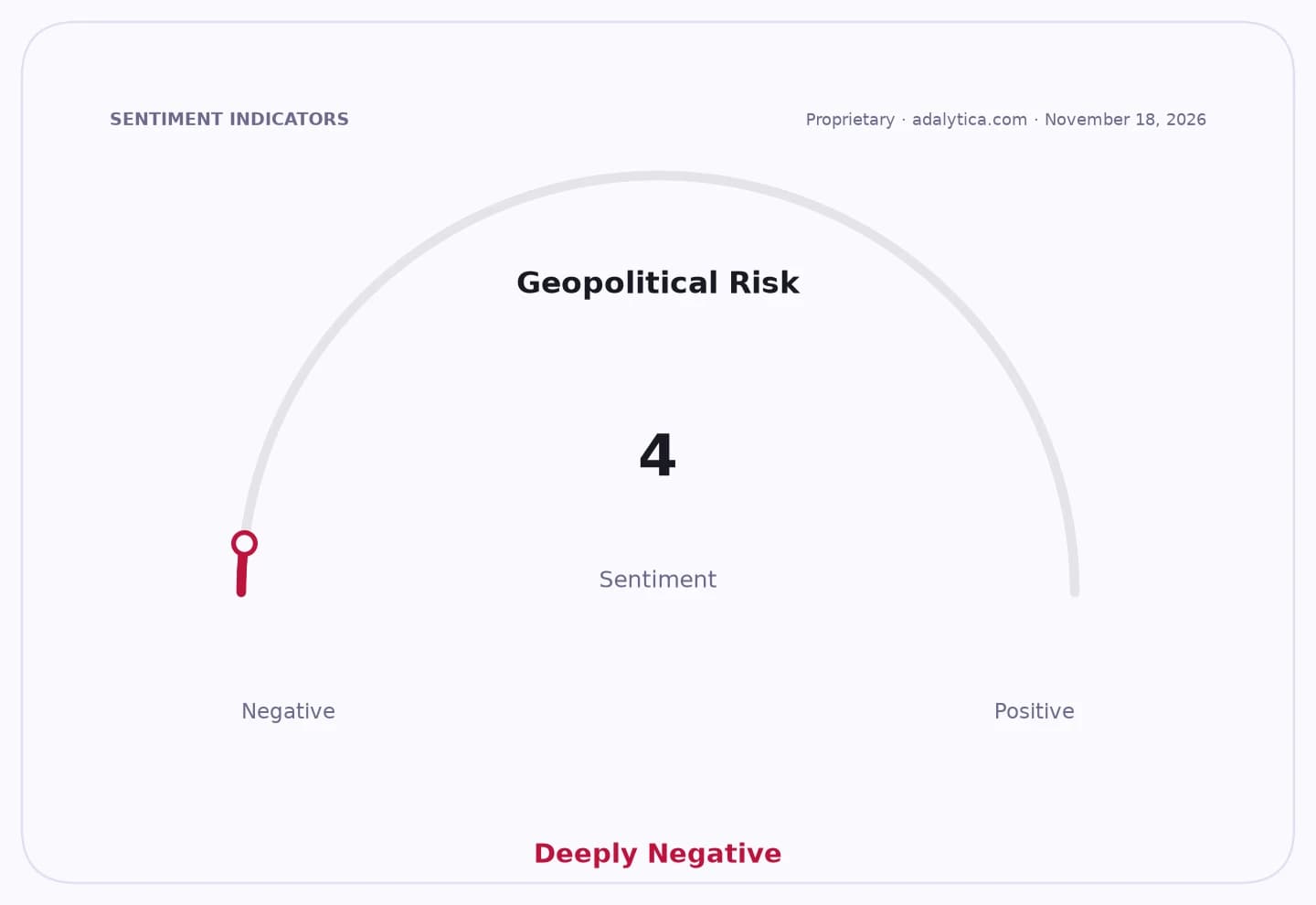
Sentiment Indicators
The rise comes against a backdrop of persistent geopolitical tension and a European gas market that remains highly sensitive to disruptions, even as recent price declines had eased fears of a renewed spike in heating costs. Governments have responded with support measures, including price freezes and compensation schemes for consumers reliant on natural gas heating, signaling that policymakers still view the market as fragile rather than normalized.
For investors, the key question is whether this is a short-lived repricing or the start of a broader winter premium. A firmer gas curve typically helps upstream energy producers and LNG-linked businesses while pressuring utilities, industrials and consumers exposed to fuel costs. It can also feed into inflation expectations, which matters for rates and broad equity multiples at a time when markets remain sensitive to energy-driven cost shocks.
The broader narrative is one of partial stabilization, not resolution: Europe has built more resilience since the crisis, but the market is still vulnerable to weather, storage dynamics and geopolitical shocks. If IGI continues to rise, hedging activity is likely to pick up and governments may be forced to extend support longer than planned; if it fades, the move will be seen as another reminder of how quickly winter risk can be priced in and out of European gas markets.
| Entity | Gains | Losses |
|---|---|---|
| Gas suppliers/traders | ▲Higher realized prices | ▼Volumes may soften |
| Industrial gas buyers | ▲Supply visibility | ▼Higher input costs |
| Households/consumers | ▲Price support schemes | ▼Potential heating bill pressure |
| Energy-intensive sectors | ▲None | ▼Margin compression |