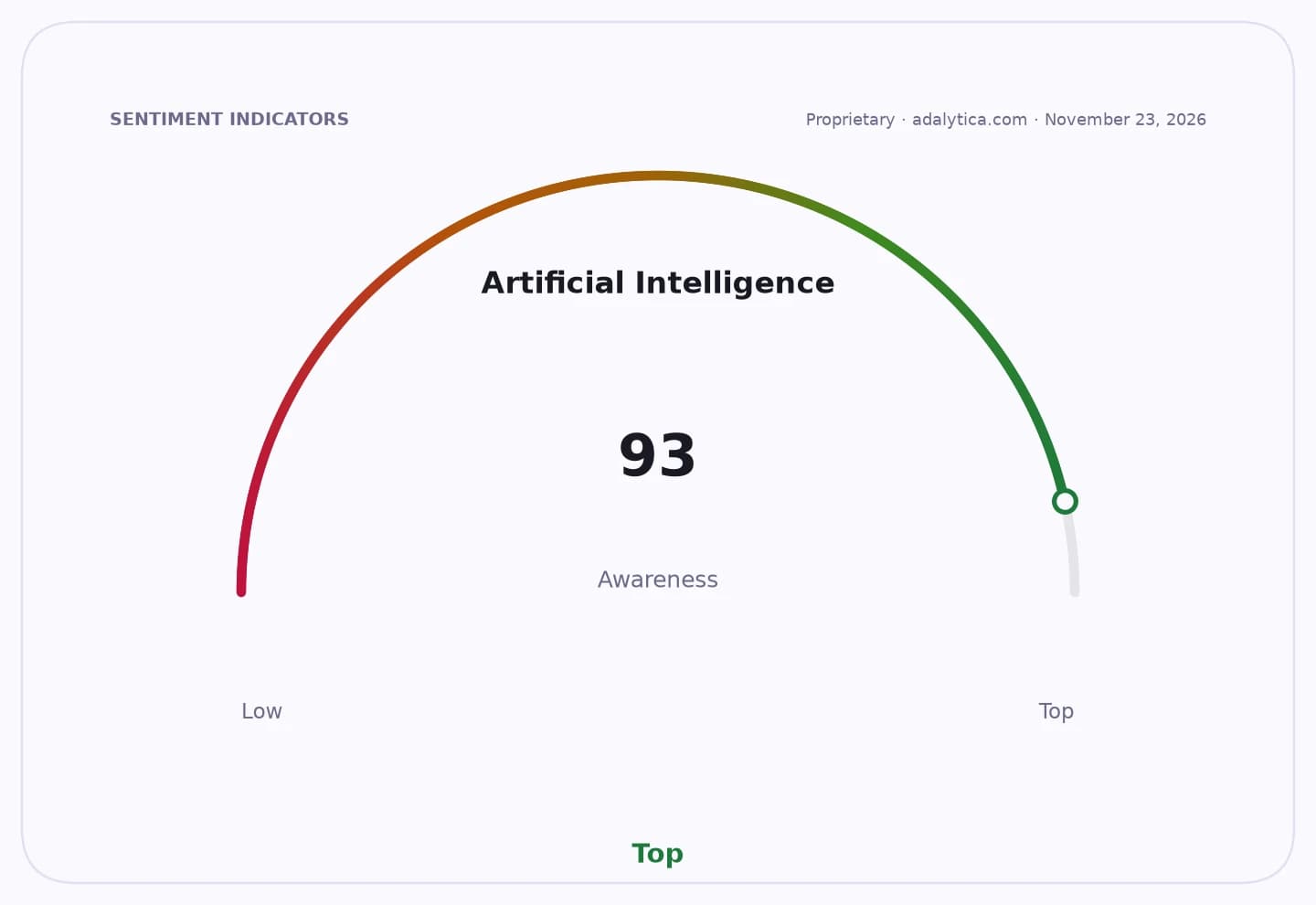
AI is becoming a mainstream gateway to information in Israel, but the country’s latest survey suggests trust and verification habits have not kept pace with usage.
Israel Survey: AI Search Use Outpaces Verification
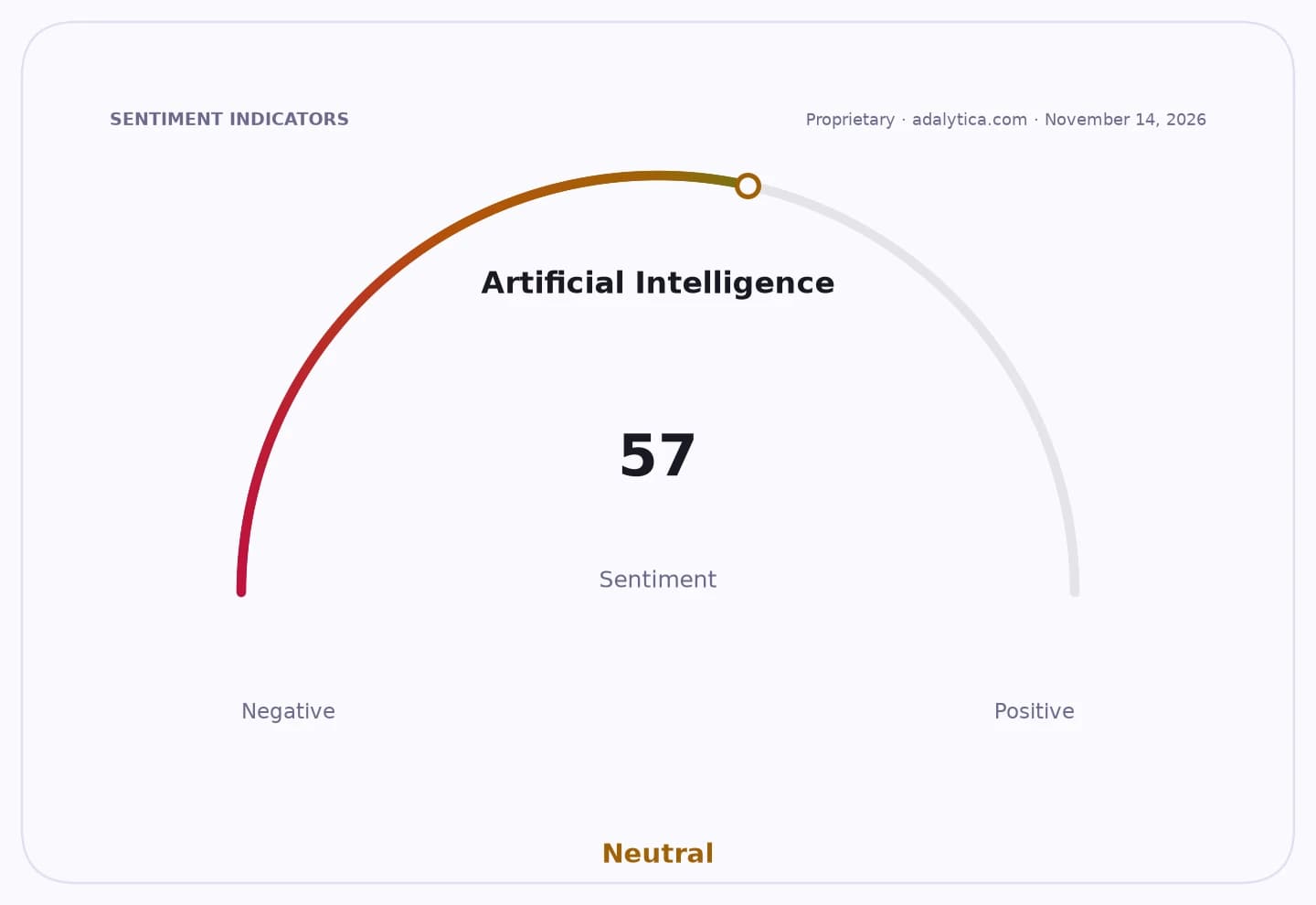
Artificial Intelligence
A new study by the Samuel Neaman Institute, Shenkar, Wikimedia Israel and the Israel Internet Association found that 85% of Israelis have used AI to satisfy curiosity and 78% have used it for health-related questions, yet only 38% said they check AI answers against additional sources. The gap matters because it points to a fast-growing reliance on machine-generated information in areas where errors can carry real-world costs, from medical decisions to current affairs.
Sentiment Indicators
The findings underscore a broader shift in how consumers search, learn and form opinions. According to the survey of 1,226 adults, 63% said they use algorithmic information sources at least four days a week, compared with 29% for traditional sources such as television, radio, print newspapers and non-AI websites, including Wikipedia. That suggests AI is no longer just an experimental tool for early adopters; it is starting to displace legacy channels in everyday information gathering.
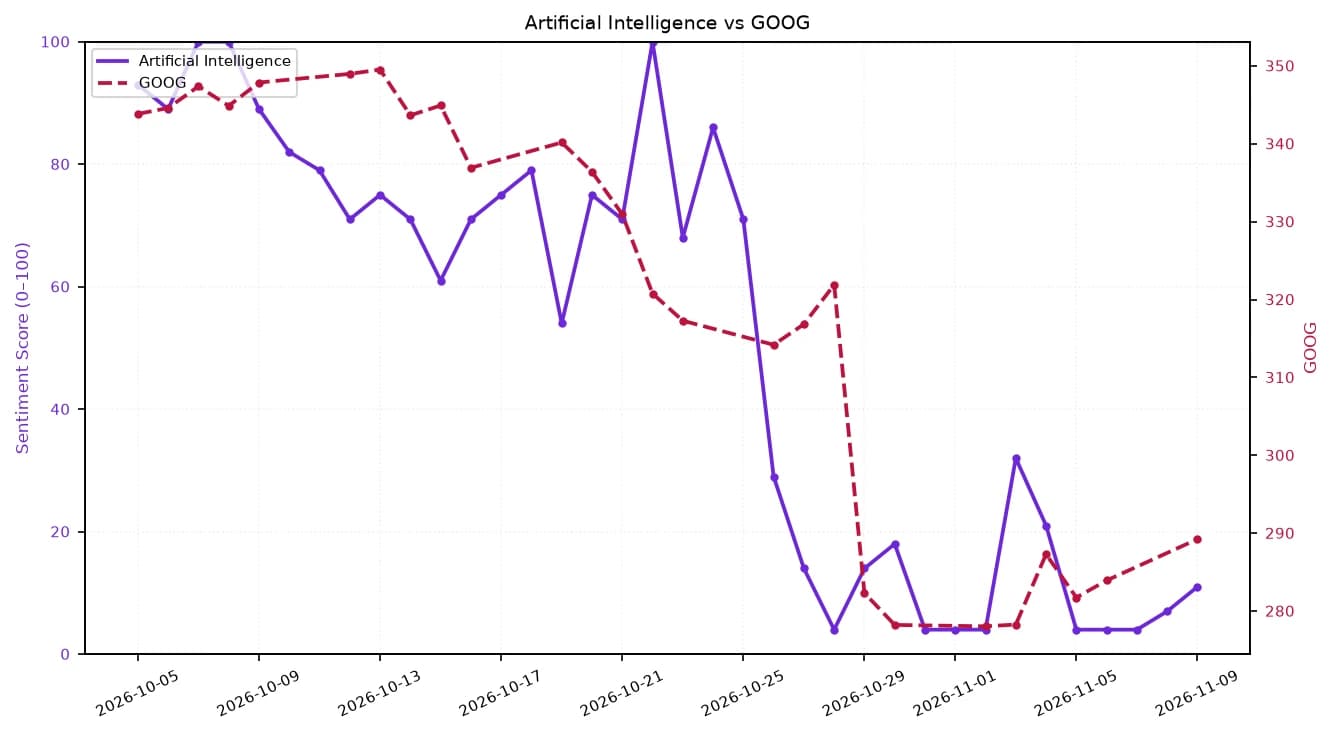
For Google, whose search franchise remains central to Alphabet’s revenue model, that change is strategically important even if the study is local to Israel. The company has been racing to embed AI into search while defending the core economics of sponsored results and query traffic. If users increasingly accept AI summaries as the endpoint of a search, rather than a gateway to a link click, that could reshape traffic flows and monetization across the search ecosystem. Investors have been watching whether AI-enhanced search boosts engagement without eroding ad economics; the Israeli data suggests the substitution effect is real enough to merit caution.
The risk is not just to search incumbents. The study found that 55% of respondents use AI-generated summaries and then consult other sources, but 28% rely solely on the summary. Only 38% verify answers against additional sources, and a similar share ask the tools to cite their sources. That leaves a large cohort of users exposed to errors, misinformation or outdated answers, particularly in fast-moving topics like health and news. The researchers said 53% of respondents already acknowledge that AI can produce incorrect information, yet many still do not cross-check results.
Age also shapes the divide. Among Israelis aged 18 to 34, 61% were aware that AI can generate inaccurate information, compared with 41% of those 55 and older. Awareness was also lower among Arab Israelis than Jewish Israelis, according to the survey, reinforcing the idea that familiarity with AI and skepticism toward it develop unevenly across society. The trend matters economically because adoption without verification can amplify misinformation risk, increase demand for trusted intermediaries and accelerate regulatory scrutiny over AI products.
Wikipedia remains a useful benchmark in the study because it still commands comparatively high trust. Among daily users, 53% said they trust Wikipedia and 49% trust AI tools, while only 29% said they prefer AI over Wikipedia when comparing the two. That suggests users may be willing to experiment with AI, but they have not fully abandoned older reference systems. For platform companies, the investment case is not simply about whether AI grows usage; it is about whether it can earn durable trust.
The bullish case for AI platforms is that convenience is winning. Seventy-three percent of respondents described AI’s impact on their search and learning habits as positive, with speed, ease and convenience cited as the main benefits. Fourteen percent said AI had outright replaced search engines for them. That is precisely the kind of behavioral shift that could expand AI’s role across consumer and enterprise workflows and support product monetization over time.
The bearish case is that trust remains shallow and usage habits are fragile. If users are increasingly comfortable asking AI for medical guidance, news or explanations without checking sources, any high-profile failure could slow adoption or invite tighter oversight. For Alphabet, Microsoft and other AI developers, the challenge is not only distribution and model quality but also credibility. The Israeli study suggests the market opportunity is large, but so is the cost of getting answers wrong.
The next test will be whether AI companies can convert habitual use into dependable, source-backed information products without undermining the economics of search. That balance will shape user retention, regulatory risk and, ultimately, who captures the value of the shift from links to answers.
| Entity | Gains | Losses |
|---|---|---|
| AI search tools | ▲More daily usage | ▼Verification burden |
| Google/Alphabet | ▲Engagement from AI search | ▼Search ad traffic |
| Wikipedia | ▲Trust as reference source | ▼Nonelective usage growth |
| Users | ▲Faster answers | ▼Higher misinformation risk |