Iron prices are easing even as cement prices move higher, underscoring a split in construction and industrial demand that is shaping margins for steelmakers, miners and building-materials suppliers.
Iron ore falls as cement prices rise
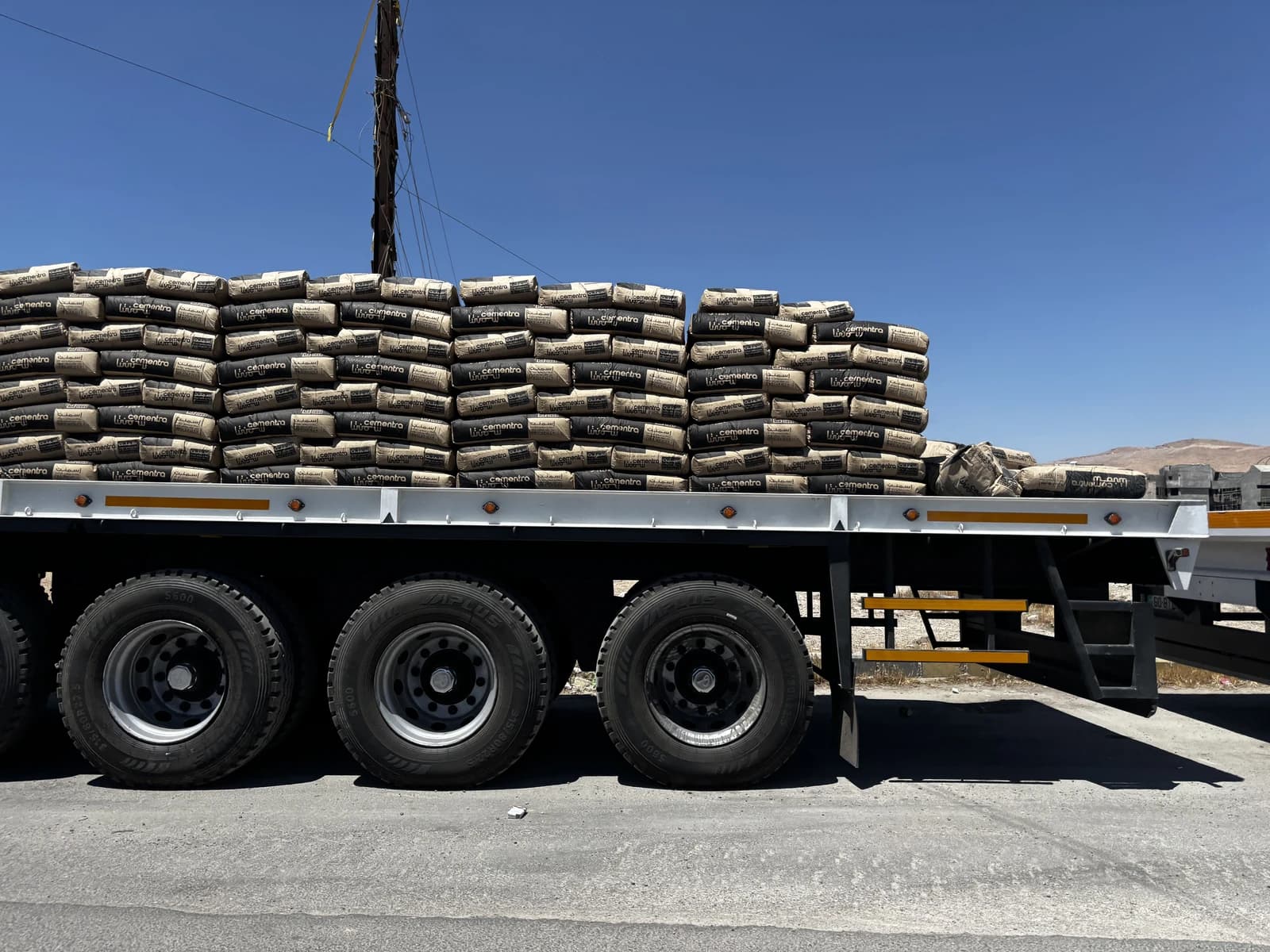
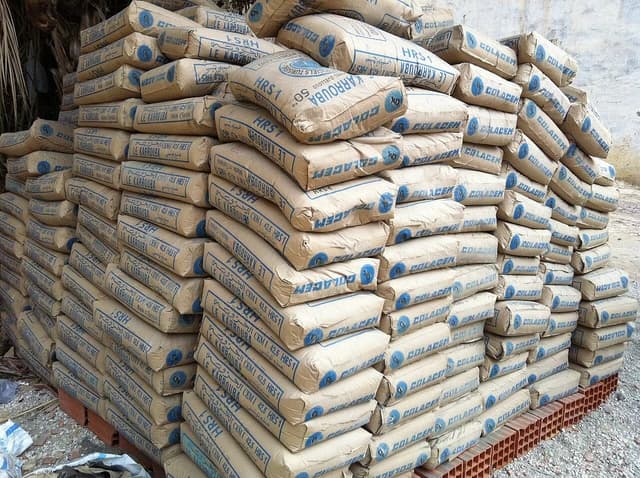
The latest price moves matter because iron ore is a core input for steel production, while cement tracks activity in housing, infrastructure and public works. When the two diverge, it often means end-markets are not moving in lockstep: some heavy industry is losing momentum even as building activity and project spending stay firm.
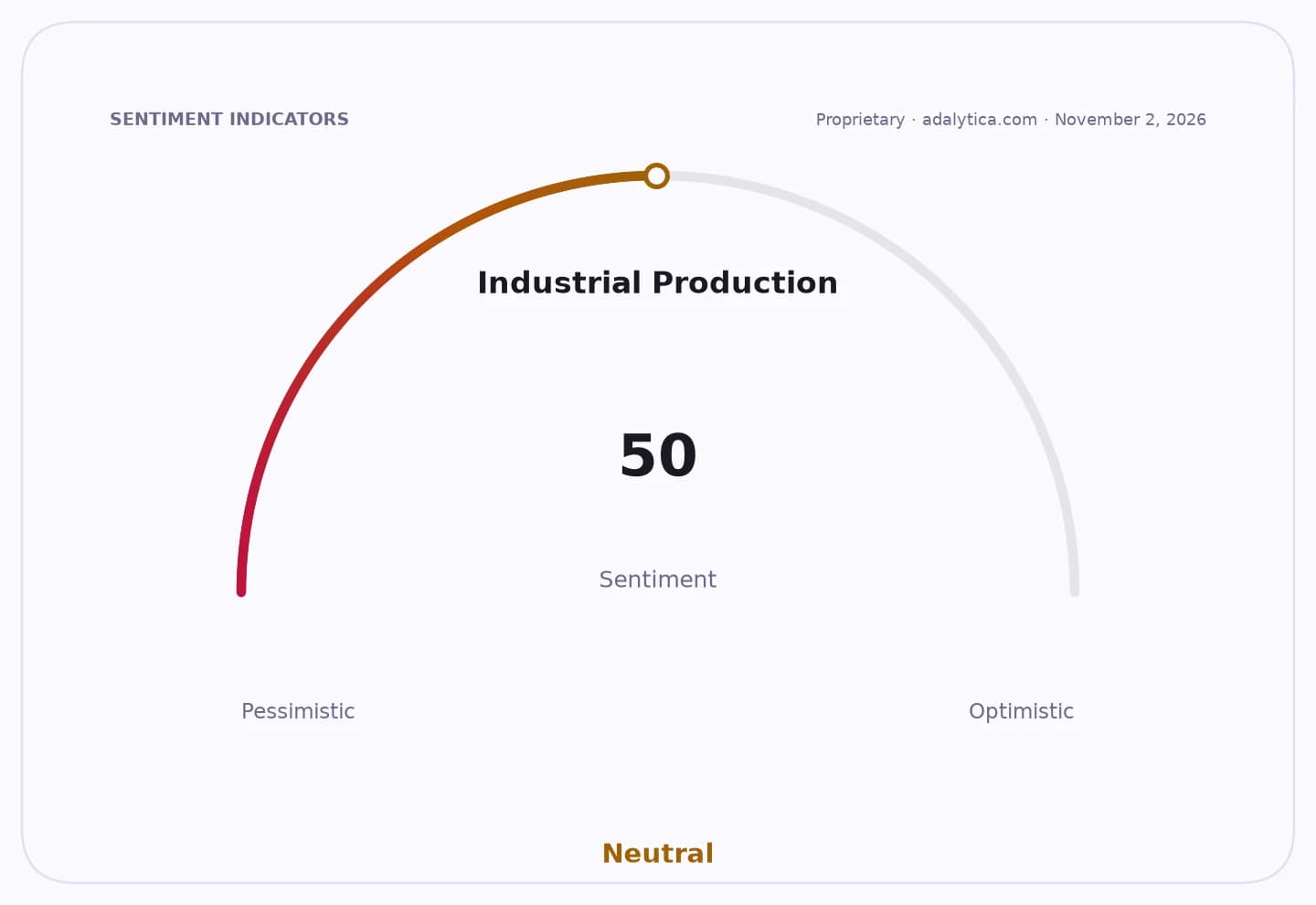
Sentiment Indicators
U.S. industrial production is forecast to edge up 0.35% in November after slipping 0.43% in October, while housing starts are expected to rebound 4.66% to 1.278 million after a 5.2% decline. The mixed backdrop fits the pricing pattern, with demand tied to construction holding up better than broader metals-related demand.
That divergence is already showing up in markets. Nucor shares have climbed sharply this year and still trade well above their 200-day moving average, reflecting investor confidence in steel pricing and volumes, even after a recent pullback from a November high. Vale, by contrast, has lost more than a third of its value since early September and now trades below both its 50-day and 200-day moving averages, a sign that traders are marking down the outlook for iron-ore-linked earnings.
For investors, the key question is whether stronger cement pricing can offset pressure across iron ore and other bulk commodities, or whether the softness in iron is the first sign of a broader cooling in industrial materials. Construction demand remains supported by public works spending and infrastructure projects, but weaker iron prices would still squeeze miners and the raw-materials segment of steel producers.
The next test is whether November housing and industrial production data confirm the split, and whether builders keep absorbing higher cement costs without slowing projects. If iron prices keep falling while cement stays firm, the market is likely to continue favoring domestically oriented construction names over iron-ore exporters and bulk-material miners.
| Entity | Gains | Losses |
|---|---|---|
| Cement producers | ▲Higher selling prices | ▼Cost pressure if inputs rise |
| Construction firms | ▲Stable project supply | ▼Higher material costs |
| Iron ore miners | ▲— | ▼Softer commodity pricing |
| Steelmakers | ▲Cheaper raw material inputs | ▼Weaker mining-linked earnings |