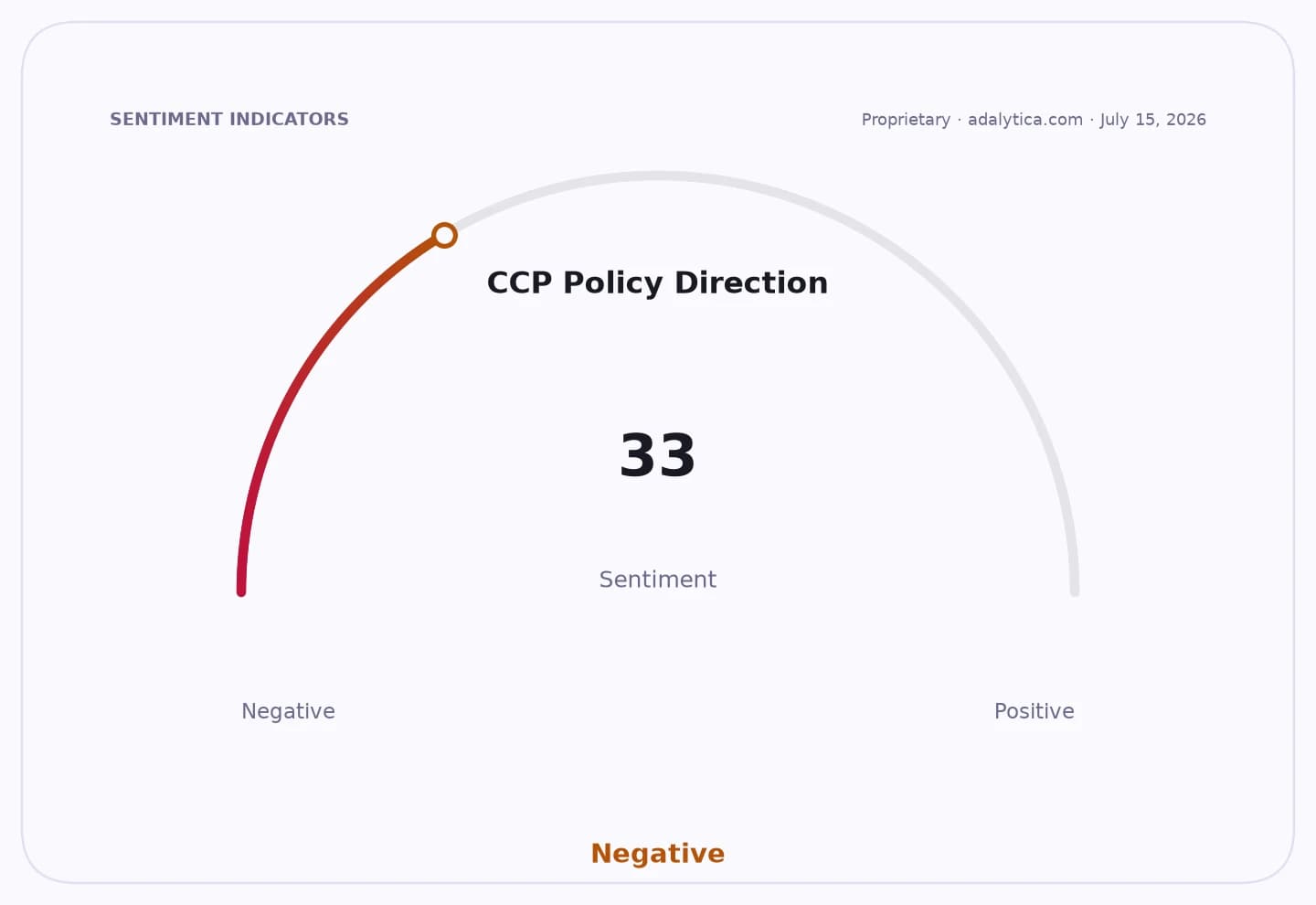
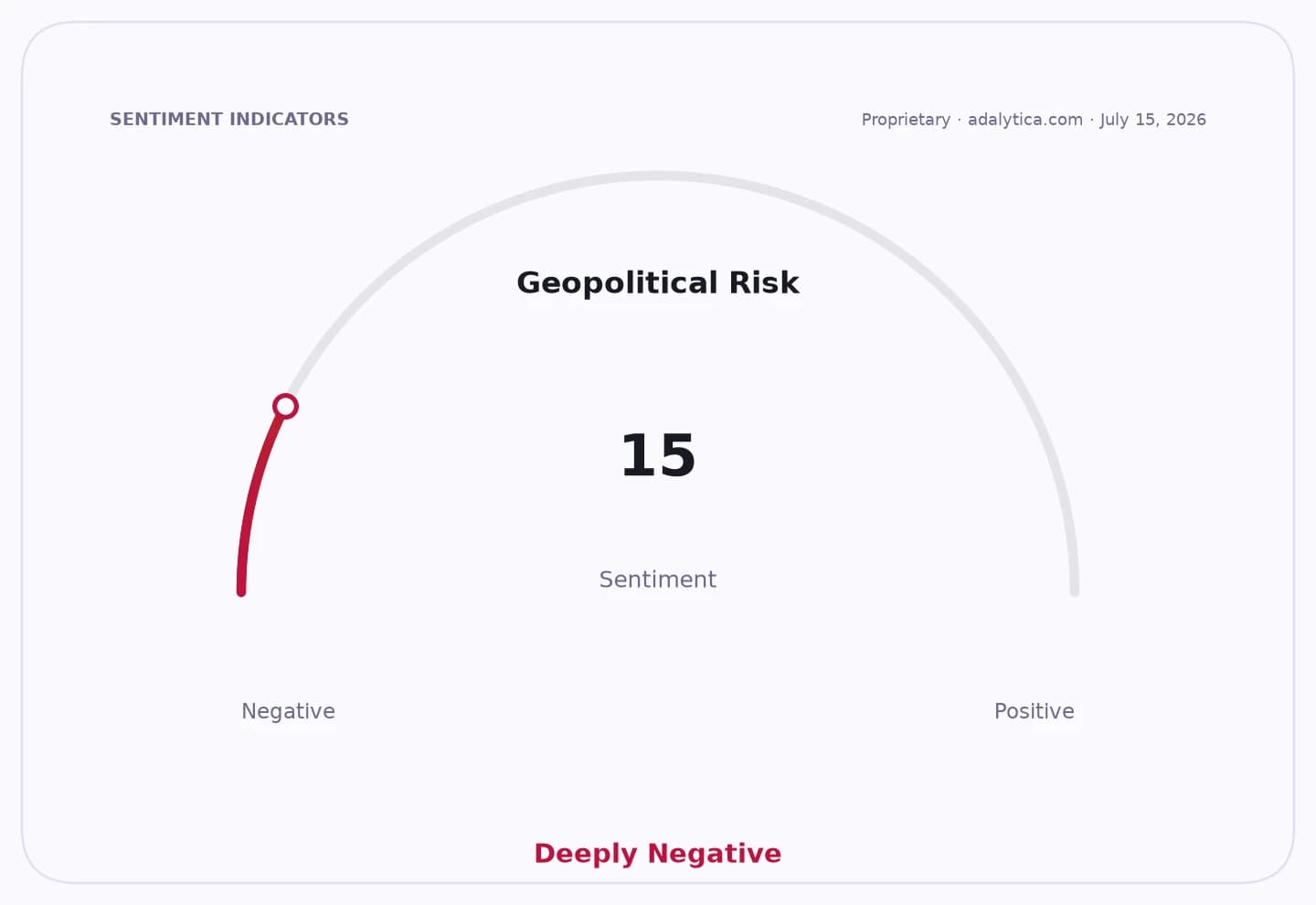
Iran and Turkey are moving to activate two new border crossings, a step that could ease trade flows, improve rail and cargo logistics and tighten coordination on security at one of the Middle East’s most important overland gateways.
Iran and Turkey Plan New Border Crossings

The talks in Ankara between Iranian Interior Minister Eskandar Momeni and his Turkish counterpart centered on border security, extradition of criminals, expanding trade exchanges and facilitating cargo transport from Turkish ports into Iran. The most economically relevant element is the push to add crossings and raise rail transportation capacity, which would deepen the land corridor linking the two neighbors and reduce friction in a trade route that already serves as a regional conduit between the Gulf, Anatolia and Central Asia.
For both governments, the plan is about more than customs efficiency. Iran has long sought to preserve and expand access to Turkey as a commercial outlet amid sanctions pressure and shifting regional logistics. Turkey, meanwhile, has an incentive to strengthen its role as a transit hub for goods moving eastward, especially if additional crossings help shorten border queues and improve reliability for freight operators. In practical terms, better border throughput can lower transport costs, support bilateral trade volumes and make overland shipments more competitive against longer sea routes.
The talks also carry a security dimension that investors and trade-sensitive sectors cannot ignore. Border crossings are chokepoints not just for goods but for smuggling, migrant flows and criminal activity, and any expansion will depend on whether the two governments can balance faster movement with tighter controls. That matters because infrastructure only creates economic value if customs procedures, rail links and security protocols work in tandem. Delays at the frontier have historically undercut the commercial benefit of such projects.
From a market perspective, the development is most relevant to transport, logistics and industrial names exposed to Turkey’s eastern trade routes and to any Iran-facing commercial channels that can operate within existing restrictions. It is also a reminder that geopolitical risk in the region is not limited to sanctions or conflict; incremental cross-border infrastructure can change the economics of freight, warehousing and corridor investment long before headline trade statistics do.
The broader backdrop is a region where governments are increasingly treating land corridors as strategic assets. For Iran, any new crossing that eases access to Turkey supports a diversification of trade routes. For Turkey, it reinforces its ambition to act as a bridge between Europe and Asia. If the two sides follow through, the benefit will be measured less in immediate headlines than in whether cargo turns faster, security incidents fall and the border becomes a more predictable commercial artery.
| Entity | Gains | Losses |
|---|---|---|
| Iran | ▲Better access to Turkish ports | ▼Border bottlenecks |
| Turkey | ▲Stronger transit role | ▼Congestion at crossings |
| Freight operators | ▲Faster cargo movement | ▼Higher delay costs |
| Smugglers/criminal networks | ▲— | ▼Tighter border controls |