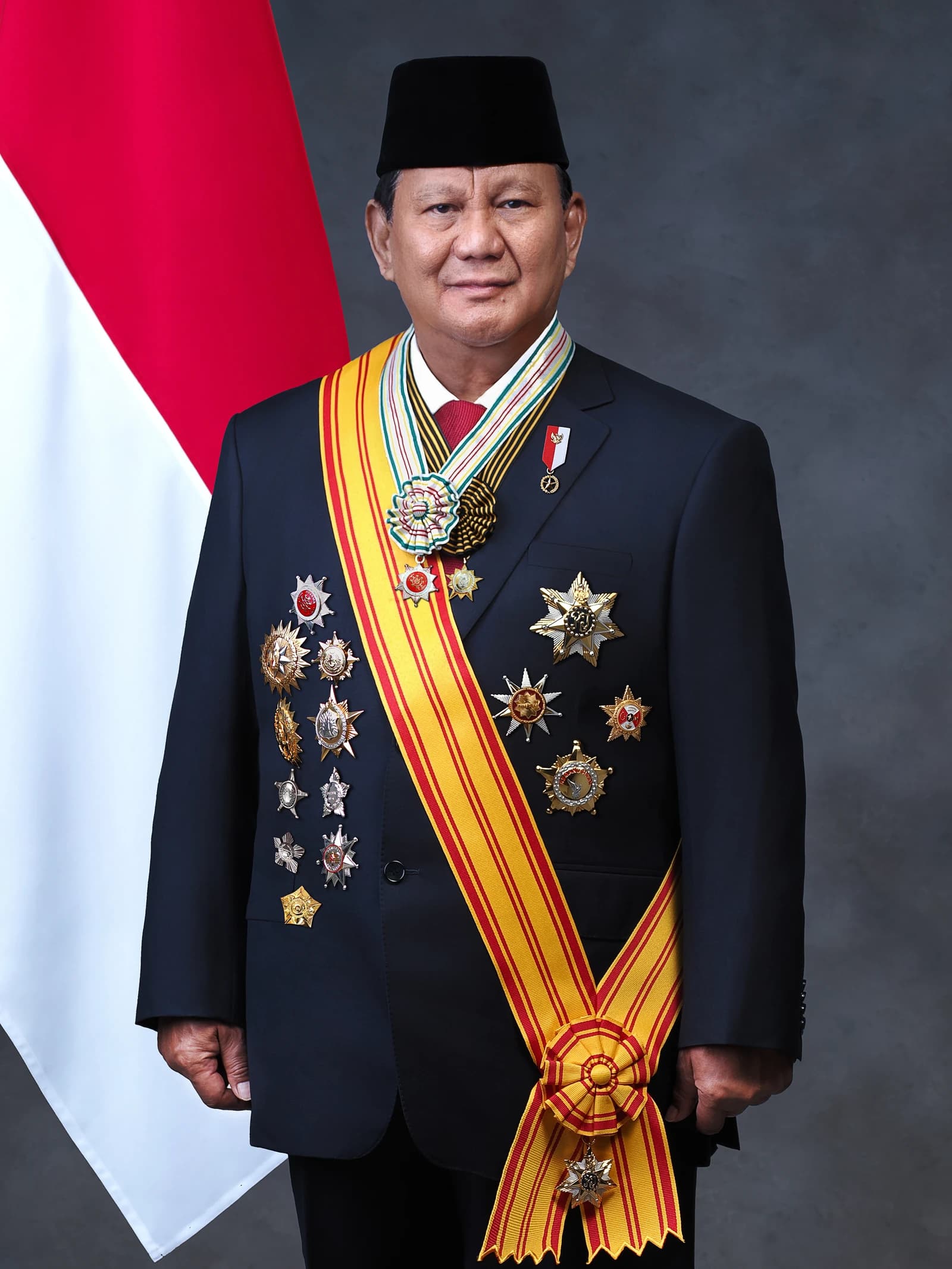
Indonesia’s President Prabowo Subianto is signaling that Jakarta wants the freedom to steer its own course just as global politics get noisier, trade and security rivalries sharpen and foreign-policy pressure rises on emerging markets.
Indonesia Keeps Non-Aligned Foreign Policy
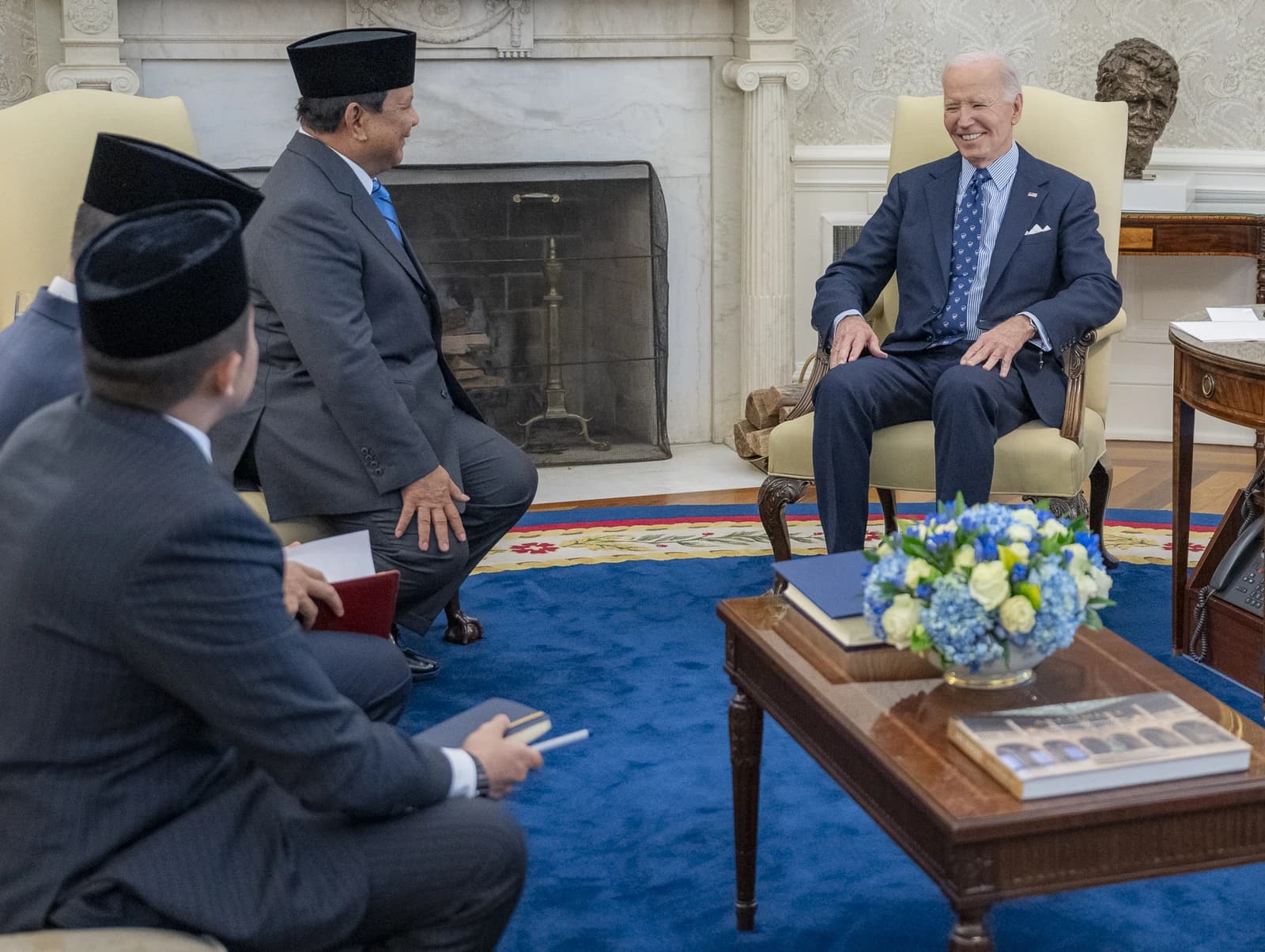
Speaking at a cabinet meeting in Jakarta, Prabowo said Indonesia must strengthen “national resilience,” protect its natural wealth and put the public interest first while the world remains unsettled. He repeated that Indonesia does not want to join any bloc or military pact, framing his foreign policy around “a thousand friends are too few, one enemy is one too many.”
Sentiment Indicators
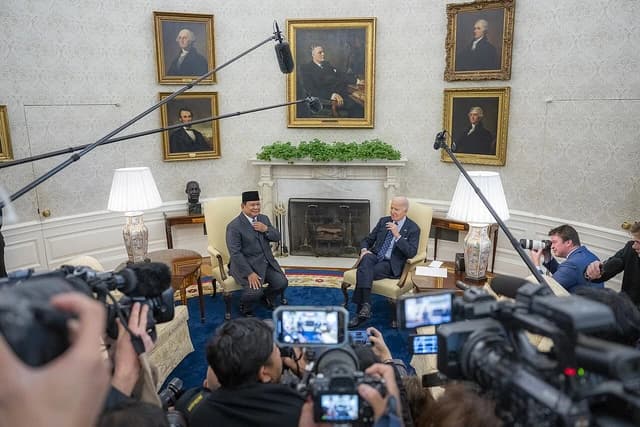
That stance matters because Indonesia is one of Southeast Asia’s most important swing states. A non-aligned posture gives Jakarta room to work with the US, China and regional neighbors without locking itself into a camp, which can help preserve trade access, investment options and diplomatic flexibility. For an economy that depends on commodity exports, supply chains and foreign capital, avoiding hard alignment can be a useful hedge against a fragmented world.
The message also lands at a time when global stability indicators remain fragile. Adalytica’s Global Stability Sentiment sits at 61, or neutral, but awareness is still in “fear” territory at 18, underscoring how uneasy markets remain about geopolitics. At the same time, FX volatility signals are flashing “extreme fear,” a reminder that currencies can react quickly when investors think policy uncertainty is rising.
Geopolitical Risk
For investors, the key question is not whether Indonesia can isolate itself from world events — it cannot — but whether it can keep policy predictable while protecting strategic industries and natural resources. That is especially relevant for international funds and companies with exposure to Indonesia through exchange-traded funds such as the iShares MSCI Indonesia ETF, which has fallen to about $10.52 from $16.94 earlier this year and remains well below its 50-day and 200-day moving averages. The ETF’s weak price action suggests global investors are still demanding a discount for risk.
Prabowo’s emphasis on sovereignty and resilience also fits a broader political narrative: Indonesia wants to be seen as a partner, not a proxy. That can support long-term investment if it translates into stable regulation, better governance and a clearer approach to resource development. But it can also create friction if the government becomes more protectionist or unpredictable in defending national interests.
The near-term takeaway for investors is simple: Indonesia is trying to position itself as a neutral, useful player in a divided world. If Prabowo can pair that message with cleaner governance and consistent economic policy, the country could remain attractive for patient capital. If not, the premium for Indonesian assets is likely to stay subdued.
| Entity | Gains | Losses |
|---|---|---|
| Indonesia government | ▲Diplomatic flexibility | ▼Pressure to choose sides |
| Foreign investors | ▲Policy clarity if stability improves | ▼Higher risk premium if uncertainty rises |
| Resource sectors | ▲Stronger sovereign backing | ▼Greater policy intervention risk |
| Regional rivals/blocs | ▲Less direct confrontation | ▼Less leverage over Jakarta |