Indonesia’s plan to switch island power plants to liquefied natural gas will only work if supply can be secured without colliding with export contracts and a still-tight global LNG market.
Indonesia LNG Power Shift Faces Supply Constraints
That is the central economic problem behind the push by state utility PLN: island grids need a cleaner and more flexible fuel than diesel, but LNG is not a free pool of domestic supply. Cargoes are already locked into long-term export sales, while spot prices have remained elevated enough to keep sellers focused on higher-margin overseas markets.
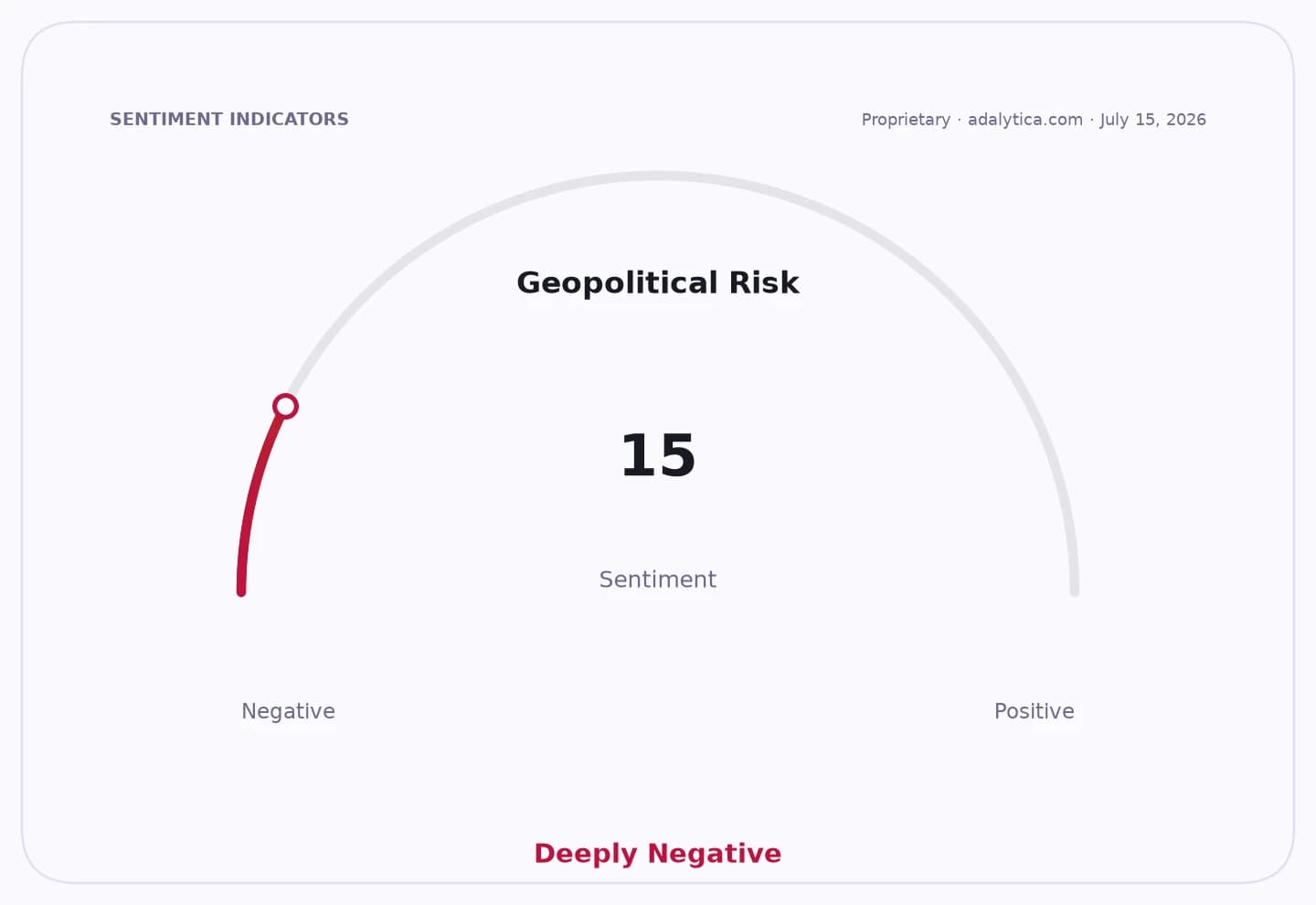
The issue matters because fuel choice feeds directly into electricity costs, supply security and the pace at which Indonesia can improve power quality across its archipelago. Islands are especially exposed to costly imported fuels and logistics bottlenecks, so any reliable LNG solution could reduce generation costs and emissions relative to oil-based power. But if gas must be diverted from export commitments or bought at premium prices, the result could be higher tariffs, tighter utility margins or greater fiscal pressure for subsidies.
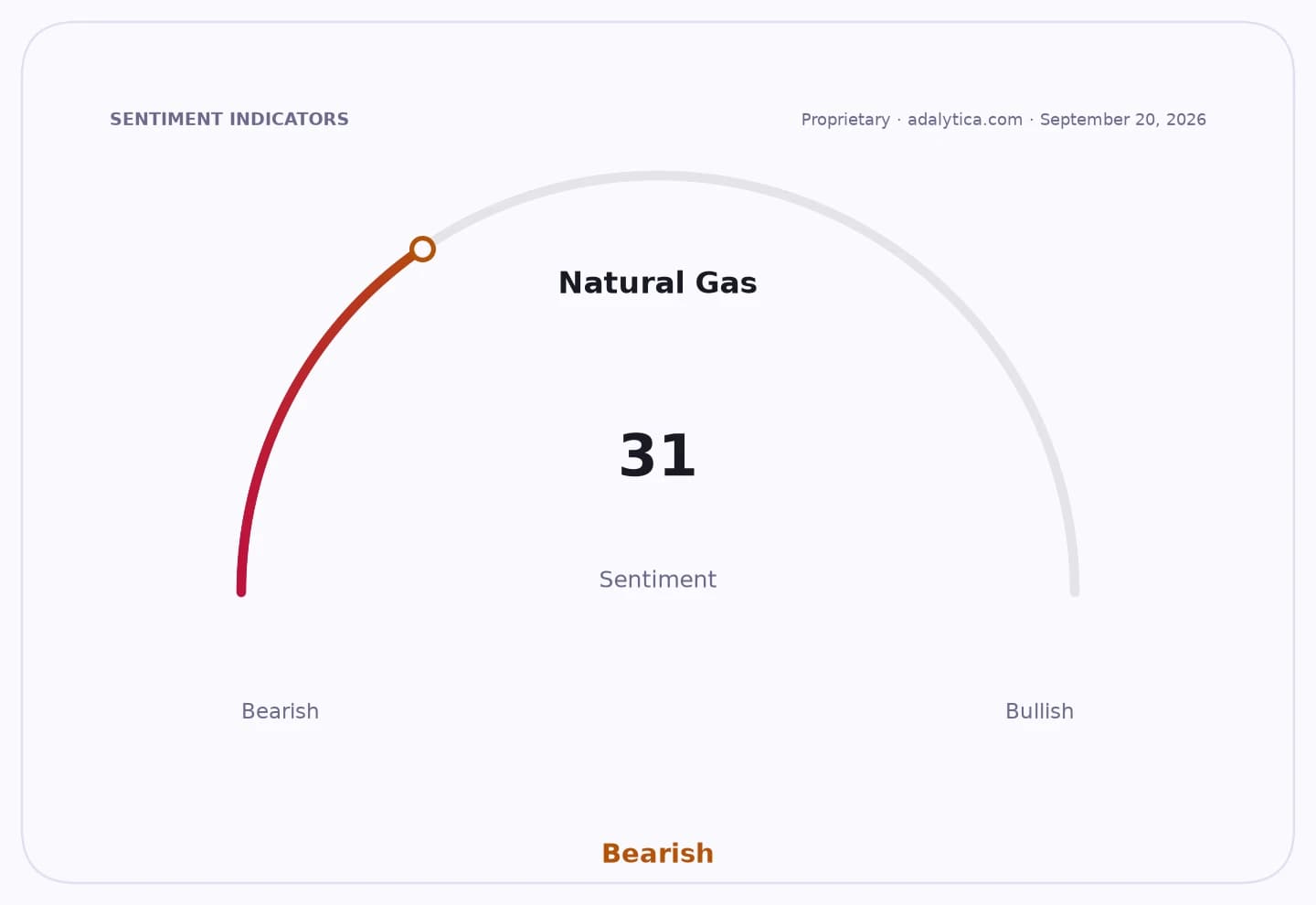
Global market conditions are not helping. LNG prices have been near four-year highs at points this year, supported by supply disruptions in the Middle East and firm European demand, even as parts of Asia have trimmed imports. That has reinforced the value of long-term contracts and made flexible spot supply harder to count on for buyers trying to build new power systems.
For investors, the story cuts both ways. LNG producers and exporters benefit if domestic buyers are forced into the spot market or into new long-term offtake agreements at favorable terms. That supports pricing power and cash flow visibility for suppliers. On the other side, Indonesian utilities and power developers face the risk that a cleaner fuel transition becomes more expensive than policymakers expect, delaying returns on new gas infrastructure and keeping diesel in the mix longer.
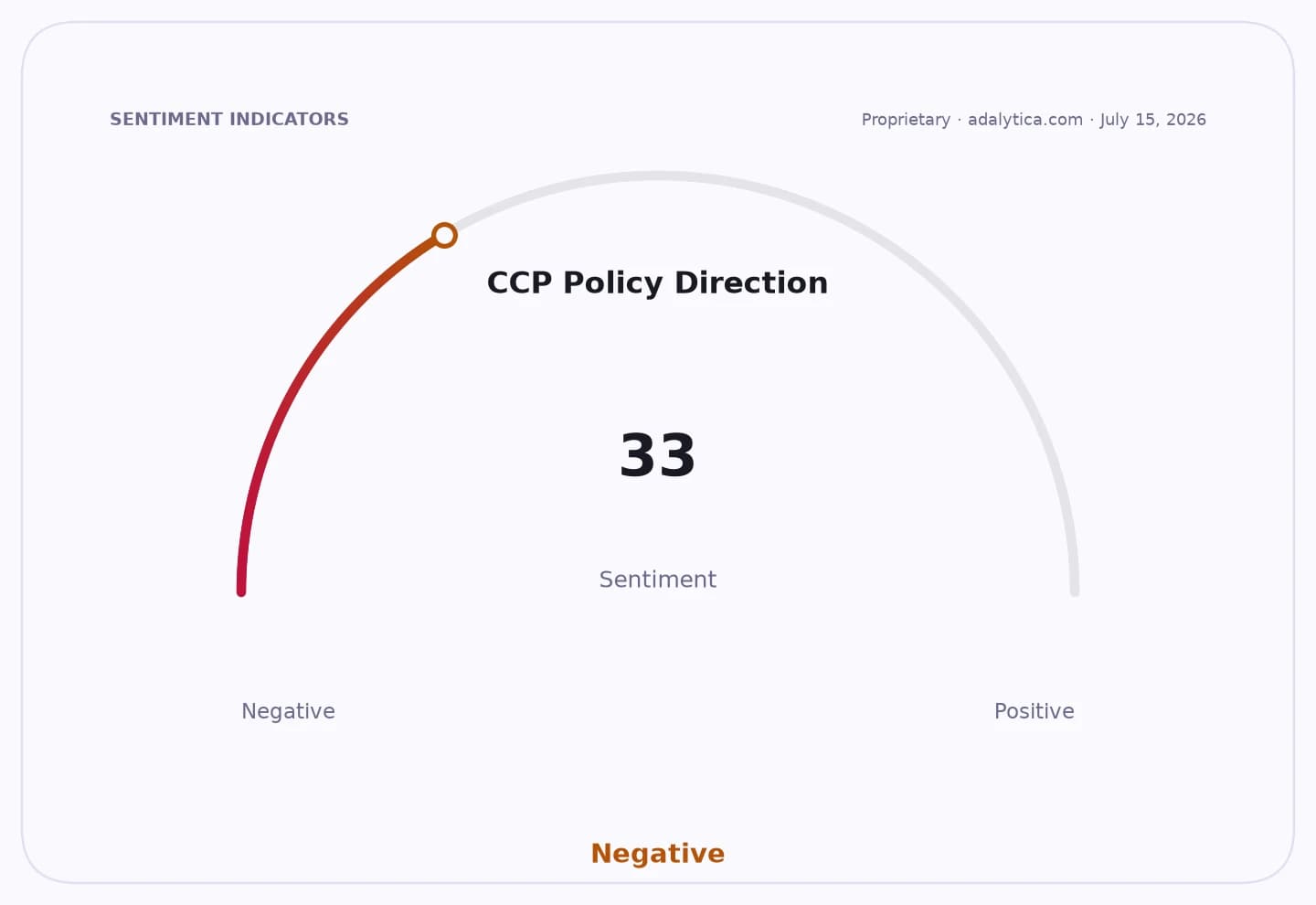
The market backdrop also explains the tension. LNG-related equities have held firm even as broader risk appetite has softened, while technical readings on natural gas suggest a market that has been volatile but still supported by tight supply expectations. More importantly, the strategic narrative is shifting from simple LNG availability to contract access, shipping flexibility and destination clauses — the constraints that determine whether gas can actually reach isolated power plants when needed.
The investment question is therefore less about whether LNG exists in sufficient volume globally and more about whether Indonesia can secure dependable volumes on terms that make island electrification economical. If it can, LNG becomes a bridge fuel for a sprawling grid. If it cannot, the country may keep paying for a more expensive, less efficient power mix.
| Entity | Gains | Losses |
|---|---|---|
| LNG exporters | ▲Higher pricing power | ▼Less guaranteed domestic allocation |
| PLN / island utilities | ▲Cleaner fuel option | ▼Higher procurement and logistics risk |
| Indonesia consumers | ▲Potentially lower diesel dependence | ▼Higher tariffs if LNG costs rise |
| Oil-fired generators | ▲Fewer long-term prospects | ▼Reduced role in island power supply |