Indonesia’s downstream oil and gas regulator says artificial intelligence and digital monitoring are already reshaping how the country tracks fuel stocks and moves supply across its far-flung archipelago, a shift that matters because tighter control of logistics can reduce leakage, improve allocation and blunt the risk of localized shortages.
Indonesia BPH Migas Expands AI Fuel Monitoring
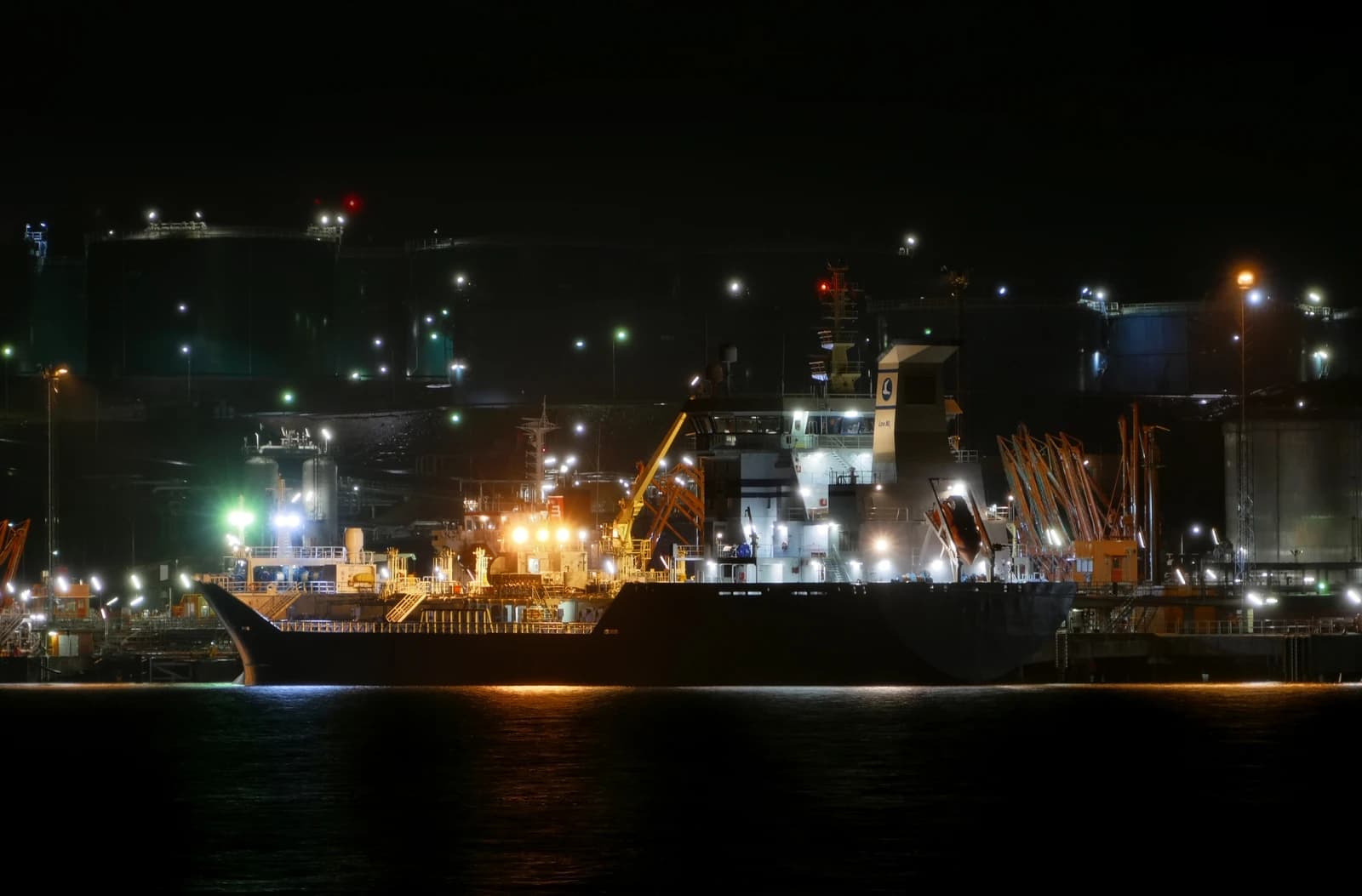
BPH Migas said online, real-time monitoring now reaches across the supply chain, from refineries and fuel terminals to moving tankers, road tankers and gas stations, giving regulators and oil companies a clearer view of inventories and flows. The agency says that is especially important in Indonesia, where distribution is complicated by thousands of islands and the need to supply remote “3T” regions — frontier, outermost and underdeveloped areas — that are often costly and difficult to serve.
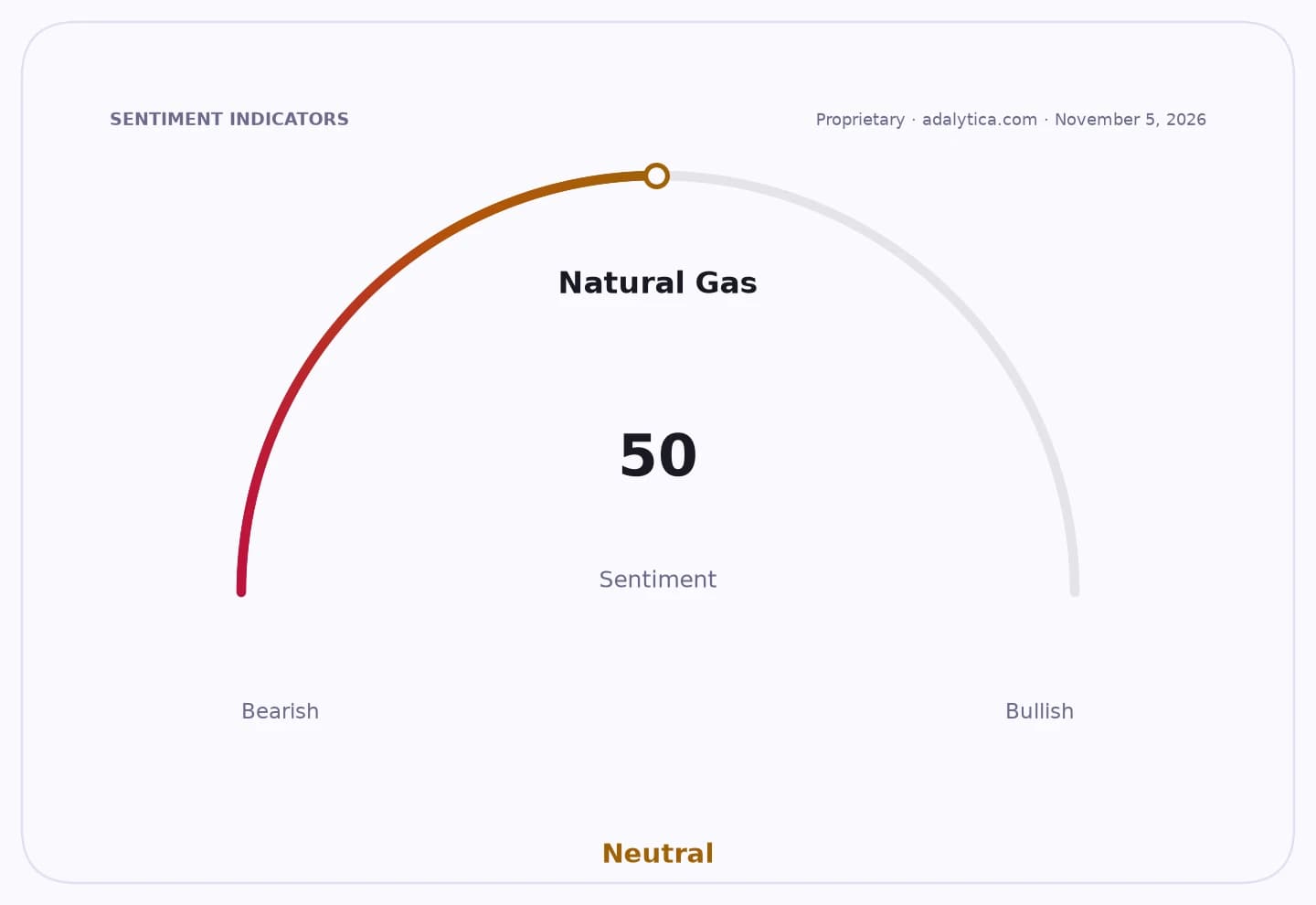
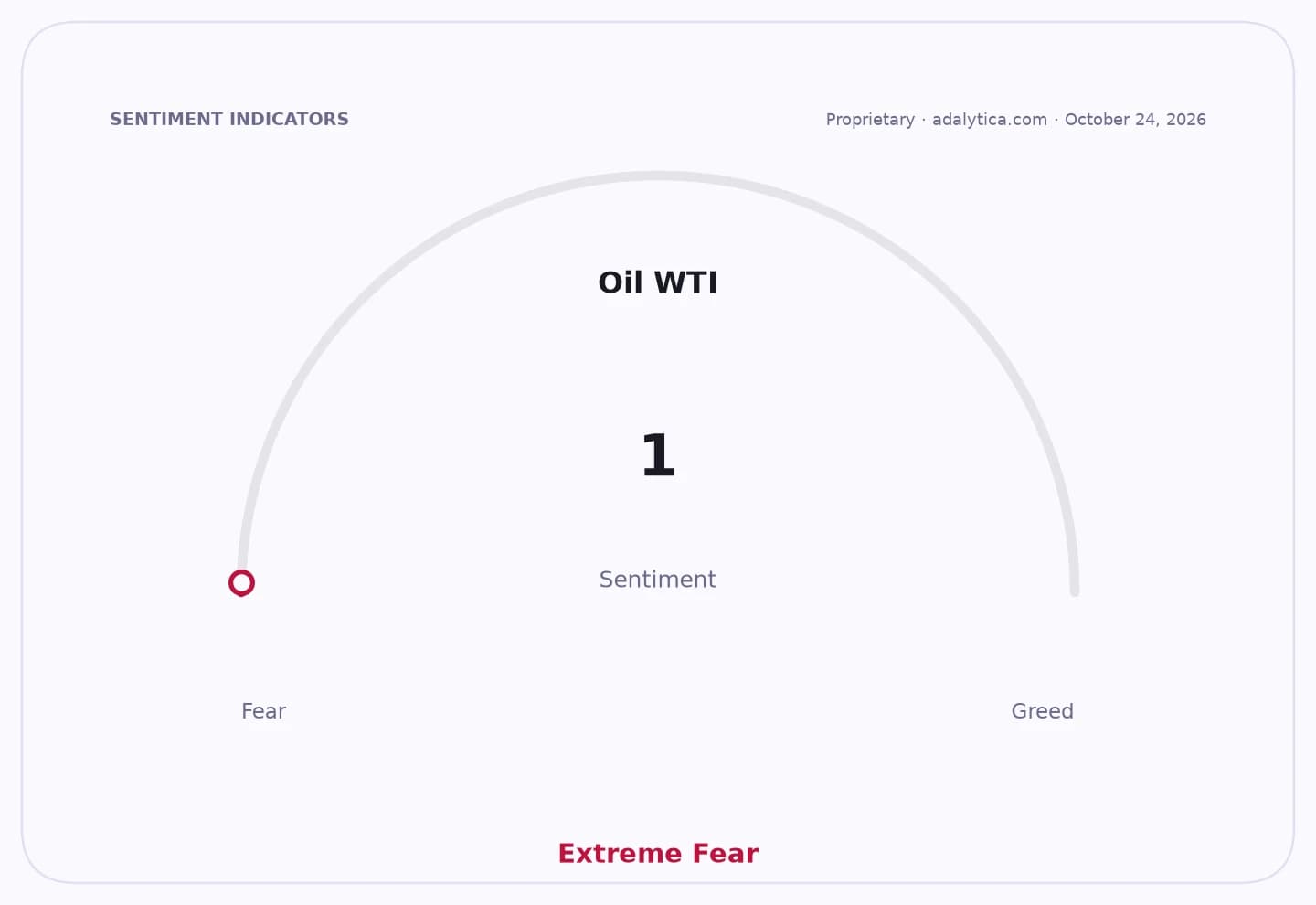
Sentiment Indicators
The message from the regulator is less about automation for its own sake than about governance. In a market as geographically fragmented as Indonesia’s, better data can improve planning, limit bottlenecks and help authorities respond faster when demand spikes or supply lines are disrupted. For the government, that supports a long-running policy goal of keeping subsidized fuel and energy distribution more orderly. For investors, it suggests downstream operations are becoming more efficient and more transparent, a trend that can lower operating risk for refiners, distributors and logistics providers.
BPH Migas said AI is being used alongside conventional digital systems to analyze big data and support decisions on procurement and distribution. The regulator did not disclose investment figures or quantify the savings from the system, but the emphasis on real-time tracking implies a push toward tighter inventory control at a time when fuel security remains politically sensitive. Indonesia’s energy network is also a reminder that downstream efficiency can matter as much as new supply: in a sprawling island economy, the ability to monitor barrels in motion can have as much economic value as adding capacity.
The broader implication is that Indonesia is trying to modernize the downstream chain without changing the basic structure of the market. That favors companies and institutions that can absorb digital compliance costs and operate with tighter reporting standards, while raising the bar for slower-moving players. It also reinforces the case for continued public and private spending on logistics technology, data systems and workforce skills.
For investors, the near-term read-through is constructive for downstream reliability rather than explosive demand growth. The bull case is that better monitoring improves margins, curbs losses and reduces policy friction. The bear case is that technology alone cannot solve structural distribution constraints, especially if fuel demand rises faster than infrastructure and transport capacity. The next test will be whether digital oversight translates into fewer supply disruptions and more disciplined fuel allocation across Indonesia’s most difficult-to-serve regions.
| Entity | Gains | Losses |
|---|---|---|
| BPH Migas | ▲Better oversight | ▼Manual monitoring |
| Fuel distributors | ▲Fewer stock imbalances | ▼Higher compliance burden |
| Remote 3T regions | ▲More reliable supply | ▼Persistent logistics constraints |
| Investors in downstream energy | ▲Lower operating risk | ▼Slower transition costs |