Indonesia’s first aircraft carrier has arrived in Jakarta, but the bigger story for investors and policymakers is the cost and strategic debate now attached to the ex-Italian vessel.
Indonesia Aircraft Carrier Arrives in Jakarta

The former Giuseppe Garibaldi, now named KRI Sriwijaya by the Indonesian navy, reached Tanjung Priok on Friday after Italy handed over the decommissioned ship as a gift, according to Chinese state media Xinhua and the Associated Press. The arrival marks a symbolic step for President Prabowo Subianto’s defense buildup, but it also opens a sharper question: whether Jakarta can afford to turn an aging 41-year-old carrier into a credible platform without adding pressure to an already stretched budget.
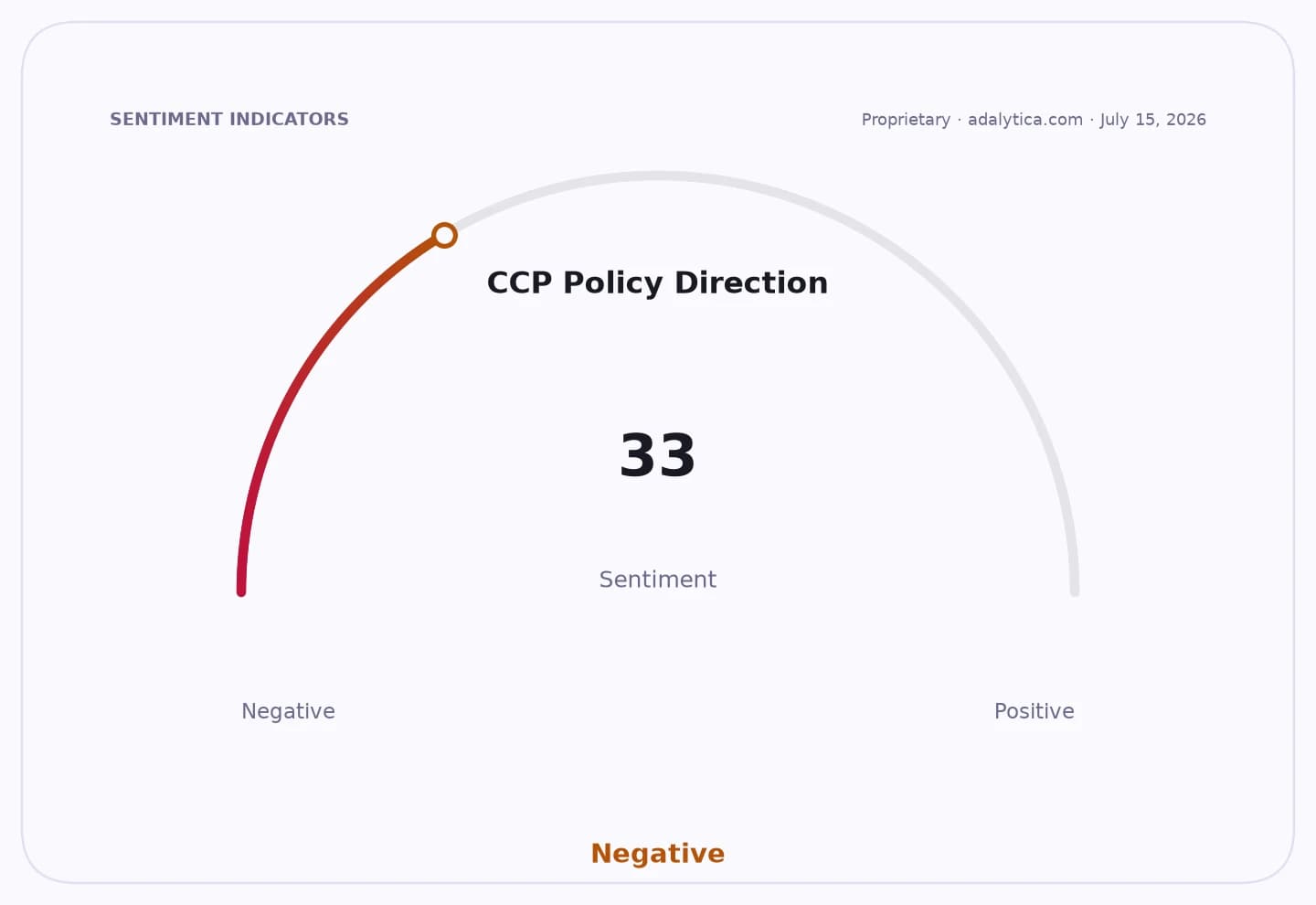
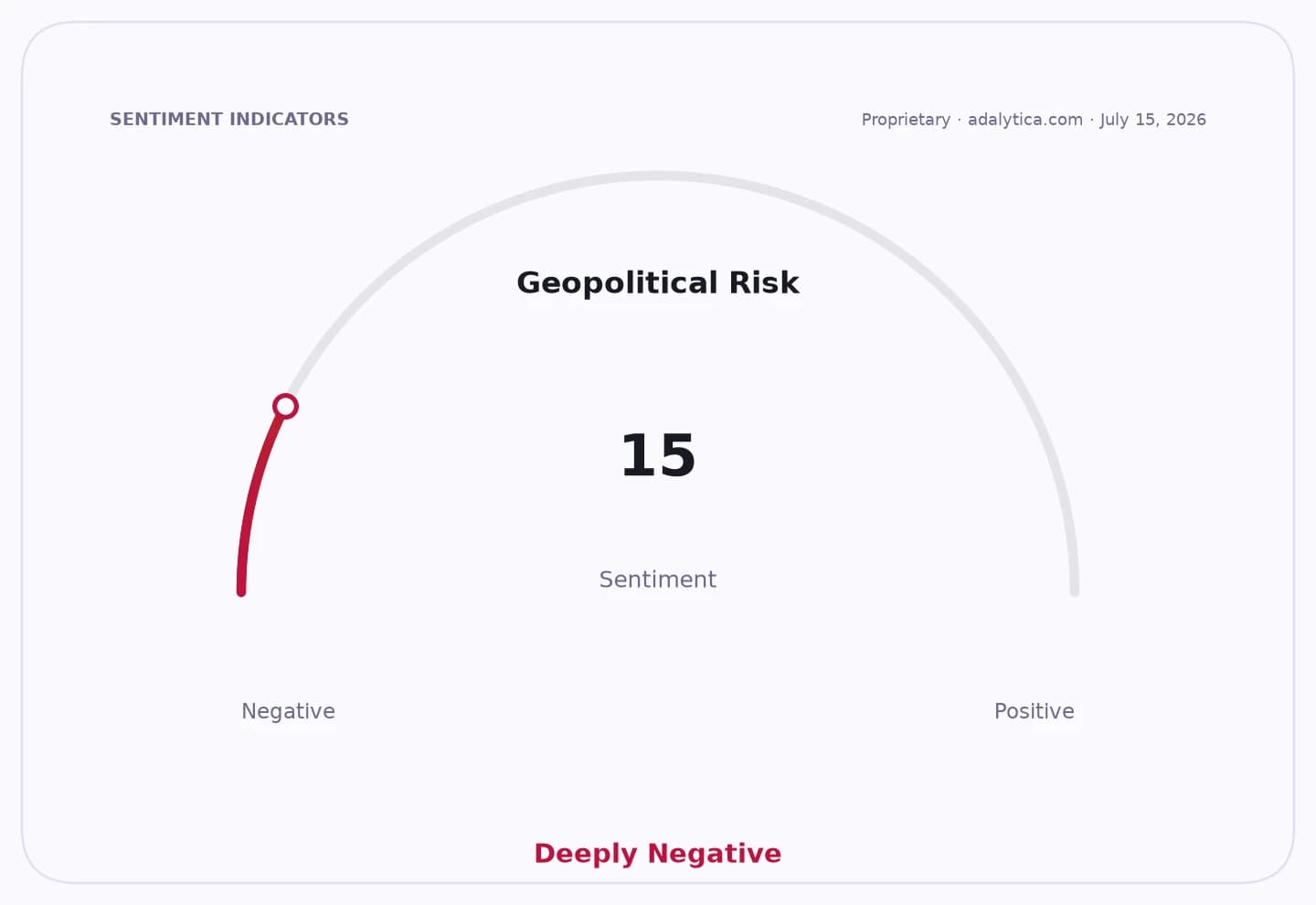
Sentiment IndicatorsⓘProprietary · adalytica.com · September 21, 2026
This is a snapshot — live sentiment, awareness and momentum for 130+ markets update continuously in the dashboard.Open AlphaPulse
That tension is why the story matters economically. Indonesia’s finance ministry approved $450 million for the carrier program in 2025, but lawmakers say the bill could be materially higher. TB Hasanuddin, a member of parliament’s defense commission, said retrofit costs alone could reach 16 trillion rupiah, or about $900 million. For a government juggling fiscal constraints and competing spending priorities, a project of that size is not just a defense procurement — it is a test of budget discipline and execution.
The strategic case is straightforward. The navy says the ship will be used primarily for non-war operations such as humanitarian assistance and disaster response, while still supporting maritime patrols and regional diplomacy. That framing fits Indonesia’s archipelagic geography and the broader competition for influence in the Indo-Pacific, where sea control, disaster relief and presence operations are increasingly intertwined. It also helps explain why the ship has drawn outsized media attention in China and the U.S.: both see a larger shift in Jakarta’s military posture under Prabowo, who has signaled broader modernization through submarines, frigates, fighter jets and missiles.
For investors, the immediate impact is less about the carrier itself than about what it implies for Indonesian public finances, defense suppliers and regional risk perceptions. If the project stays near the approved $450 million, it is a manageable one-off. If retrofit and operating costs climb toward the higher estimates being discussed in parliament, the program could crowd out other spending or widen fiscal concerns. That matters for sovereign risk, currency sentiment and the government’s appetite for future imports of high-ticket military equipment.
The market read-through extends to U.S. defense contractors as well, even if this particular ship is an Italian hand-me-down. A sustained Indonesian rearmament cycle would favor suppliers of aircraft, sensors, missiles, patrol platforms and maintenance services, including companies such as Lockheed Martin, Northrop Grumman and RTX that already have exposure to broader global security spending. Their shares have reflected that theme unevenly this month, with recent volatility showing that investors remain selective about which defense names can convert geopolitics into earnings.
The other side of the trade is fiscal caution. Critics in Jakarta argue the carrier could become an expensive prestige asset at a time of domestic budget pressure. That risk is real: older carriers can require significant maintenance, specialized training and long lead times before they generate meaningful operational value. If costs escalate, the project could become a political liability and a warning sign for other emerging-market militaries considering similarly ambitious purchases.
For now, Indonesia has secured the optics of a carrier-capable navy. What comes next is whether it can fund the ship’s refurbishment, crew it, and keep the program from turning into a symbol of strategic ambition outrunning fiscal capacity.
| Entity | Gains | Losses |
|---|---|---|
| Indonesia navy | ▲Carrier capability | ▼Budget flexibility |
| Prabowo administration | ▲Defense prestige | ▼Fiscal critics |
| Defense contractors | ▲Future procurement demand | ▼If spending is delayed |
| Taxpayers/opposition | ▲— | ▼Higher retrofit burden |