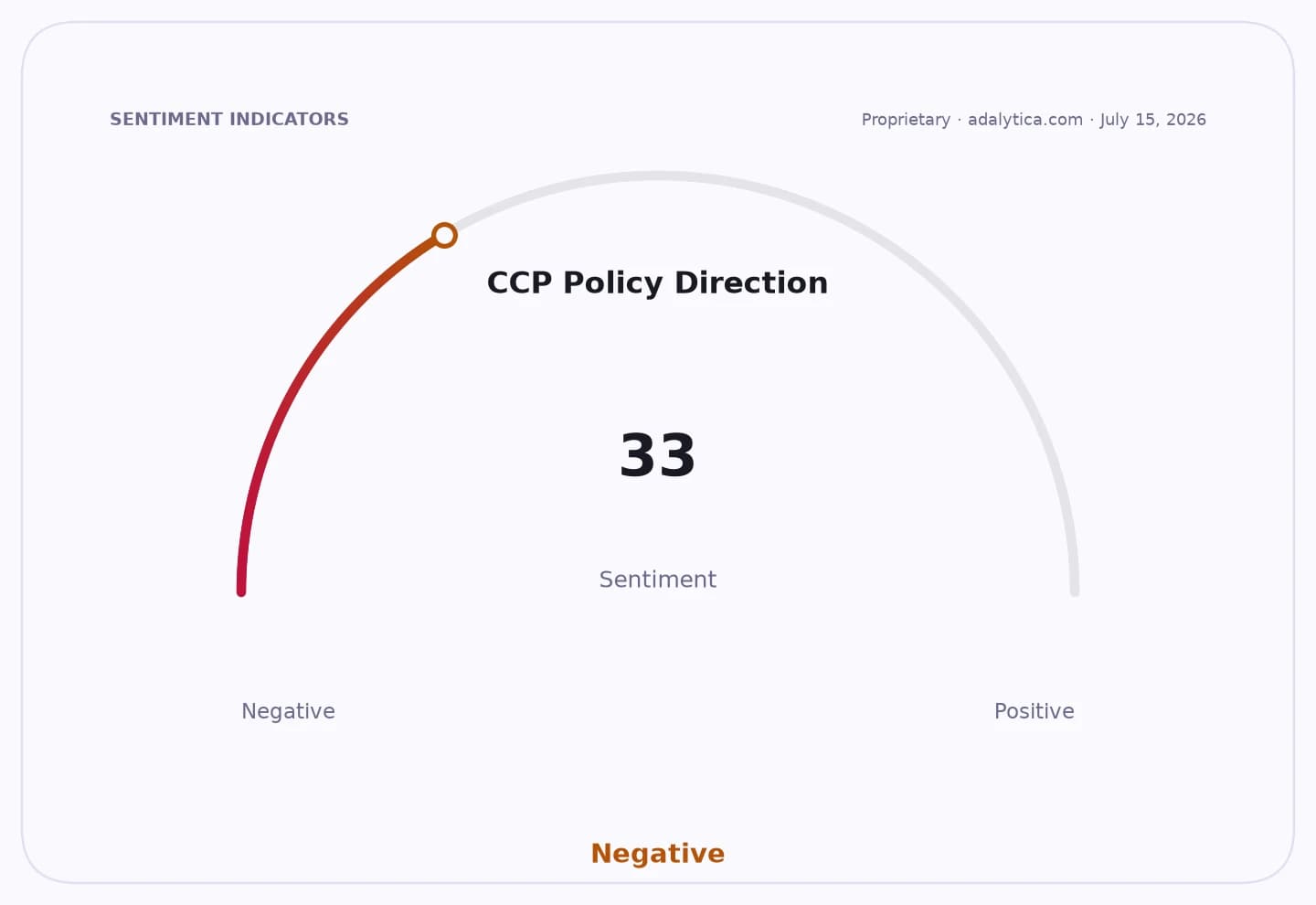
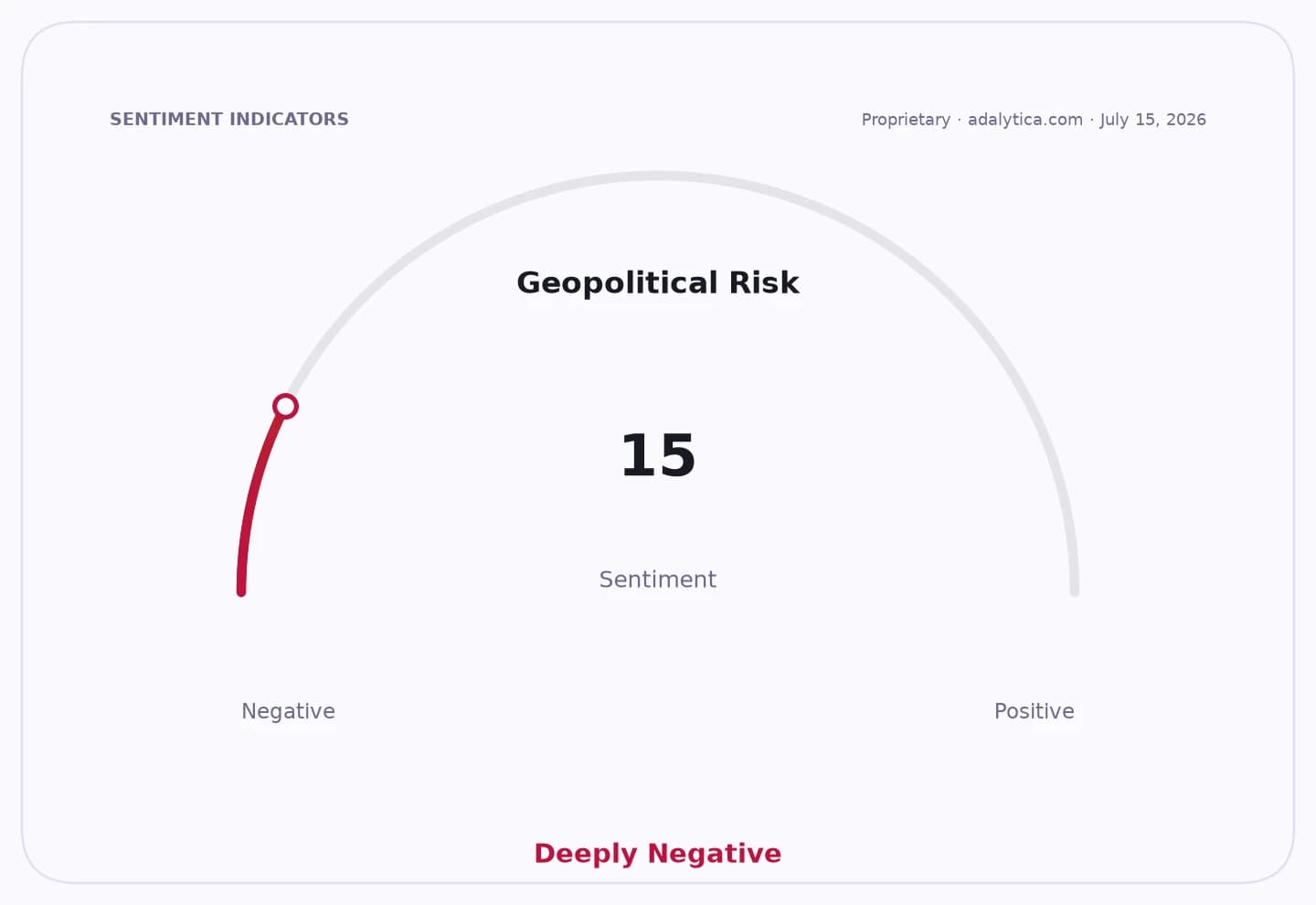
India needs to reduce its exposure to a handful of vulnerable shipping lanes as renewed tensions in West Asia expose how quickly disruptions can cascade into higher import costs, tighter fuel markets and broader inflation pressure.
India Urged to Reduce Oil Import Chokepoint Risk

The warning comes as experts press New Delhi to widen crude and gas sourcing, expand strategic reserves and upgrade port infrastructure, with the Strait of Hormuz, the Red Sea and Bab el-Mandeb all under scrutiny as pressure points for a country that imports the bulk of its energy needs. For the world’s third-largest oil consumer, the issue is not just physical access to cargoes but resilience: even short-lived disruptions can lift freight costs, delay deliveries and force refiners to pay up for alternative grades.
Sentiment IndicatorsⓘProprietary · adalytica.com · September 22, 2026
This is a snapshot — live sentiment, awareness and momentum for 130+ markets update continuously in the dashboard.Open AlphaPulse
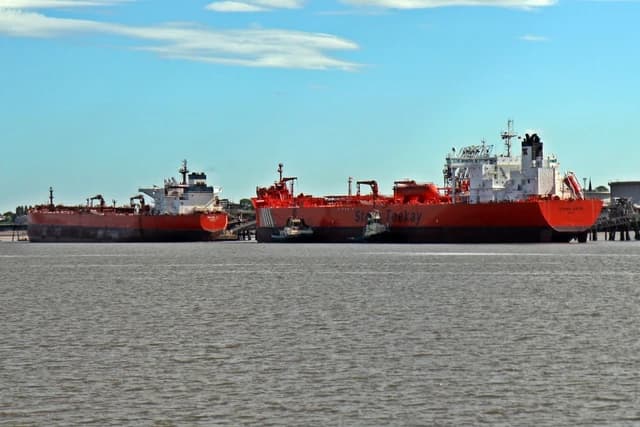
That matters because India’s economy remains highly sensitive to imported energy. Crude is a major input for transport, manufacturing and chemicals, so any sustained rise in oil prices filters quickly through the current account, wholesale prices and consumer inflation. It also complicates the Reserve Bank of India’s policy calculus at a time when officials are trying to balance growth support against price stability. The broader geopolitical risk premium in oil has already been reinforced by repeated disruption fears in the Middle East, while global diesel markets have also remained tight.
Market signals underline the fragility. U.S. crude benchmark WTI has climbed sharply in recent months, with the United States Oil Fund, USO, rising to around $148 on Sept. 21 after trading near $120 in late July, reflecting how quickly traders reprice supply risk. Brent-linked exposure, tracked by the BNO fund, has also remained elevated, while Adalytica’s oil trade signals show neutral sentiment but a sharp one-day and seven-day jump in activity, suggesting markets are still highly reactive to geopolitical headlines rather than settled on a lower-risk regime.
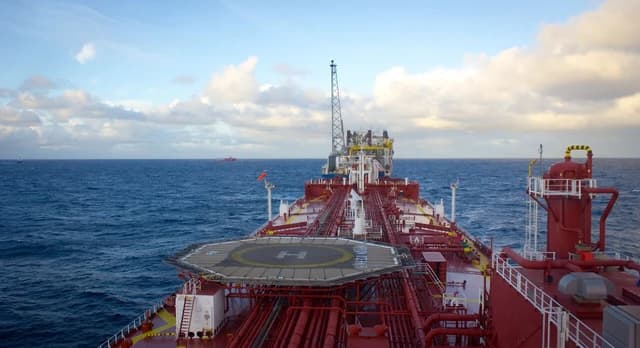
For Indian refiners and shipping firms, the economic logic is straightforward: more import routes and more suppliers reduce the risk of a single choke point turning into a domestic fuel shock. Expanding strategic reserves can buy time in a crisis, while better ports and storage can improve flexibility in routing cargoes from the Americas, Africa or elsewhere. The downside is cost — diversification usually means paying more for logistics and inventory, and not all substitute grades are easily interchangeable with India’s existing refining slate.
The bull case for India’s current setup is that the country has more bargaining power than smaller importers because of its scale and ability to shop globally for discounted barrels. The bear case is that scale does not eliminate vulnerability when so much energy still moves through contested sea lanes. With West Asia tensions unresolved and global energy markets still prone to sudden spikes, the policy choice is increasingly about whether India wants to pay for resilience now or risk paying much more later in the form of higher import bills and inflation shocks.
| Entity | Gains | Losses |
|---|---|---|
| Indian refiners | ▲Better resilience | ▼Higher logistics costs |
| Oil exporters outside West Asia | ▲More demand for alternative supply | ▼Lose some market share |
| Shipping and port operators | ▲More route diversification | ▼Higher compliance and storage costs |
| Indian consumers | ▲Lower risk of shortages | ▼Still exposed to higher fuel prices |