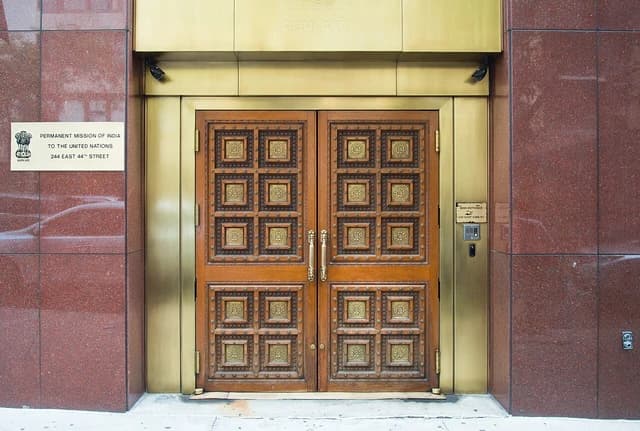
India’s foreign policy will come under a sharper global spotlight this week as External Affairs Minister S. Jaishankar leads New Delhi’s delegation to the 81st UN General Assembly and delivers the national statement on 26 September.
India’s Jaishankar to Address UN General Assembly
That matters because the annual UN debate is not just diplomatic theatre: it is one of the few moments when governments set out their positions on war, climate, trade, development financing and multilateral reform in the same room. For India, the appearance comes as it tries to present itself as both a rising power and a defender of a more representative global order, while managing a difficult regional backdrop and an increasingly fragmented world economy.
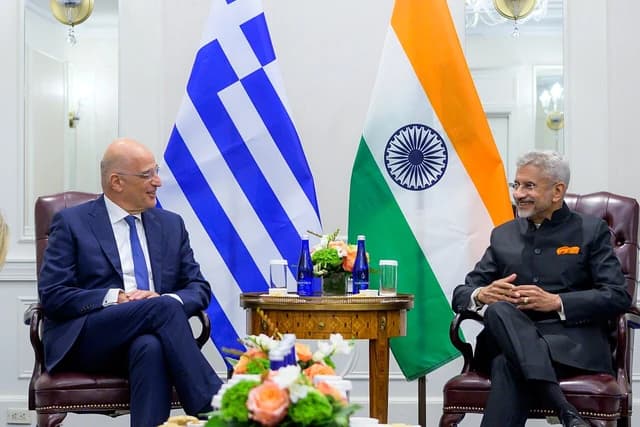
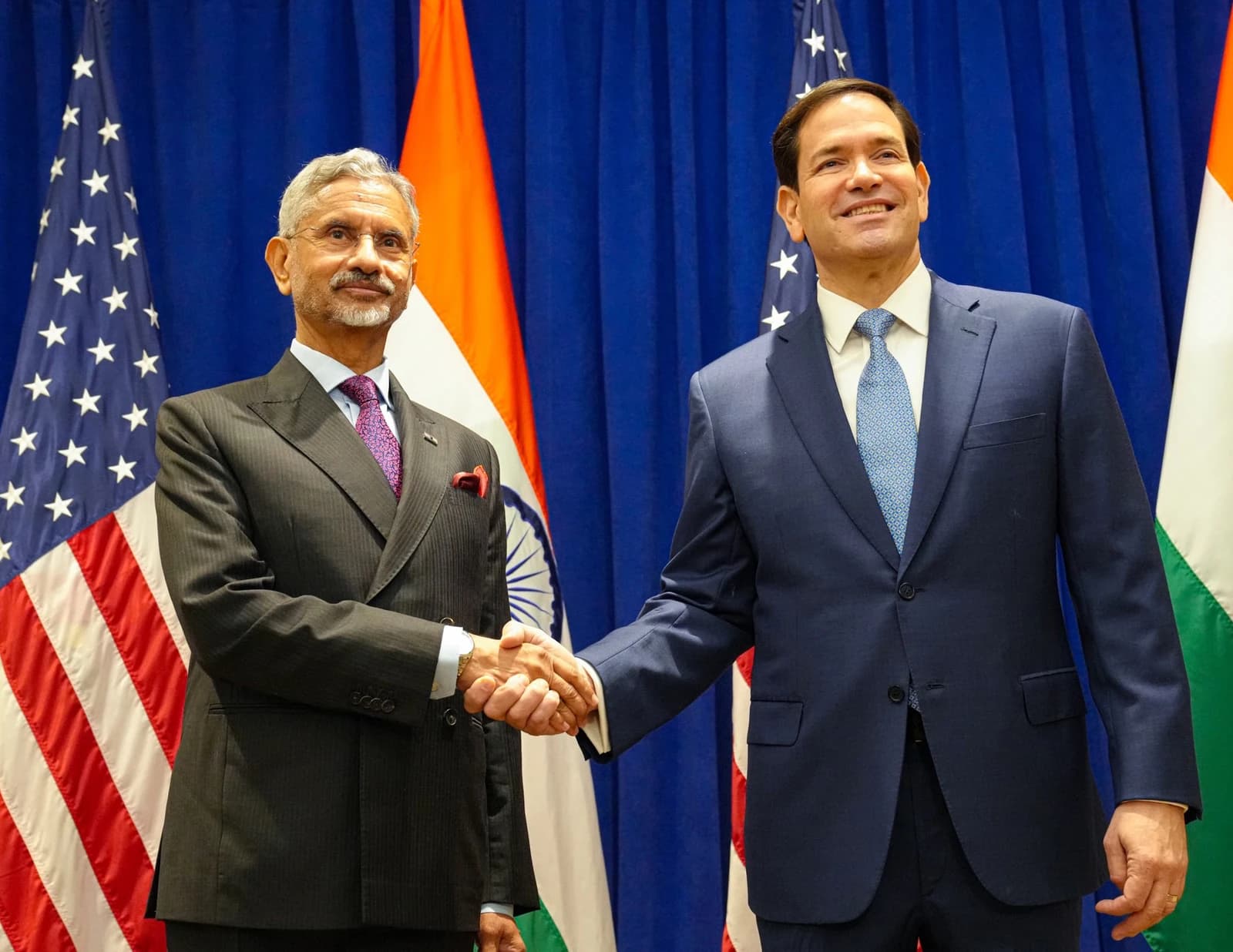
Jaishankar will also use the New York trip for bilateral and plurilateral meetings, giving India a chance to press its priorities with counterparties at a time when geopolitics, supply chains and energy security remain tightly linked. The messaging will matter for investors as much as diplomats. India has sought to attract manufacturing, technology and infrastructure capital by positioning itself as a stable alternative in an era of strategic decoupling, but that narrative depends on how convincingly it can navigate tensions around trade, climate obligations and security.
The timing also carries regional significance. Leaders from Bangladesh and Pakistan are scheduled to address the assembly earlier in the week, putting South Asia’s political fault lines on display before India’s intervention. In that setting, Jaishankar’s remarks will be watched for signals on neighbourhood policy, cross-border security and India’s stance on the wider contest over influence in Asia.
This year’s General Debate is framed around “Restoring trust, managing transformation: A UN that delivers for all,” a theme that reflects the strain on multilateral institutions at a time of war, sea-level rise, pandemic preparedness concerns and growing pressure for development reform. For India, that backdrop reinforces the case it has long made: that global governance has to better reflect emerging economies if it is to remain credible.
Prime Minister Narendra Modi skipping the session for a second straight year leaves Jaishankar as the central public face of India’s UN strategy. That is unlikely to change the substance of India’s position, but it does place greater weight on the minister’s words. Markets and policymakers will be looking less for rhetoric than for clues on whether New Delhi intends to lean harder into strategic autonomy, deepen its engagement with the West, or keep balancing multiple blocs as global fragmentation intensifies.
For investors, the significance is indirect but real. A more assertive Indian voice at the UN can support the country’s long-term case as a destination for capital, trade and manufacturing diversification. But any widening of geopolitical tensions, especially in South Asia or around global supply chains, would work against that story. The immediate focus now is whether Jaishankar uses the platform to reinforce India’s image as a dependable economic and diplomatic partner at a moment when trust in global institutions remains fragile.
| Entity | Gains | Losses |
|---|---|---|
| India | ▲Global profile, policy leverage | ▼Exposure to diplomatic scrutiny |
| Jaishankar | ▲Visibility as key envoy | ▼Higher expectations on messaging |
| UN multilateral agenda | ▲Momentum from major powers’ participation | ▼Credibility if rhetoric outweighs results |
| Regional rivals and counterparts | ▲Chance to signal positions | ▼Less room to shape India’s narrative |