Gold and silver’s sharp drop to a one-year low has turned the recent rush into Indian gold and silver ETFs from a simple convenience trade into a much bigger macro bet on lower entry prices and rising demand.
India gold and silver ETF inflows rise after drop
That matters because the selloff has created exactly the kind of price dislocation that pulls in retail money: gold fell Rs. 2,780 in a day and silver Rs. 5,000, while spot prices have slid to levels that are now far easier for households and small investors to absorb through exchange-traded funds. In India, that means investors can buy tiny ETF units for roughly Rs. 12 in gold and Rs. 15 in silver, not because the metals are cheap in absolute terms, but because the units represent a fraction of a gram. The appeal is simple: no making charges, no GST on jewelry premiums, no locker costs, and immediate liquidity through a demat account.
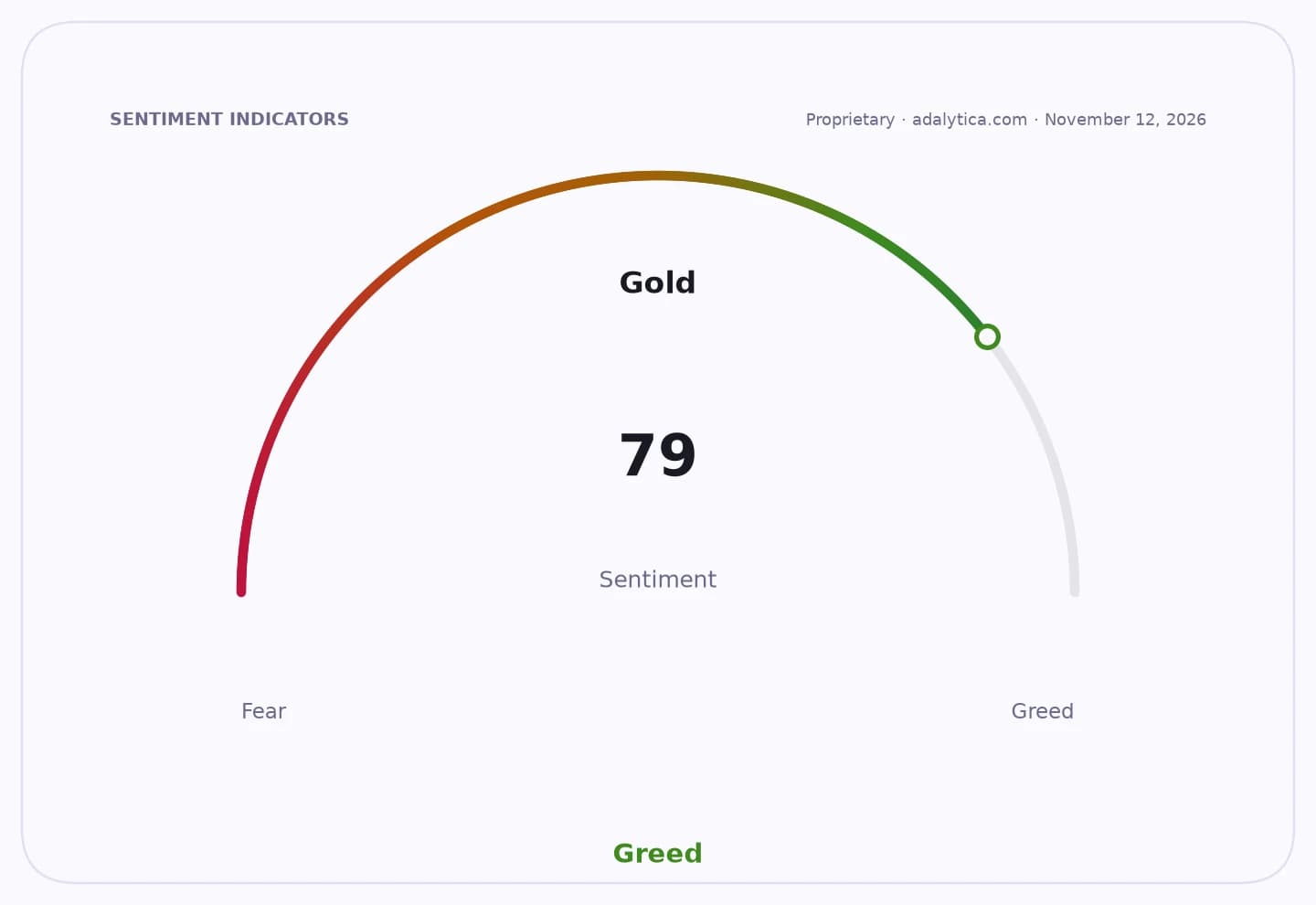
Sentiment Indicators
The deeper story is that India’s retail investor has learned to treat precious metals less like ornaments and more like a financial asset. That shift is visible in the numbers. Gold ETFs in India have crossed Rs. 1.86 lakh crore in assets under management, while silver ETFs have reached Rs. 81,636 crore. Net inflows into the two categories hit a record Rs. 88.505 crore over the past year, a sign that investors were adding on weakness rather than panicking out of positions.
For markets, that is important for two reasons. First, it suggests the current decline could invite fresh systematic buying from Indian savers, especially as wedding-season demand picks up and households look to lock in lower prices. Second, it reinforces the role of ETFs as the main channel for new precious-metals allocation, which matters for liquidity, fund flows and the broader domestic investment cycle. The market is underestimating how quickly retail money can scale when a headline price collapse meets a simple, low-friction product.
The strategic takeaway is straightforward: this is no longer just a story about “cheap” gold or silver. It is a story about access, behavioral change and the financialization of household savings in India. If prices stabilize, ETF inflows could stay strong. If they keep falling, the dip-buying culture may intensify further. Either way, the best positioned beneficiaries are the ETF houses, bullion-linked products and jewelry demand, while short-term sellers and late buyers of physical metal bear the pain.
| Entity | Gains | Losses |
|---|---|---|
| Gold ETF issuers | ▲Higher inflows | ▼Lower margins if flows stall |
| Silver ETF issuers | ▲Retail demand surge | ▼Tracking pressure if volatility rises |
| Indian retail investors | ▲Lower entry prices | ▼Buyers of physical metal at peak prices |
| Jewelry sellers | ▲Wedding-season demand | ▼Short-term inventory mark-to-market losses |