India will require household LPG users to complete biometric Aadhaar authentication before booking subsidized refills from Oct. 1, in a move aimed at curbing diversion of cooking gas to commercial and industrial use and tightening the delivery of fuel subsidies.
India requires Aadhaar verification for subsidized LPG
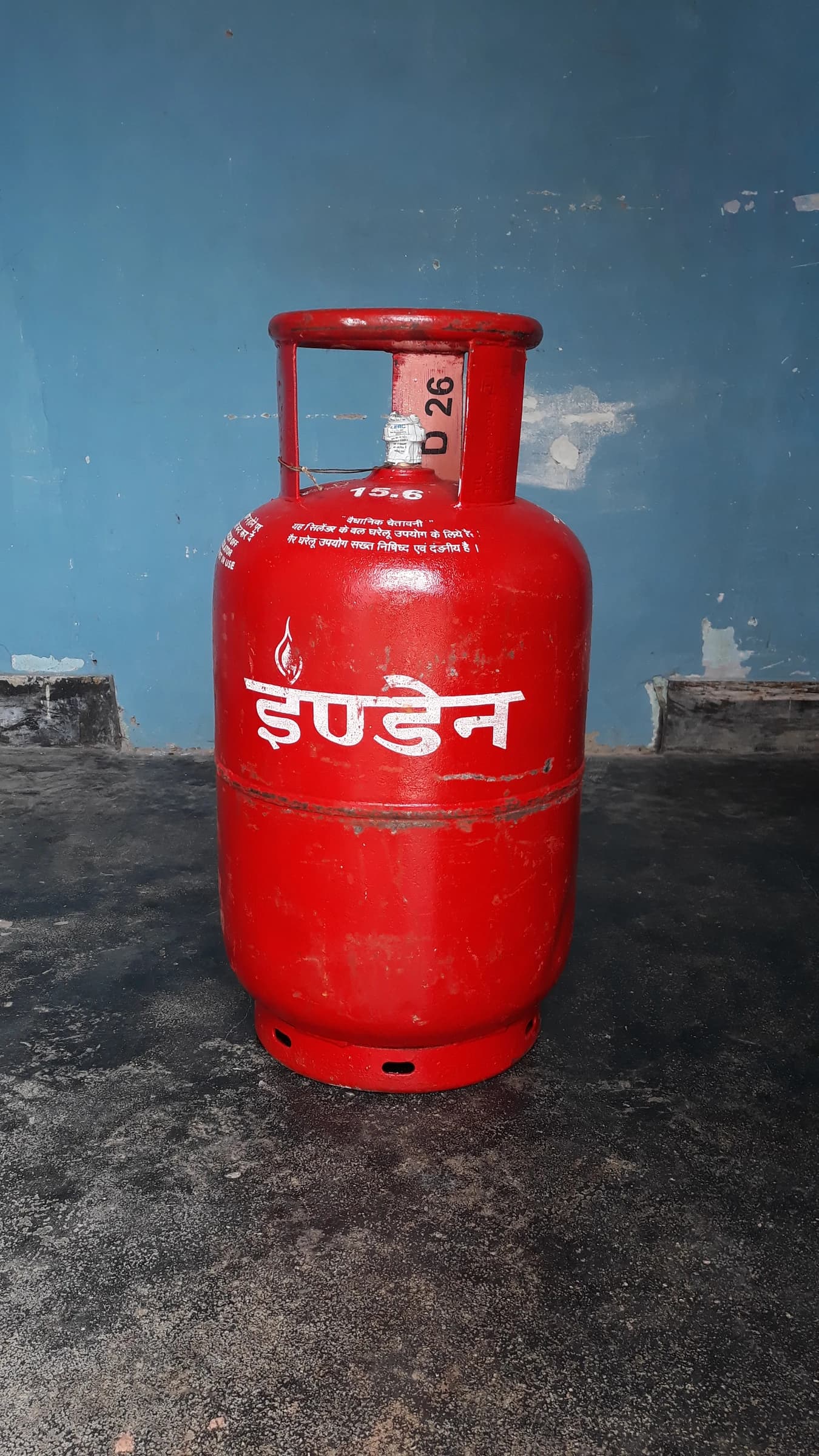
The rule change matters because LPG is a staple for millions of Indian households and a major government support program. By linking every subsidized connection to a verified Aadhaar identity, New Delhi is trying to block fake or duplicate accounts, reduce leakage in the subsidy system and make sure discounted cylinders go only to eligible families.
Sentiment IndicatorsⓘProprietary · adalytica.com · September 23, 2026
This is a snapshot — live sentiment, awareness and momentum for 130+ markets update continuously in the dashboard.Open AlphaPulse
The Petroleum Ministry said consumers who have already finished biometric Aadhaar authentication or eKYC do not need to repeat the process. Those who have not completed it will be able to do so through oil company mobile apps, at gas agency offices or even at the doorstep when a cylinder is delivered.
That flexibility is meant to limit disruption to household demand. The government said the change is not intended to deny LPG to genuine users, and that refill bookings will resume once verification is completed.
As of Sept. 19, 27.43 crore active household LPG users, or 89.9% of the total base, had already completed eKYC. That leaves a sizable minority still needing to authenticate, making the next few weeks critical for distributors and consumers alike.
For investors, the policy is more about compliance and distribution efficiency than demand destruction. It should support transparency in subsidized fuel sales, while reducing the risk of leakage that can distort margins and logistics for state-backed oil marketing companies.
The broader backdrop is a market under pressure from reported illegal refilling and concerns over supply tightness. Authorities have been cracking down on unauthorized LPG operations, while gas companies have sought to reassure consumers that supply will remain smooth as the new rules take effect.
The key risk now is execution: if authentication bottlenecks emerge, refill bookings could slow for unverified households even as the government tries to keep the system orderly. Any sign of disruption around Oct. 1 will be watched closely by consumers, distributors and state oil firms.
| Entity | Gains | Losses |
|---|---|---|
| Government | ▲tighter subsidy control | ▼higher enforcement burden |
| Genuine household users | ▲cleaner subsidy access | ▼one-time verification hassle |
| Oil marketing companies | ▲lower leakage risk | ▼more service load at rollout |
| Illegal refilling operators | ▲none | ▼crackdowns and closures |