Hygon IT’s chairman has proposed a share repurchase plan of as much as 800 million yuan, a move that could help steady investor sentiment around one of China’s homegrown chip names while signaling management confidence in the company’s longer-term cash generation.
Hygon IT chairman proposes 800 million yuan buyback
For investors, buybacks matter because they can reduce the share count, lift earnings per share and put a floor under the stock when sentiment turns skittish. In a market where domestic semiconductor names often trade on expectations as much as current profits, a large repurchase authorization can be read as a statement that management sees the stock as undervalued and the balance sheet as strong enough to return capital.
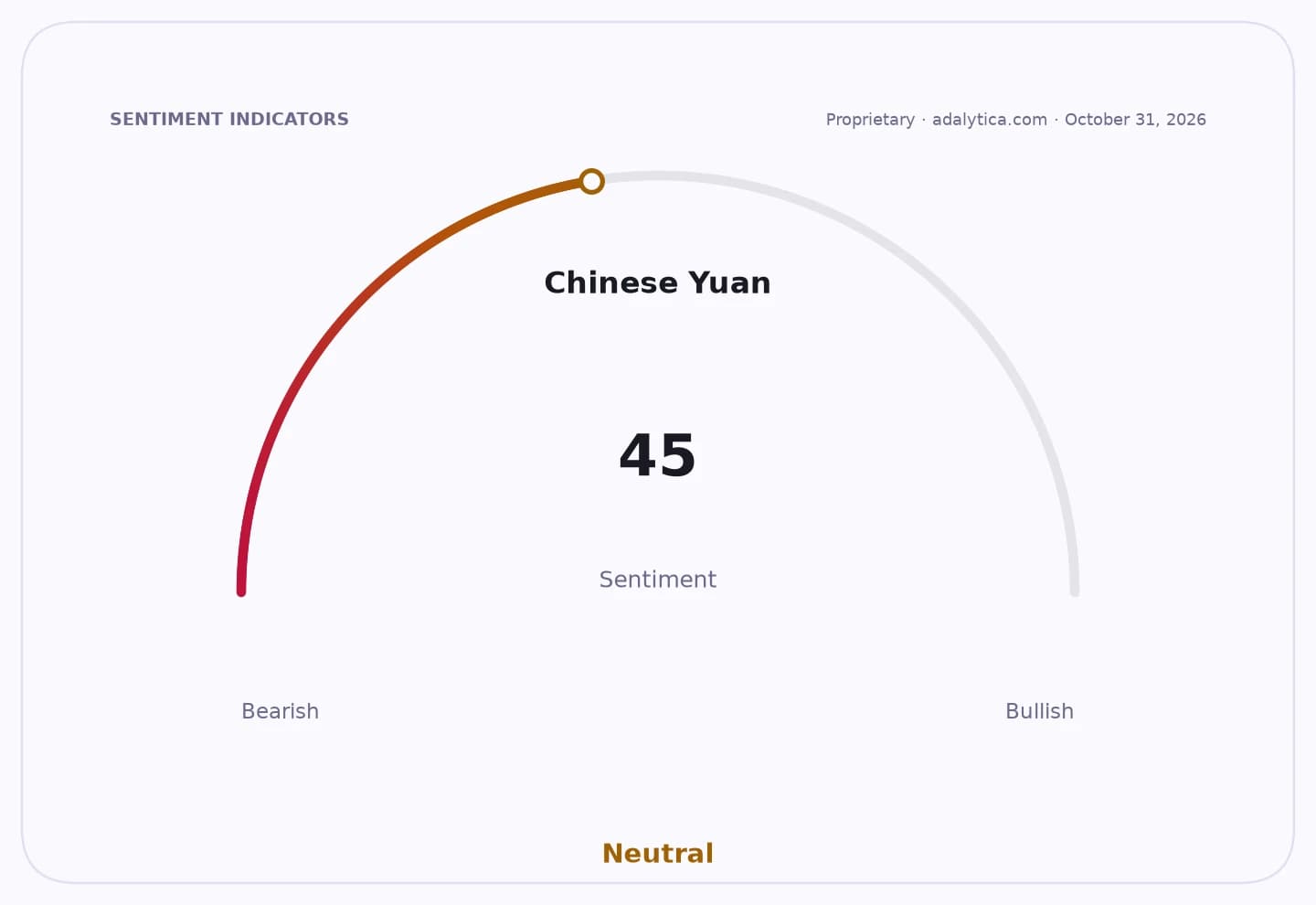
Sentiment Indicators
The proposal also fits a broader pattern across global equity markets: companies are leaning on repurchases to reward shareholders even when growth visibility is uneven. That has been true in sectors ranging from autos to financials to chipmakers, where executives are using buybacks to signal discipline and confidence without committing to a permanent dividend hike.
For Hygon, the scale is notable. An 800 million yuan ceiling is large enough to make a real difference to per-share metrics if executed over time, though the ultimate impact will depend on how aggressively the company buys and at what valuation. The market will also want to know whether the plan is funded from operating cash flow, excess liquidity or other sources, because that determines how durable the support really is.
The timing matters as well. Chinese technology investors remain sensitive to policy signals, domestic demand trends and the pace of the country’s push for self-sufficiency in strategic industries. In that environment, a buyback can serve as both a financial tool and a confidence message: management is not only protecting shareholders, but also backing the business at a moment when the sector’s long-term strategic role remains intact.
Still, buybacks are not a substitute for earnings growth. If Hygon wants the stock to compound over several years, investors will ultimately look for rising revenue, improving margins and a clearer path to free cash flow. The repurchase may help in the near term, but the long-term case will rest on whether the company can keep winning share in China’s semiconductor buildout.
For long-term investors, the key takeaway is simple: a buyback can be attractive, but it works best when it reinforces a business already built on real competitive advantages. Hygon’s proposal is worth watching as a sign of confidence, and potentially a shareholder-friendly step, but the stock’s lasting appeal will depend on execution.
| Entity | Gains | Losses |
|---|---|---|
| Hygon IT shareholders | ▲EPS support, price floor | ▼Fewer cash resources |
| Hygon IT management | ▲Confidence signal, shareholder goodwill | ▼Less flexibility on capital |
| Existing stock sellers/shorts | ▲— | ▼Buyback-driven demand |
| China chip sector | ▲Sentiment boost | ▼Skepticism if growth lags |