A Houthi missile targeting Riyadh has raised the odds that Yemen’s war spills into a broader energy shock, with Washington warning the fighting could “escalate rapidly” and traders already treating Middle East risk as a live premium again.
Houthi Missile Raises Yemen War Energy Risk
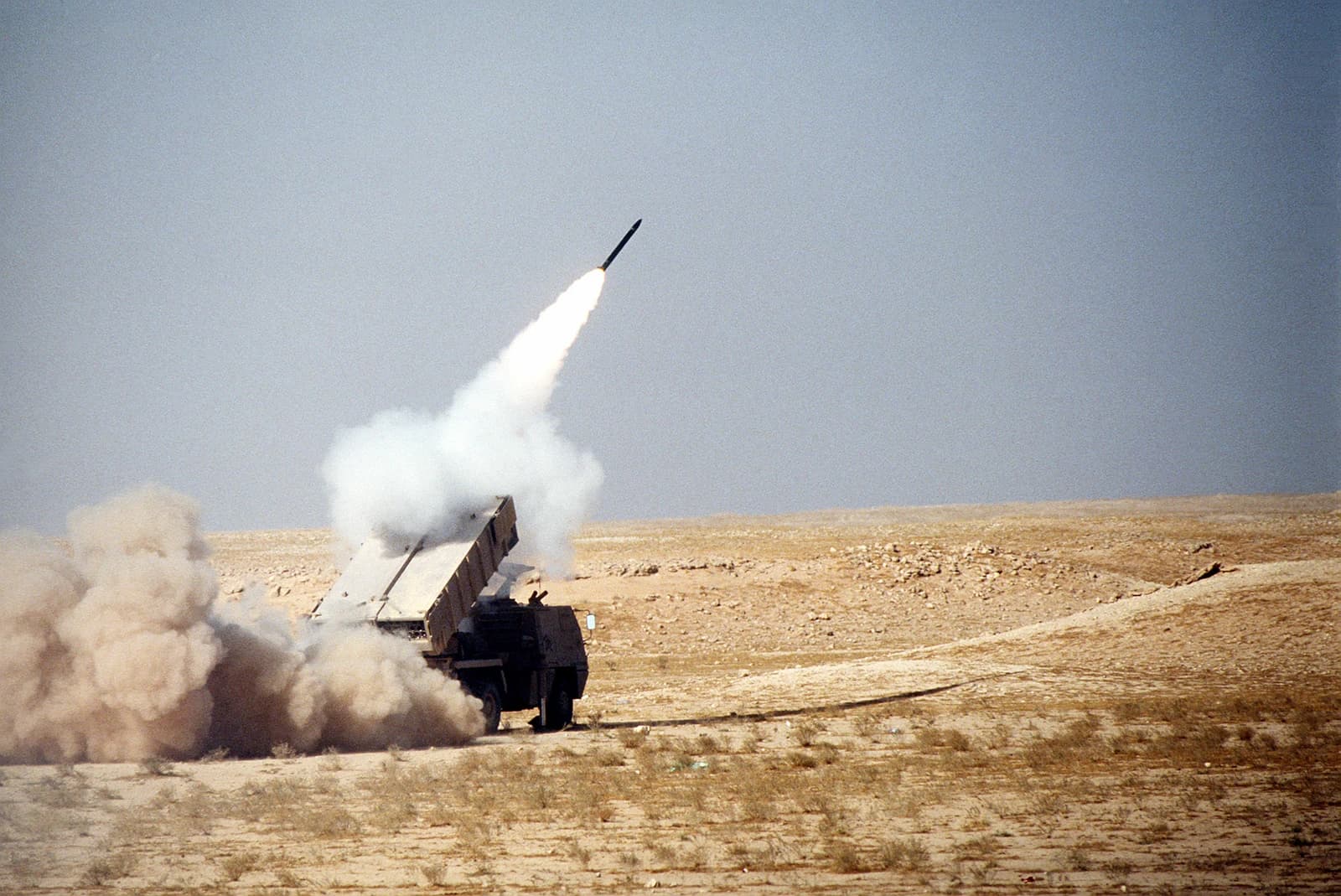
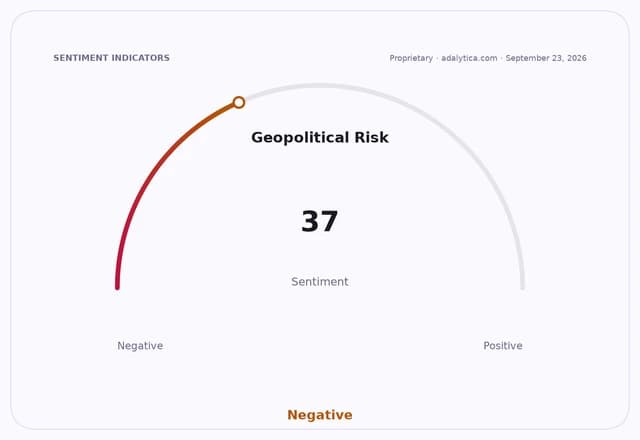
That matters because this is no longer just a regional security flare-up. The strike reached Saudi Arabia’s capital for the first time since the Yemen conflict reignited, and the Houthis also claimed attacks on Aramco facilities in Yanbu, a critical Red Sea export hub. When missiles can threaten Riyadh, Yanbu and the Bab al-Mandab corridor in the same breath, the market has to price not only headline risk, but the possibility of disrupted crude flows, higher freight costs and a longer-lasting geopolitical bid in energy.
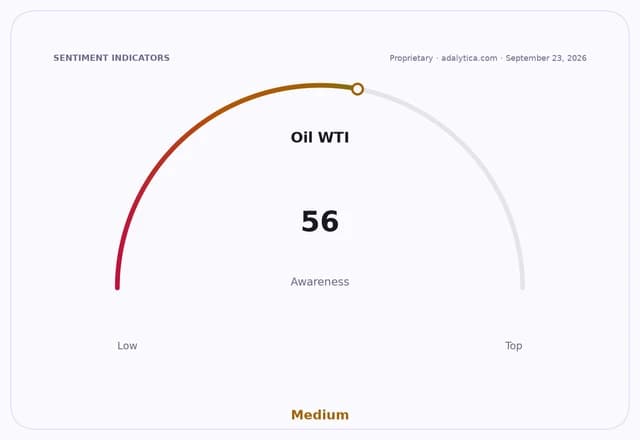
Sentiment IndicatorsⓘProprietary · adalytica.com · September 23, 2026
This is a snapshot — live sentiment, awareness and momentum for 130+ markets update continuously in the dashboard.Open AlphaPulse
The clearest read-through is to oil. USO, the crude ETF, has already moved sharply higher, while the Adalytica Oil WTI Trade Signals snapshot shows sentiment at 67 with awareness at 56, both in neutral territory but with one-day change up 8 points and a seven-day jump of 58. In other words, attention is still building, not peaking. That is exactly the kind of setup that can surprise investors who assume every Middle East flare-up fades quickly. Crude does not need an actual supply outage to reprice; it only needs a credible threat to the system that moves barrels from Gulf producers to the world.
The broader energy complex is confirming that message. XLE is trading well above its 50-day and 200-day moving averages, while OIH — the oil-services ETF — has been even more volatile, reflecting how quickly capital flows into the sector when geopolitical risk collides with supply concerns. The market is not just buying oil; it is bidding up the tools that help producers respond, drill, hedge and transport in a more dangerous environment.
That is the investment thesis the market still underestimates. If the Bab al-Mandab route becomes less secure, the impact reaches far beyond Saudi Arabia. Tanker insurance rises, Asian refiners pay up for substitute barrels, and any escalation around Hormuz or Red Sea shipping amplifies the squeeze. Even limited disruption can tighten balances in a market that remains highly sensitive to spare-capacity assumptions.
Washington’s response also matters. The US refusal, at least initially, to directly strike the Houthis suggests the confrontation may remain asymmetric, which often prolongs rather than resolves these episodes. At the same time, the approved $24.3 billion F-35 sale to Saudi Arabia underlines a second trade: defense spending rises when energy routes become strategic targets. That creates a two-pronged opportunity for investors — energy producers and defense names benefit when the Middle East risk premium widens.
The deeper narrative is simple: the market is still too comfortable with the idea that Gulf security can be managed cheaply. It cannot. Every missile aimed at Riyadh, every attack near Yanbu, and every warning around Bab al-Mandab raises the cost of moving oil and protecting it. For investors, that means staying positioned in energy and defense, not waiting for a perfect entry after the next headline shock.
| Entity | Gains | Losses |
|---|---|---|
| Oil producers | ▲Higher geopolitical premium | ▼Consumers facing higher fuel costs |
| Defense contractors | ▲More Gulf arms demand | ▼Diplomacy-first policymakers |
| USO/XLE/OIH holders | ▲Oil-risk upside | ▼Short energy positions |
| Global shippers/importers | ▲— | ▼Higher insurance and freight costs |