Families looking to finance a car should keep the monthly payment, alongside the mortgage, rent and other loans, below 40% of net income, according to finance expert Natalia de Santiago — a warning that lands at a time when household debt stress and lender caution are rising.
Households warned on car loan costs and debt stress
Her advice matters because the real burden of a car is no longer just the sticker price or the instalment on the showroom contract. Insurance, fuel, maintenance, parking, repairs and depreciation can push the true cost far above what buyers initially budget for, making a seemingly manageable monthly payment one of the more dangerous forms of consumer debt if it is not weighed against the rest of the household balance sheet.
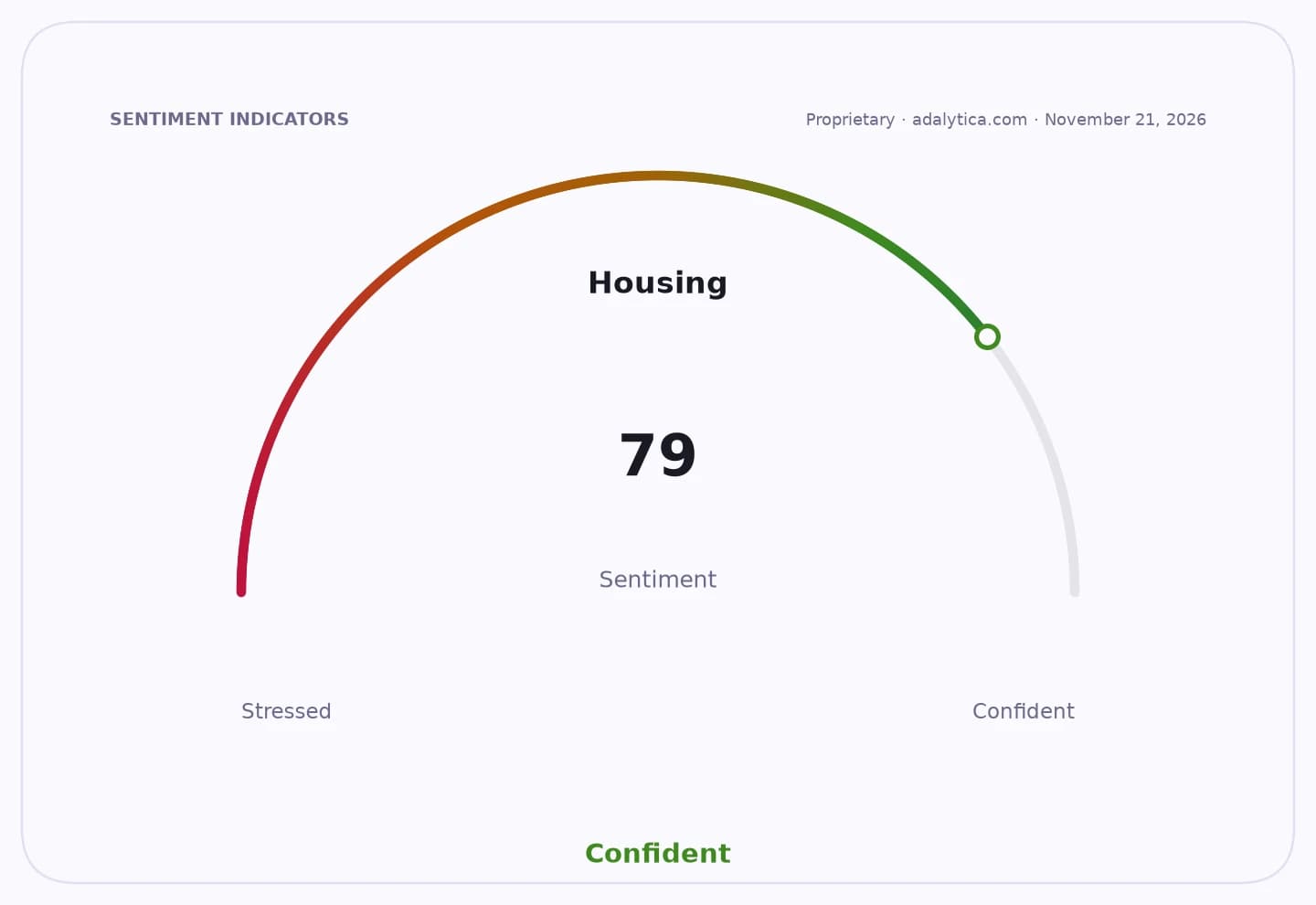
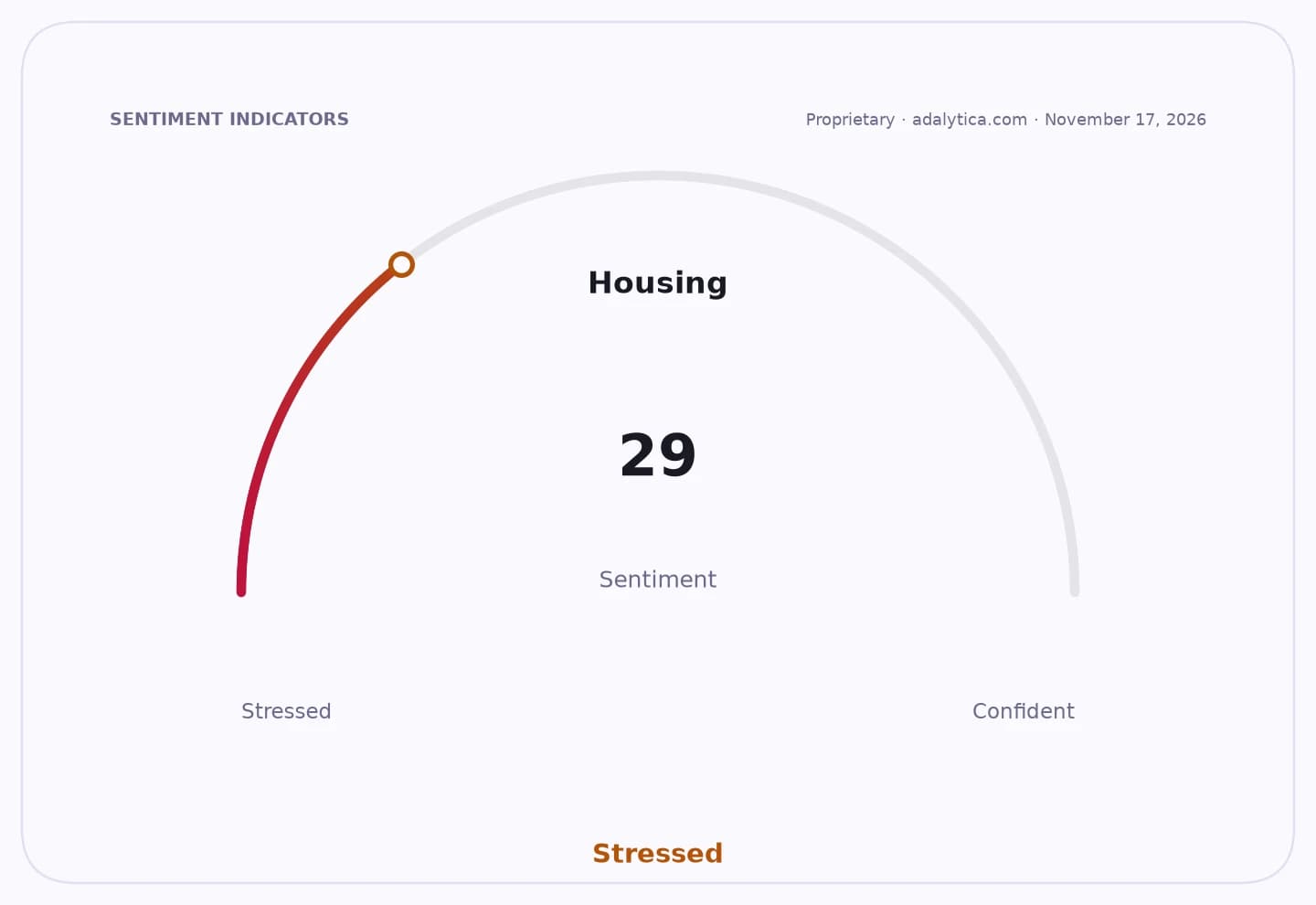
Sentiment Indicators
That warning fits a broader picture of tightening household finances. Bad debt at 28 listed banks has risen nearly 27% in the first nine months of the year, suggesting more borrowers are struggling to service existing obligations. Mortgage debt is at a decade high, and with housing costs already absorbing a large share of income, any new auto loan can quickly tip families into overextended territory.
De Santiago’s 10% rule for the car payment alone, and the five-year cap she recommends for financing, are designed to prevent borrowers from paying more in interest than the car is worth. That is especially relevant in a market where consumers often focus on the monthly installment while overlooking balloon payments, residual values and the speed at which new vehicles depreciate once they leave the dealership.
For investors, the message is less about personal budgeting than about credit quality and demand. If households are forced to choose between rent, mortgages and car loans, lenders with heavy exposure to auto finance, consumer credit and subprime borrowers may face higher delinquencies. The pressure also argues for more selective vehicle demand, with used and zero-kilometre cars likely to remain more attractive than new models on value grounds.
The financing backdrop is also changing the economics of mobility. De Santiago notes that some households may be better off with one car, not two, and with more use of public transport or electric vehicles where charging and parking incentives make the numbers work. That points to a market where affordability, not status, is increasingly shaping car purchases.
For buyers, the takeaway is simple: the monthly payment is not the full cost of ownership. For lenders, it is a reminder that stretched households can become a credit problem long before a payment is missed.
| Entity | Gains | Losses |
|---|---|---|
| Used car buyers | ▲Lower purchase prices | ▼Fewer new-car status perks |
| New-car dealers | ▲Faster turnover on demand for cheaper models | ▼Lower margins on new vehicles |
| Auto lenders | ▲Safer borrowers if standards tighten | ▼Higher delinquencies if households overborrow |
| Consumers with high housing costs | ▲Budget discipline | ▼Less room for car financing |